Workers’ Compensation Insurance for California Tree Care Businesses: Costs, Risks, and Coverage
See How We're Different
or call us: 866-226-4436
Workers’ Compensation Insurance for California Tree Care Businesses: Costs, Risks, and Coverage
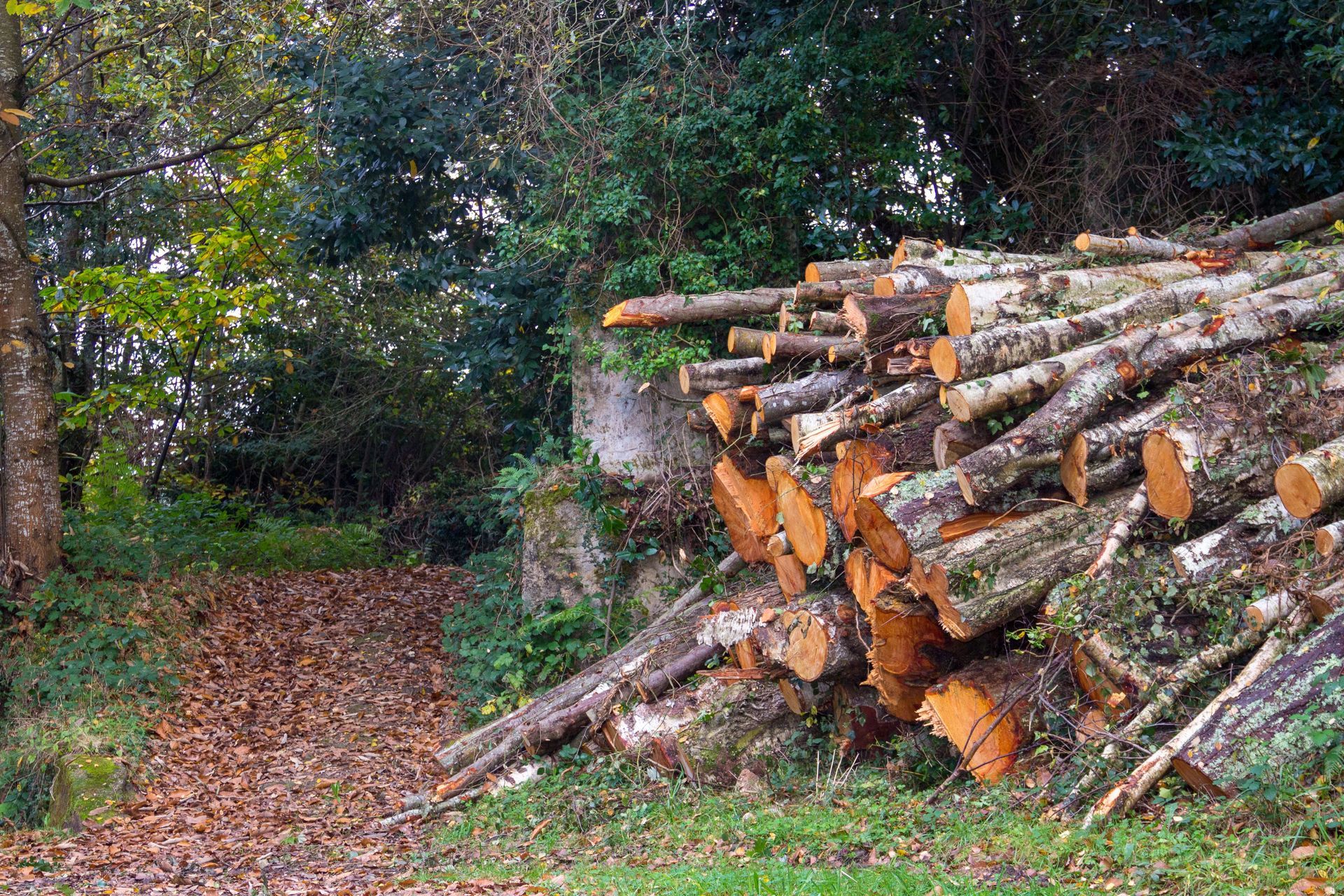
Tree care businesses in California operate in one of the most physically demanding industries. From pruning large branches and removing hazardous trees to operating chainsaws and climbing at significant heights, tree care professionals face numerous workplace hazards every day. Even experienced workers can suffer injuries caused by falling limbs, equipment malfunctions, unstable trees, or unexpected weather conditions. These risks make workers’ compensation insurance an essential consideration for tree service contractors, arborists, and landscaping companies that provide tree maintenance.
Workers’ compensation insurance helps protect employees who experience work-related injuries or illnesses while also helping employers manage the financial consequences of workplace accidents. For California tree care businesses, understanding insurance costs, coverage options, and industry-specific risks is particularly important because the nature of tree work can create substantial claims and liability exposures.
Why Workers’ Compensation Insurance Matters for Tree Care Companies
Tree care work involves more than cutting branches and maintaining landscapes. Employees may climb tall trees, use specialized lifting equipment, work near power lines, and handle heavy machinery in unpredictable environments. A single accident can result in serious injuries, extended recovery periods, or permanent disability.
Workers’ compensation insurance provides benefits to eligible employees who experience job-related injuries or illnesses. Depending on the circumstances, these benefits may include medical treatment, temporary disability payments, permanent disability benefits, and supplemental job displacement assistance when applicable.
For employers, appropriate coverage can reduce the direct financial burden associated with qualifying workplace injuries and help businesses meet California's legal requirements. In most cases, California employers must carry workers’ compensation insurance as soon as they have one or more employees, including businesses that operate with small crews.
Maintaining the required coverage also demonstrates a commitment to employee welfare. This can strengthen employee confidence, support recruitment, and help establish a professional reputation among residential customers, commercial property managers, and construction contractors.
How Much Does Workers’ Compensation Insurance Cost in California?
The cost of workers’ compensation insurance for a California tree care business depends on several factors, and there is no single rate that applies to every company. Tree service operations often face higher premiums than businesses with predominantly office-based employees because their workers encounter greater physical hazards.
One of the most important pricing factors is payroll. Insurers generally calculate premiums using the amount of employee payroll assigned to particular job classifications, together with the applicable rates and experience-related adjustments. A company with a large climbing crew and substantial annual payroll will typically have a different premium from a small operation with fewer employees.
Job classifications also influence pricing. Tree removal, climbing, pruning, and other hazardous activities may be evaluated differently from lower-risk landscaping or administrative duties. Businesses should ensure that employee duties are accurately described so the insurer can apply appropriate classifications.
A company's claims history can also affect its insurance costs. Frequent injuries, expensive claims, and a poor loss record may increase future premiums, while an established record of effective safety practices and favorable claims experience may help improve pricing opportunities.
Other considerations include the insurer's underwriting guidelines, the size and structure of the business, and applicable state rating rules. Because these variables differ between companies, tree care operators should obtain quotes based on their actual payroll, operations, and employee responsibilities rather than relying on a general industry estimate.
Common Workplace Risks in the Tree Care Industry
Falls are among the most serious hazards in tree care. Employees working in elevated positions may lose their footing, encounter unstable branches, or experience equipment failures. Such incidents can lead to fractures, head injuries, spinal trauma, and lengthy absences from work.
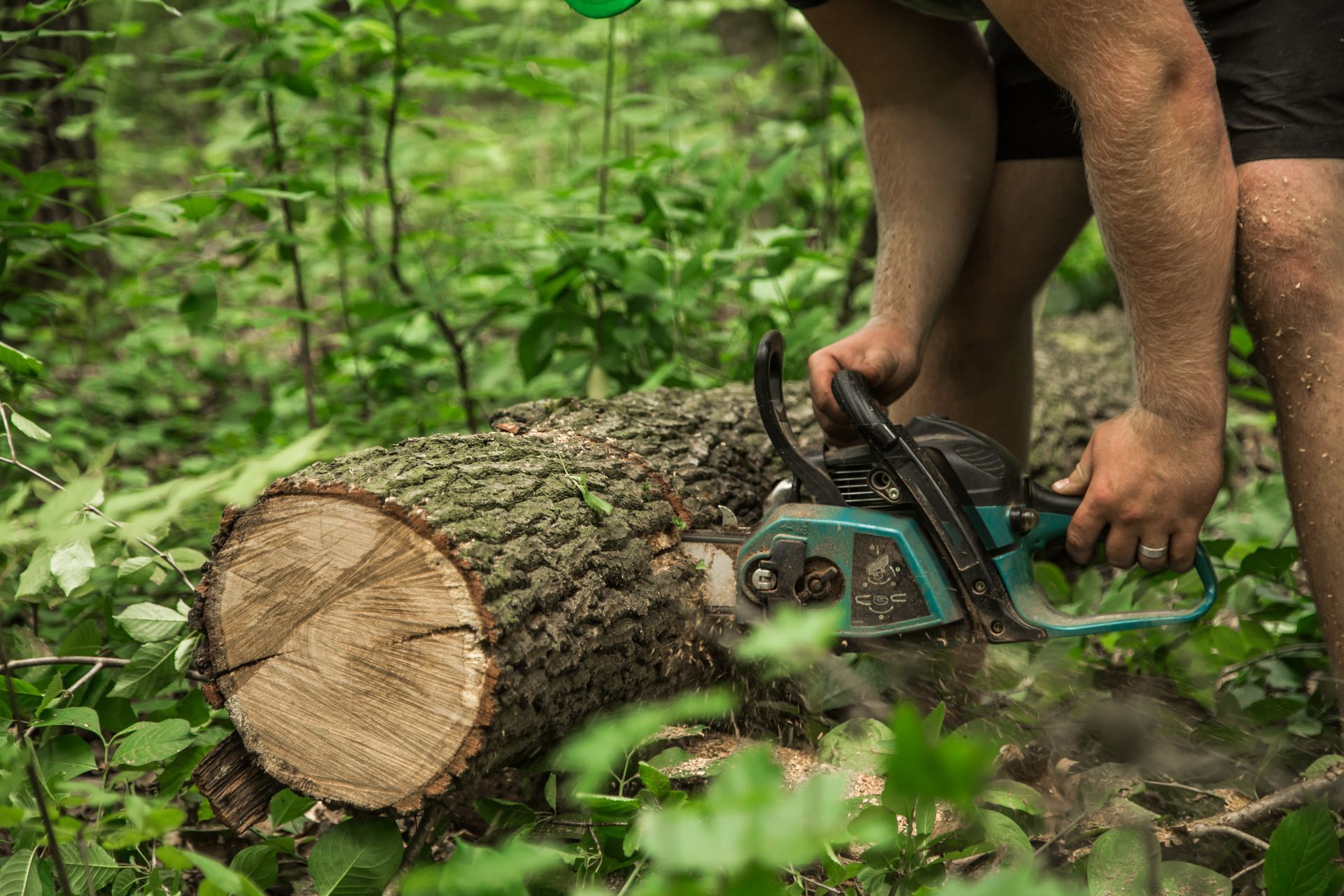
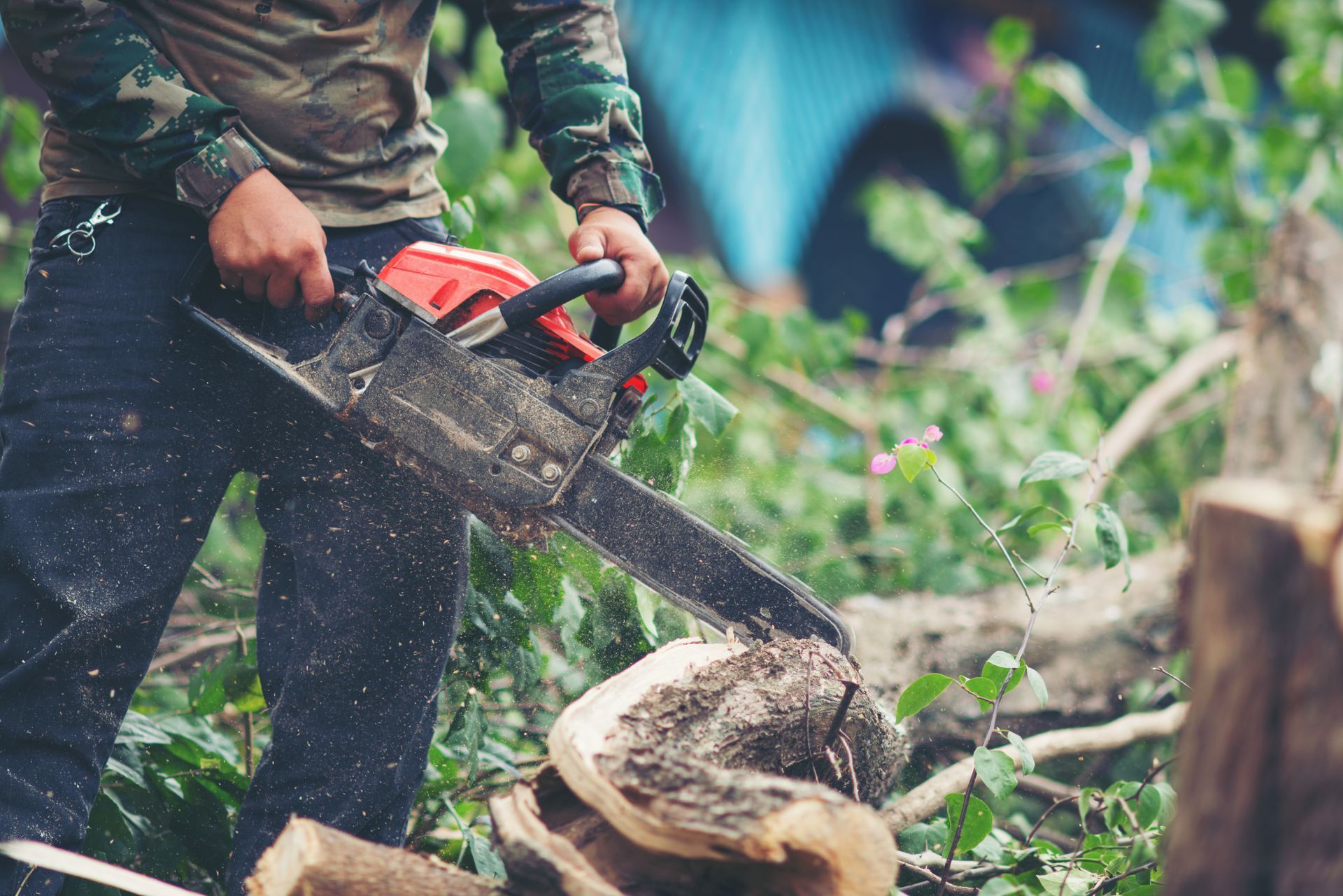
Chainsaws and other cutting equipment create additional risks. Improper handling, inadequate protective equipment, fatigue, or unexpected movement during cutting can cause severe lacerations. Ground workers also face dangers from falling branches, shifting logs, and equipment operating nearby.
Electrical hazards are another major concern, especially when tree crews work near overhead power lines. Contact with energized equipment can cause catastrophic injuries or fatalities. Businesses must evaluate these hazards carefully and ensure that work near electrical infrastructure is handled in accordance with applicable safety requirements.
Heat exposure is particularly important for California crews working outdoors during hot weather. Dehydration, heat exhaustion, and heatstroke can affect concentration and physical performance, increasing the likelihood of other accidents. Employers should also consider vehicle incidents, lifting injuries, repetitive strain, and injuries associated with moving heavy wood and equipment.
Recognizing these hazards allows businesses to develop more effective safety procedures and reduce the likelihood of preventable claims.
What Does Workers’ Compensation Insurance Cover?
Workers’ compensation generally helps pay for medical care related to covered workplace injuries or illnesses. For a tree care employee injured while performing assigned duties, this may include emergency treatment, physician visits, diagnostic testing, surgery, rehabilitation, and other medically necessary services under the applicable workers’ compensation rules.
If an employee cannot work temporarily because of a qualifying injury, temporary disability benefits may replace a portion of lost wages. When an injury results in lasting impairment, permanent disability benefits may also be available, depending on the medical findings and applicable law.
Eligible workers may receive death benefits when a work-related injury or illness results in death. California law may also provide supplemental job displacement benefits for qualifying employees who cannot return to their usual work and meet the applicable requirements.
It is important to understand that workers’ compensation is not the same as general liability insurance. Workers’ compensation primarily addresses eligible employee injuries and related statutory benefits, while general liability insurance typically addresses certain third-party bodily injury and property damage claims. Tree care companies may need both forms of protection to address different business exposures.

Recent News