Workers Comp Insurance for Photographers
Index
Understanding Workers Comp Insurance
Key Features of Workers Comp Insurance
Cost of Workers Comp Insurance for Photographers
How to Choose the Right Workers Comp Insurance
Claims Process for Workers Comp Insurance
Contact Us
Phone
886-226-4436
Location
9340 Bolsa Ave, Westminster, CA 92683

As a photographer, there are lots of things that you need to think about which can affect your business. Workers comp insurance is one factor that should not be forgotten. The ins and outs of workers' comp insurance, particularly for photographers are important to understand so that you make sure your business is safe and also that your employees are safe.
Understanding Workers Comp Insurance
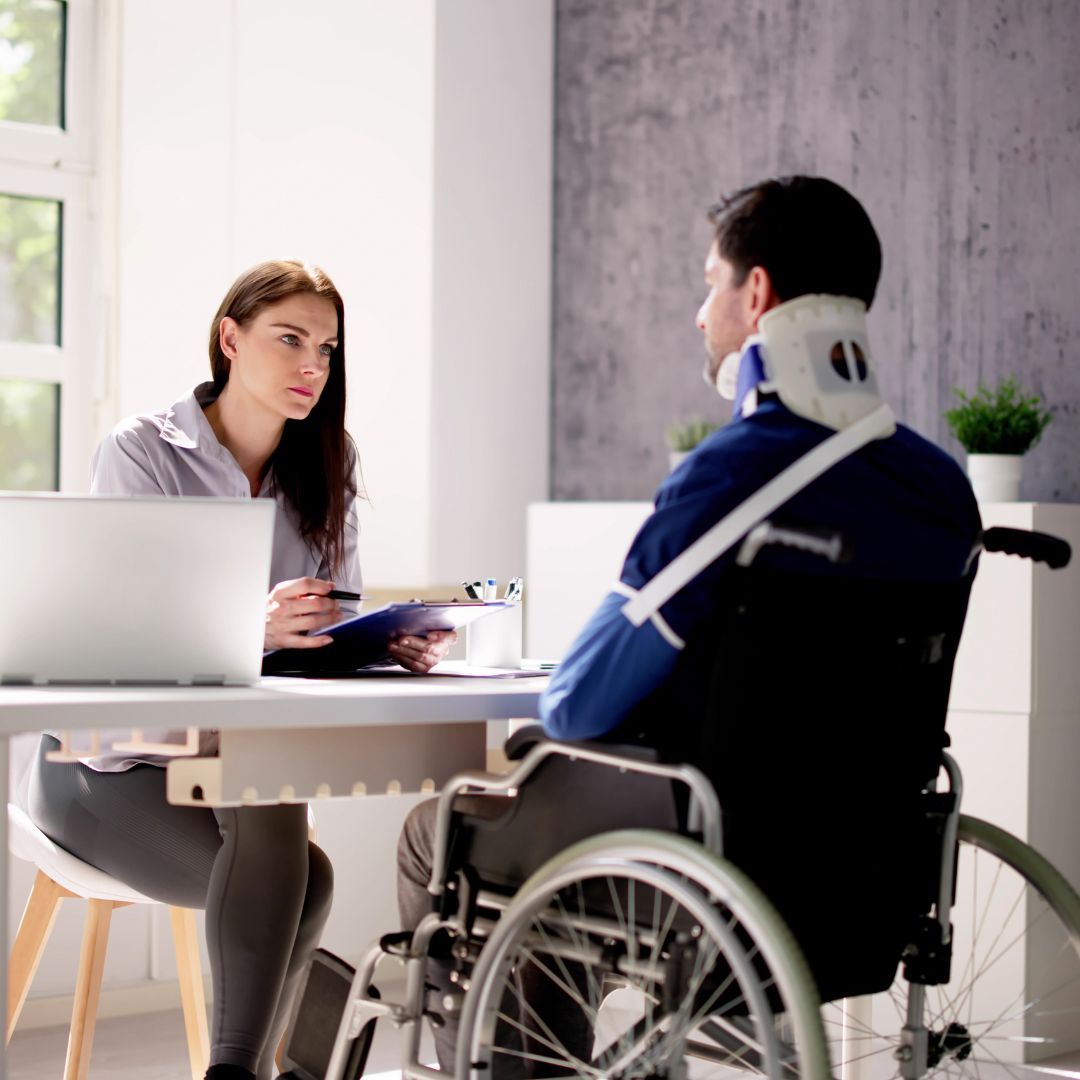
Workers’ compensation is an insurance coverage that offers medical and wage benefits to employees that are injured or become sick as a result of their duties for their employer. For photographers, this would mean that if one of your employees is injured while out on a photo shoot or sick because of something they were exposed to in your workplace, workers’ comp insurance will cover the financial support they need.
Basics of Workers Comp Insurance
Workers' compensation is a no-fault system, so yes an employee still receives benefits even if the injury or illness was the worker's fault or due to employer negligence. Such coverage will often encompass medical costs as well as disability payments, rehabilitation services and lost earnings.
With workers’ compensation insurance it is helpful to know the different aspects that make up your coverage. For-instance, medical bills are so diverse that they include expenses such as doctor visits, hospitalizations, operations, medicine and physical therapy. By carrying workers’ comp insurance, photographers can make sure that when an employee does require medical treatment, it can be provided without causing the photographer to pay large out-of-pocket costs.
Disability benefits are another key feature of workers' comp insurance. If an employee is unable to work because of a work-related injury or illness, disability benefits pay for part of their lost wages. This financial assistance can help ease the economic stress a bit, and allows the worker to concentrate on regaining their health, rather than worrying about not having money coming in.
Workers’ comp insurance also pays for rehabilitation services. Such services can include physical therapy, occupational therapy, and vocational rehabilitation tailored to meet the unique needs of the injured employee. Photographers can help their employees recover from injuries and back to work by giving them access to these services.
The loss of earnings is a major worry for employees who are off work following an accident or illness at work. (Workers’ comp insurance provides that employees continue to receive some compensation for work while they are not able to work, which reduces their financial stress and preserves their quality of life.
Why Workers Comp Insurance is Important for Photographers
Thanks for the advice but, as a photographer you probably don’t think your job can have that much risk. But unexpected accidents can occur, and having workers’ compensation insurance in place may benefit both you and your employees. It offers peace of mind that you can be ready for any unexpected situations during photo shoots or while working.
In addition, having workers’ comp insurance can help to keep morale in the workplace high. By making it apparent that you value the health of your workers, you can attract and retain talent who find purpose in their role and feel protected on the job.
The world of photography is a high speed zone where things can go wrong any minute. From slipping and falling while navigating outdoor shoots to developing repetitive strain injuries from lugging heavy equipment, the dangers lurk.
Workers’ comp insurance offers financial protection and can demonstrate to your employees that you are invested in their safety and well-being.
In addition, workers' comp insurance is also a way that photographers can shield themselves from any potential legal liabilities. If an employee becomes injured and elects to sue, workers’ comp insurance can cover legal fees and even settlements so the financial burden remains low for your business.
Purchasing workers’ comp insurance allows photographers to build a safer, more secure workplace for their employees. It is a smart proactive step showing you care about them and can, in the end, benefit your business.
Coverage
Workers' compensation insurance for photographers provides financial protection when an employee suffers a work-related injury or illness while performing job duties. Coverage typically includes medical expenses, hospital stays, surgeries, prescription medications, rehabilitation, and physical therapy. It also pays a portion of lost wages if the injured employee is unable to work during recovery. In cases of permanent disability, the policy may provide ongoing disability benefits, and if a work-related accident results in death, it can offer death benefits and funeral expense coverage to the employee's eligible dependents. This coverage applies to common photography-related risks such as falls during on-location shoots, injuries from lifting heavy camera equipment, electrical accidents involving lighting gear, repetitive strain injuries, or vehicle accidents while traveling for assignments.
Protection
Workers' compensation insurance protects photography businesses by helping cover the costs associated with employee workplace injuries while reducing the risk of expensive out-of-pocket medical bills and legal claims. It helps businesses comply with state workers' compensation laws, which often require employers to carry this coverage for their employees. By covering medical treatment, wage replacement, and rehabilitation expenses, the policy allows employers to focus on maintaining business operations without bearing the full financial burden of workplace accidents. Additionally, workers' compensation insurance demonstrates a commitment to employee well-being, supports faster recovery and return to work, and helps safeguard the business's financial stability and professional reputation.
Main Features of Workers Comp Insurance
When thinking about worker compensation insurance for photographers do be mindful of what a policy includes and excludes. This information will allow you to decide on the protection your company and employees require.
Your job as a photographer will put you in risky places once in a while. So whether you’re shooting your world-class landscape or family reunion, accidents happen. This is where workers’ comp insurance steps in, giving you the comfort of knowing that you and your staff are covered.
Coverage Details
Most workplace injuries and illnesses are covered by workers' compensation insurance. It could be trips or falls during a photoshoot, equipment failure that results in an injury, even a strain injury from editing all night.
Pretend you’re out on a location shoot, capturing the beauty of nature. And then you trip on a rock and twist your ankle. If you have workers’ comp insurance, you can be confident that your medical bills are covered and take time to recover and let the rest of this work out.
And, in the event that one of your employees happens to drop a camera and harm him or herself regardless of your precautions, workers’ comp insurance can offer that person medical care as well as wage replacement while they’re recovering. This will not only defend your employees, but it will protect you from being sued.
Policy Limitations
Workers’ comp insurance, while invaluable for protection, is expensive and there are some exceptions. There may be clauses in some policies excluding coverage for certain types of injury or illness, such as pre-existing conditions, or injuries sustained while engaging in illegal activity.
For example, if you already had a back injury and hurt it while securing your photography gear, then your claim might not be covered. Be sure to look very carefully of the terms and condition of the policy for any limitations or exclusions.
(Often, workers’ comp insurance covers injuries and illnesses that happen within the course of employment.) In other words, if you or an employee is doing something unrelated to work—like personal photography projects—and gets injured while doing it, workers’ comp may not apply.
Being aware of these limitations will also help set expectations so that you select a policy that works best for your particular business demands. By meeting with an insurance professional, you can learn more about the process and determine which coverage is right for your photography business.
Requirements for Solo Owners for Workers' Compensation Insurance for Photographers
Understanding the Requirement
For photographers who operate as solo owners or sole proprietors, workers' compensation insurance requirements vary depending on state laws. In many states, solo owners are not legally required to carry workers' compensation insurance because they do not have employees. However, some states require coverage for certain business structures or industries, while others allow sole proprietors to voluntarily purchase a policy for added protection.
When Coverage Is Required
A solo photographer may need workers' compensation insurance if they hire employees, even on a part-time, seasonal, or temporary basis. Some clients, venues, or government contracts may also require proof of workers' compensation coverage before allowing a photographer to work on-site, regardless of whether they have employees. In these cases, a policy or a formal exemption certificate may be necessary.
Voluntary Coverage Benefits
Even when it is not legally required, many solo photographers choose to purchase workers' compensation insurance voluntarily. This coverage can help pay for medical expenses, rehabilitation costs, and lost wages if the photographer suffers a work-related injury, such as a fall during a photoshoot, lifting heavy equipment, or an accident while working on location.
State-Specific Regulations
Workers' compensation laws differ significantly from one state to another. Some states automatically exempt sole proprietors, while others require them to file an exemption or election form. It is important for solo photographers to review their state's workers' compensation regulations or consult with a licensed insurance professional to determine their legal obligations.
Documentation and Compliance
Solo photographers should maintain accurate business records, including proof of business ownership, any exemption certificates, and insurance documents if coverage is purchased. Keeping these records readily available helps demonstrate compliance with state regulations and client contract requirements.
Choosing the Right Policy
If a solo photographer decides to purchase workers' compensation insurance, they should compare policies based on coverage limits, premium costs, exclusions, and additional benefits. Working with an experienced insurance agent can help ensure the policy provides appropriate protection for the unique risks associated with professional photography.
How much is photographers workers comp insurance?
There are multiple factors that affect the cost of workers' comp insurance for photographers. How these factors can influence your rates and how you can decrease the amount to spend in an insurance policy?
It is important to cover you and your employees for any liability or risks that you may incur while completing jobs as a photographer. Workers’ comp insurance pays for an employee’s work-related injury or illness including medical bills, lost wages, and even retraining costs. But the price a driver pays for this insurance coverage could vary based on a few important factors.
Factors Influencing the Cost
The cost of workers' comp insurance for photographers can be influenced by a number of factors. (Among the factors that help determine your workers’ compensation premium are how many employees you have, your industry classification code, your claims history and the state where you do business.) These factors will be considered by insurers to determine the premium you need to pay for insurance coverage.
The number of workers you employ is a big element in how much your insurance will cost. The more employees that you have, the greater likelihood of an employee being injured on the job. Insurance companies look at your number of employees when determining your premium because larger companies may be more prone to claims.
Your industry classification code is another important consideration. Use to assign business class codes for emerging and existing businesses according to risk due to the character of operations. Photographers can be classified under dozens of code depending on the nature of their operations. It probably looks different than yours too if you're a wedding or event photographer!
Your history of claims also influences what you'll pay for insurance. If you have a track record of numerous or costly claims, insurers might see your business as more risky and charge you more for coverage. Conversely, a clean claims history can bring down your insurance costs.
Finally, the state where you’re headquartered and/or conduct business can greatly affect how much you pay for workers comp insurance. Every state sets its own rules and parameters for workers’ comp coverage, so rates also can differ. States with higher minimum limits of coverage or more restrictive requirements will cause the rates to be adjusted slightly.
Ways to Reduce Insurance Costs
Workers Comp insurance is a cost of doing business, especially for photographers but there are methods to assist reduce the price of this necessary coverage. One way is to stress on safety at the workplace and engage in good risk management. By providing a safe workplace, you decrease the chances of accidents or injuries which could lead to lower insurance rates.
Safety measures including training your staff well, maintaining equipment and observing safety procedures can help limit the risks while showing that you take workplace wellbeing seriously. There are usually discounts or lower rates for companies with loss prevention programs in place.
You can also shop around and compare quotes from other insurance carriers to find the best deal. Every insurer uses unique underwriting guidelines and pricing structures, so it’s wise to get quotes from several companies to compare your options and choose the policy that works best for you.
It can also be a good idea to partner with an experienced insurance broker that focuses on photographers’ insurance. These brokers are industry experts and will be able to match you up with a better policy. They may negotiate good terms for you, including lower premiums or more flexible coverage.
In summary, What does workers comp cost photographers is determined by the number of employees, class code for industry, claims history and state requirements. Setting up workplace safety practices and shopping for competitive bids may help lower insurance costs. Dealing with an experienced insurance broker will also increase the odds of: You getting local and nationwide rates that are equally competitive.
Workers’ Compensation Insurance for Photographers
Operating your own photography business is beautiful creative — but with that comes a lot of responsibility. One of the most crucial is ensuring you have the right photographers insurance in place. For some, it’s workers’ comp insurance for photographers that could be a legal requirement of being self-employed or employing others (depending on your state and the number of staff you employ).
Do Photographers Need Business Owners Insurance or Workers’ Compensation?
Photographers with employees:
If you employ photography assistants, second shooters or office staff, in most states you are required by law to maintain workers’ compensation insurance. This coverage helps protect your workers by paying for their medical bills and lost wages if they get hurt or sick while on the job. It also helps safeguard your photography business against expensive lawsuits.
Independent contractors:
Photographers don’t usually have to cover independent contractors with workers’ comp. Still, it is not uncommon to misclassify employees as contractors. If the contractor is injured while working on your behalf, you may wind up in court and the court might decide that he or she wasn’t really a contractor after all making an employee so to speak of yours leaving you financially responsible.
Self-employed photographers (no employees):
Individual proprietors and single-member LLCs frequently do not have to carry workers’ compensation. Yet many photographers opt to buy optional coverage. A workers’ comp policy of your own can cover your income if you get hurt on the job and are unable to work. Some photographers also thrown in accident or disability insurance for an additional layer of protection.
Meeting client requirements:
Some venues and corporate clients may require proof of photography business insurance with workers’ comp, even if you’re a solo photographer. Otherwise, ensuring that you have the coverage you need will enable you to get work in certain industries and give off a more professional vibe.
The importance of Workers’ Comp for photographers
The risks that photographers face on the job are no less unique, whether from outdoor shoots or long editing sessions. Your small business can be shielded by workers’ comp coverage in cases such as:
An assistant stumbling over gear at a wedding shoot.
Team member pulling their back while humping heavy lighting.
Repetitive stress injuries (from hours and hours of editing work over a computer).
Without coverage, this can result in lawsuits or unexpected medical expenses or lost income for both you and your staff.
How to Obtain Workers’ Comp Insurance for Your Photography Business
How much does workers’ comp insurance for photographers cost?Workers’ compensation is priced individually for each business based on where you’re located, payroll, whether your employees are part time or full time, and claims history.
To find the right coverage:
Review your requirements: Find out if your state requires workers’ comp for the way you are structured.
Compare quotes: Get personalized quotes from reputable providers such as Travelers, Next Insurance, or Progressive Commercial.
Bundle coverage: Look for a Business Owner’s Policy (BOP) to save on costs. A BOP can bundle workers’ comp, general liability and commercial property insurance into a single affordable policy.
Workers Comp Insurance Claims Process
In the event that one of your workers should suffer an injury or fall ill during work hour you must know how to file a claim and what will happen after it has been filed.Again this will facilitate the process.
Steps to File a Claim
If an employee gets hurt or sick and they feel it is job-related, you should inform them of the procedure to initiate a workers’ comp claim. This would usually include notifying their employer or supervisor, obtaining the appropriate treatment and filing any necessary accident forms. Cooperating with your insurer can help you get your claim processed quickly and smoothly.
What occurs after a Claim is made
Once a workers’ comp can claim is filed, the worker’s case will then be evaluated by the insurer. They will be given the medical treatment and/or policy benefits that their claim under your plan defines them. The insurer in some instances will investigate whether the claim is real. It also assists if there is open communication and transparency between all concerned that helps smooth the resolution of the matter.
By becoming familiar with the details of workers’ compensation insurance for photographers, you can help to safeguard your business, employees and yourself. Spend time considering what you need and looking for various providers, and then work on finding ways to lower costs. You and your team’s safety is key, but if you cover off on incident planning – you can go about what you’re best at—capturing moments & producing incredible photos!
What kind of insurance do photographers need?
Photographers typically need several types of insurance to protect themselves and their business. The most common and important types include:
- General Liability Insurance: This covers third-party injuries or property damage that might occur during a photo shoot, such as a client tripping over equipment or damage to property.
- Professional Liability Insurance (Errors & Omissions): This protects photographers against claims of negligence, mistakes, or failure to deliver the agreed-upon services or products. For example, if a photographer fails to deliver images or there's a dispute over the work's quality, this insurance can help cover legal fees.
- Equipment Insurance: Photographers rely on expensive cameras, lenses, and other equipment. This insurance covers theft, loss, or damage to equipment, whether it's at the studio, in transit, or on location.
- Workers' Compensation Insurance: If the photographer has employees or freelancers working for them, this insurance is important. It covers medical expenses and lost wages for employees who are injured while working.
- Commercial Property Insurance: This covers physical assets such as cameras, computers, and other equipment if they are damaged or destroyed due to events like fire, theft, or natural disasters.
- Business Interruption Insurance: This can cover loss of income in case the photographer’s business is disrupted due to an unexpected event like equipment failure or natural disaster.
- Cyber Liability Insurance: With more photographers storing client images and business records digitally, this type of insurance helps protect against data breaches or cyber-attacks.
How much is liability insurance for a photographer?
What Affects the Price
Here are the key variables that change how much you’ll pay:
Coverage Limits
Higher amounts of liability (for bodily injury, property damage, legal defense) cost more. For example, $1 million per incident vs $2 million aggregate will cost more.
Deductible
The amount you agree to pay before insurance kicks in. Higher deductibles → lower premiums.
Geographic Location
Laws, legal risk, pricing norms differ a lot by country/state/region.
Type of Photography Work
Shooting weddings (lots of people, high liability) is more risky than e.g. product photography in a studio. More risk = higher cost.
Number of Events or Frequency
If you do many shoots, or your business is full-time, cost tends to be higher than if you're doing occasional events or part-time.
Equipment Value
If you want your insurance to also cover damage/theft of gear (especially expensive gear), that raises the cost. If just liability (injury / damage to others), cost is lower.
Claims History
If you've had lawsuits or liability claims before, insurance will cost more.
Additional Insured / Certificates
Sometimes clients or venues want you to add them to your liability policy; that can add cost.
What Might Liability Insurance Cost in Pakistan?
I don’t have exact current data for Pakistan, but making an educated guess:
Basic liability insurance (for small-scale photographer, occasional events, low gear value) might cost a few tens of thousands in PKR annually. For example, maybe PKR 20,000-60,000/year or more, depending on coverage and risk.
If you add expensive gear, more coverage, or do many events, premium could go up substantially (maybe PKR 100,000-200,000+ or more per year).
It really depends on insurance providers in Pakistan, whether they license specific policies for photographic liability, local legal requirements, etc.
Does State Farm offer photography insurance?
Yes, State Farm offers insurance coverage tailored for photography businesses. Their policies can help protect your photography business and its assets, allowing you to focus on your craft.
Key coverages include:
- Property Insurance: Protects your business space and furnishings, whether you own or rent.
- Commercial Articles Insurance: Covers cameras, lenses, flashes, and other equipment against theft or damage, even when offsite.
- General Liability: Assists with legal expenses if someone is injured in your studio or if you damage property during a shoot.
- Loss-of-Income Insurance: Helps maintain your income if your business operations are disrupted due to a covered claim.
- Hired Auto Coverage: Provides coverage when renting vehicles for photo shoots away from your primary location.
How do freelance photographers get health insurance?
1. Health Insurance Marketplace (Affordable Care Act)
Freelancers can buy insurance directly through the federal or state Marketplace at HealthCare.gov
.
You can compare plans by price, coverage, and provider networks.
Income-based subsidies (premium tax credits) can lower monthly costs.
2. Professional Associations & Unions
Some organizations for creatives and freelancers offer access to group health plans, for example:
Professional Photographers of America (PPA)
Freelancers Union (offers plans in some states)
These can sometimes give better rates than going solo.
3. Private Insurance Brokers
Photographers can also work with insurance brokers to find individual or family plans outside of the Marketplace.
Brokers help compare plans across different insurers.
Useful if you want specific coverage options not offered through ACA exchanges.
4. Spouse or Partner’s Employer Plan
If a spouse or domestic partner has employer-sponsored insurance, freelancers can often join that plan.
5. Medicaid & CHIP
If income is low enough, photographers may qualify for Medicaid (for adults) or CHIP (for children). Eligibility depends on the state and household size.
6. Short-Term or Alternative Plans
Some freelancers choose short-term health insurance or health care sharing ministries, but these are not comprehensive ACA plans. They may be cheaper, but coverage is limited and they can deny preexisting conditions.
REQUEST A QUOTE
Speak with a CA Workers Compensation Insurance specialist today!
Get started today!
Prefer to speak with an agent now?
Call: (866) 226-4436
Workers Compensation Insurance
Learn More About Workers Comp. Insurance