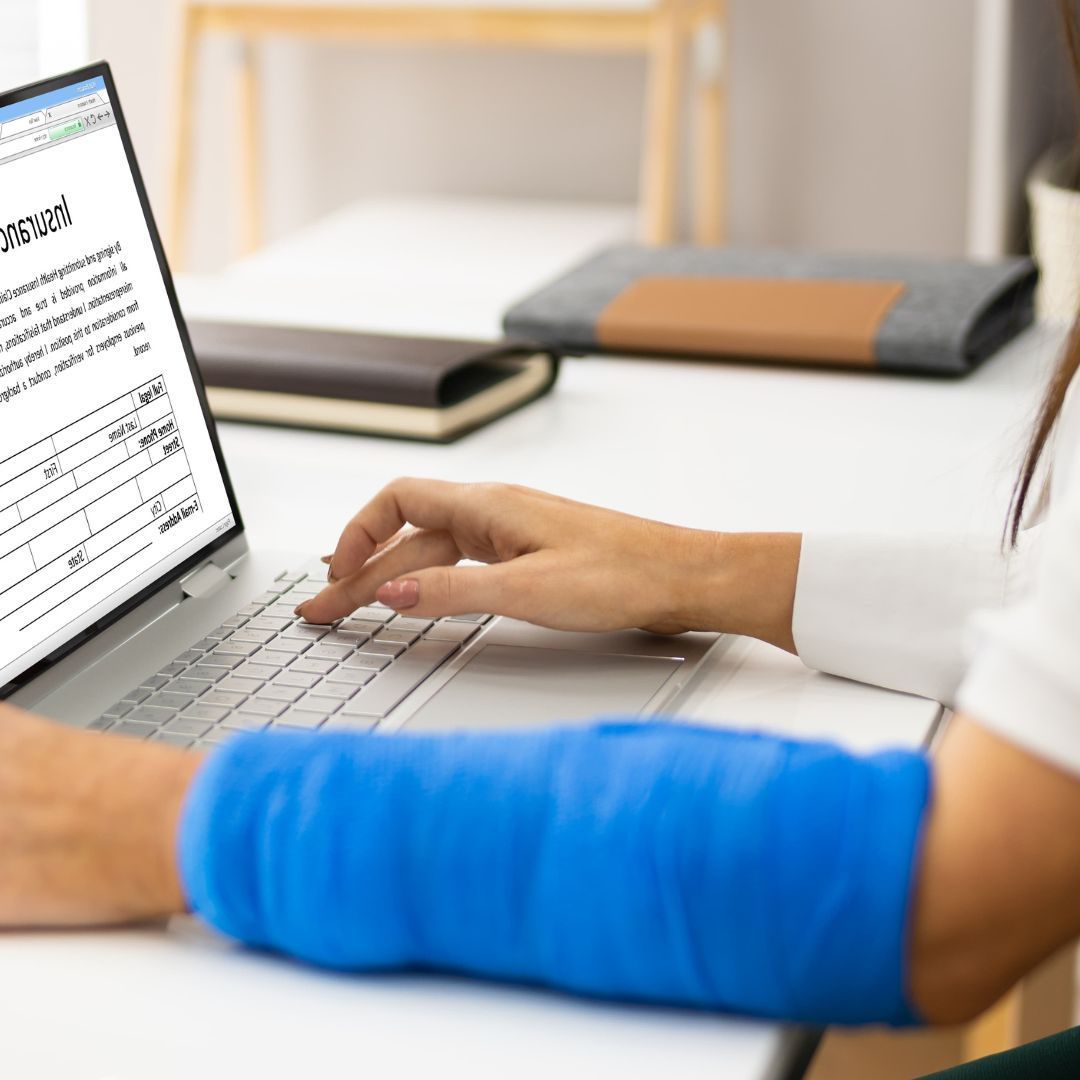
Workers Comp Insurance for Dressmaking and Tailoring
Index
Understanding Workers Comp Insurance
California's Workers Comp Insurance Laws
Determining Your Workers Comp Insurance Needs
Navigating the Workers Comp Insurance Process
Dealing with Workers Comp Insurance Claims
Contact Us
Phone
886-226-4436
Location
9340 Bolsa Ave, Westminster, CA 92683

As a California dressmaker or tailor, it’s important to recognize the significant value of workers’ compensation insurance. This is insurance meant to pay medical and wage replacement benefits to employees who are injured or become ill while on the job. In this article, we'll break down the workers' comp insurance essentials including California's specific laws, how to determine your insurance requirements, guide you through obtaining insurance and getting coverage for claims.
Understanding Workers Comp Insurance
Workers’ compensation is a very key element of safety in the workplace. It is meant to cover employees who are injured or get sick on the job. This coverage is critical to providing the medical and financial security workers need while in recovery.
Workers Comp Insurance: The Basics
What Does Workers’ Compensation Insurance Cover? That encompasses medical bills, lost wages and rehab expenses. Employees will get benefits for their injuries without having to prove fault or blame because they have this insurance. This is a system that works to ensure that injured workers have access to the assistance they need in a fair and efficient manner.
When a worker is hurt while on the job, workers’ compensation insurance kicks in to pay their medical bills. This coverage involves visits to the doctor, time in hospital, operations, medicines and other treatments that may be required. And it also lets workers concentrate on getting better without having to fret over how they’re going to pay the medical bills.
Lost earnings The nearest most people will come to losing a limb is probably losing their paycheck for even a short period of time, but workman's comp covers those lost wages as well. When an employee cannot work because of their injury or illness, this insurance pays them for the income they have lost. This assistance is essential for workers to sustain themselves on a day-to-day basis and not lose their financial stability during the time they are off their feet.
Workers' comp insurance also pays for rehab. Injured workers generally need physical therapy, occupational therapy or rehabilitation to be able to function and go back to work. This is the insurance that staff have access to these important services when they need them, so that they can get better and back to work.
The Importance of Workers Comp Insurance for Dressmakers and Tailors
Workers' compensation is a blessing for the dressmaking and tailoring industry. In try industry, there are many hazardous activities in using of sharp tools, heavy machines and trying with harmful substances too.
Tools like needles, scissors and sewing machines can cause them injury as you will cut it carefully. Workers may inadvertently slice their skin, stick themselves with a needle, or sustain cumulative trauma injuries while on the job. With workers’ compensation insurance, these employees can get the medical care and assistance that they need right away, helping to minimize the long-term effects of their injuries.
Furthermore, dress-making and tailoring industry is particularly heavy with use of machine equipments such as industrial sewing machines and fabric cutting machineries. Accidents may also happen and cause serious injuries. For employees who face injury or illness, workers� compensation insurance is a safeguard that absorbs the cost of their medical care and offers financial support while they are unable to work.
Secondly hazardous chemicals (some dyes and chemicals) are dangerous to the health of dressmakers and tailors. Exposure to such compounds can cause respiratory issues, irritation of skin or other health challenges. Workers compensation also offers the assurance that all medical treatment, and other help and care for employees who become ill due to work conditions is provided.
Dressmakers and tailors also need similar workers’ compensation insurance for their fashion industry business. It shields them from potential litigation by hurt employees, since the expense of an injury is covered by the insurance policy. This possibility is necessary to ensure employers are able to keep their financial footing and concentrate on ensuring their work environment is safe for their employees.
Finally, workers' compensation insurance is such an important part of staying safe at work. It offers employees in the dressmaking and tailoring trade with a helping hand - both physically and financially should they sustain injury or illness as a result of their work. At the same time, it protects employers from various forms of legal exposure and financial risk that ultimately make for a better and more secure workplace for everyone.
Key Coverage Details for Workers' Compensation Insurance – Dressmaking and Tailoring
Medical Expenses
Workers' compensation insurance covers reasonable and necessary medical expenses if an employee suffers a work-related injury or illness. For dressmaking and tailoring businesses, this may include treatment for cuts from scissors or rotary cutters, repetitive strain injuries from sewing, burns from irons or steam presses, or injuries caused by slips, trips, and falls in the workplace.
Wage Replacement Benefits
If an employee is unable to work due to a covered workplace injury or illness, workers' compensation provides partial wage replacement during the recovery period. These benefits help employees maintain financial stability while they receive medical treatment and recover from their injuries.
Rehabilitation and Return-to-Work Support
Coverage often includes physical therapy, occupational therapy, vocational rehabilitation, and return-to-work programs. These services help injured employees recover more quickly and safely transition back to their regular duties or modified work assignments.
Disability Benefits
Workers' compensation provides disability benefits when a workplace injury results in temporary or permanent disability. Depending on the severity of the injury and applicable state laws, employees may receive temporary total, temporary partial, permanent partial, or permanent total disability benefits.
Employer's Liability Coverage
In addition to statutory workers' compensation benefits, most policies include employer's liability insurance. This protection helps cover legal defense costs and damages if an employee files a lawsuit alleging employer negligence related to a workplace injury that falls outside the standard workers' compensation system.
Death and Survivor Benefits
If a work-related accident or occupational illness results in an employee's death, workers' compensation may provide death benefits to eligible dependents. These benefits typically include funeral expenses and financial support for surviving family members, subject to state-specific regulations.
Occupational Illness Coverage
Employees in dressmaking and tailoring may develop occupational illnesses over time, such as respiratory conditions caused by prolonged exposure to fabric dust or chemical fumes from adhesives and cleaning agents. Workers' compensation insurance can help cover medical treatment and related benefits for eligible work-related illnesses.
Legal Compliance Protection
Most states require businesses with employees to carry workers' compensation insurance. Maintaining appropriate coverage helps dressmaking and tailoring businesses comply with legal requirements, avoid regulatory penalties, and demonstrate a commitment to employee safety and well-being.
Industry-Specific Risk Protection
Workers' compensation insurance is designed to address the everyday risks associated with dressmaking and tailoring operations, including injuries from sewing machines, cutting tools, pressing equipment, lifting heavy fabric rolls, repetitive hand movements, and workstation-related ergonomic issues. This industry-specific protection helps safeguard both employees and the business from the financial impact of workplace accidents.
Common Risks in Tailoring for Workers' Compensation Insurance
Repetitive Strain Injuries
Dressmakers and tailors frequently perform repetitive tasks such as sewing, cutting, measuring, and pressing garments. Continuous hand, wrist, shoulder, and neck movements can lead to repetitive strain injuries (RSIs), including carpal tunnel syndrome, tendonitis, and muscle fatigue. These conditions may require medical treatment, physical therapy, and time away from work.
Cuts and Puncture Wounds
Tailoring involves the regular use of sharp tools such as scissors, rotary cutters, sewing needles, seam rippers, and cutting knives. Workers are at risk of accidental cuts, puncture wounds, and lacerations while handling fabrics and operating sewing equipment. Proper tool handling and protective practices help reduce these injuries.
Sewing Machine Accidents
Industrial and domestic sewing machines pose risks of needle punctures, finger injuries, and entanglement with moving machine parts. Workers may also experience injuries during machine maintenance or when attempting to clear fabric jams. Regular equipment maintenance and operator training are essential for workplace safety.
Slips, Trips, and Falls
Tailoring workshops can become hazardous due to fabric scraps, loose threads, electrical cords, spilled liquids, or cluttered workspaces. These conditions increase the likelihood of slips, trips, and falls, which can result in sprains, fractures, bruises, or more serious injuries.
Lifting and Manual Handling Injuries
Although tailoring is generally considered light work, employees often lift and move bolts of fabric, sewing machines, pressing equipment, and finished garment boxes. Improper lifting techniques or repetitive manual handling can lead to back strains, shoulder injuries, and other musculoskeletal disorders.
Burns and Heat-Related Injuries
Steam irons, garment presses, boilers, and other heat-producing equipment are commonly used in tailoring operations. Workers may suffer burns from hot surfaces, steam exposure, or accidental contact with heated equipment. Proper training and the use of safety devices significantly reduce these risks.
Eye Injuries
Flying needle fragments, broken machine parts, fabric fibers, dust, and accidental contact with sharp tools can cause eye injuries. Poor lighting may also contribute to eye strain and increase the risk of accidents. Protective eyewear and adequate workplace lighting help minimize these hazards.
Exposure to Dust and Chemicals
Tailors may be exposed to fabric dust, textile fibers, adhesives, cleaning solvents, dyes, and other chemicals used during garment production and finishing. Prolonged exposure can contribute to respiratory irritation, allergic reactions, or skin conditions such as dermatitis. Good ventilation and appropriate personal protective equipment (PPE) help manage these risks.
Electrical Hazards
Sewing machines, steam irons, pressing equipment, and lighting systems rely on electrical power. Damaged cords, faulty wiring, or improper equipment maintenance can expose workers to electric shock or electrical burns. Routine inspections and adherence to electrical safety standards are important preventive measures.
Fire Hazards
Tailoring shops contain combustible materials such as fabrics, threads, paper patterns, and packaging materials. Combined with electrical equipment and heat-generating appliances, these materials increase the risk of workplace fires. Maintaining fire extinguishers, safe electrical systems, and proper housekeeping practices helps reduce fire-related incidents.
Ergonomic Risks
Tailors often spend long hours sitting at sewing machines or standing at cutting and pressing stations. Poor workstation design, awkward postures, and insufficient breaks can contribute to chronic back pain, neck pain, joint discomfort, and reduced productivity. Ergonomically designed workstations and regular movement breaks help improve worker health and safety.
California's Workers Comp Insurance Laws
In California, the Legislature has enshrined particular provisions as it relates to workersâ compensation insurance. These are laws meant to ensure employees receive compensation if they become sick or injured on the job. As it pertains to workers’ compensation insurance, California’s laws outline that all employers in the state must carry a workers’ comp policy regardless of the number of employees. This requirement includes forcing even small businesses with just a few employees to offer this important coverage.
California’s workers’ comp insurance laws also cover part-time and seasonal employees. This provide coverage for all employees, regardless of whether they are full or part-time. Especially in industries with a large ratio of part time or seasonal workers, it would be important for such employees to have access to the benefits.
Someof California Workers Comp Insurance Laws Key Provisions็ of Californiasสั workers comp laws include:
You'll find several important facets of California's workers' comp insurance laws:
Workers compensation obligationFor most businesses, paying for workers' compensation insurance is required. One of the is that all work injuries and work related illness will be covered by the insurance. That is, if an employee becomes injured or sick due to the nature of their job, they are entitled to some form of compensation and benefits thanks to workers’ comp insurance.
In addition, California workers’ comp insurance laws mandate that employers provide benefits to impacted employees. This compensation will cover your medical care, therapy services and lost wages while you are disabled. Employers who furnish such as benefits provide workers with the necessary treatment and support to heal from occupational injuries or illness.
California Laws and regulations Affecting the Dressmaking and Tailoring Business
For the dressmaking and tailoring trade, workers’ comp insurance laws in California cover all employees while engaged in work. From designing clothes to running sewing machines and cutting fabrics, if an injury or illness occurs while working as a seamstress, it is typically covered by workers’ comp insurance.
Because of the severity of this crime against businesses in dressmaking and tailoring, it’s absolutely critical for these businesses to be compliant with California workers’ comp insurance laws. In this way, the companies are taking good care of their employees and minimising downside risk.” Whether your employees endure the potential of sharp objects, repetitive movements or hazardous materials, workers' comp insurance is a necessity in an industry similar to yours.
By adhering to California workers’ compensation laws, not only do you protect your employees but also mitigate risks against the likes of dressmaking and tailoring establishments. By ensuring their protection for a range of different instances, businesses have the potential to avert costly lawsuits and potential financial setbacks that could be caused when an accident occurs in the workplace.
In addition, dressmaking and tailoring businesses that put their employees' health and safety first will be able establish a great work environment. This, in turn, can drive greater productivity, more satisfied employees and enhanced customer loyalty. Through showing extended commitment to an employees well-being, these companies are capable of having and retaining the best people.
Working Out Your Workers Comp Insurance Requirements
When you own a dressmaking and tailoring business it is important to work with an insurance carrier that can help determine your workers comp safety needs. There are many things you need to take into account so that you know your business is insured in the right way.
Critical Aspects in Dressmaking and Tailoring
Number of employees One of the first things to think about when pondering the question, “How do you choose the right payroll service?” is how many employees you have. Regardless if you're a small group or larger staff, each individual should be accounted for when determining how much insurance coverage is necessary. This consists of both full-time and part-time employees.
The work responsibilities of your personnel is also a major consideration. Different positions at you dressmaking or tailoring service may come with different levels of risk. For instance, workers that use heavy equipment or sharp tools are likely to have more accidents or get injured. It's important to consider the actual duties of an employee when considering coverage.
It is also critical to determine how risky these tasks are. You may also want to look for any workplace hazards that could make an injury more likely, including slippery floors and malfunctioning machinery. With this information, you can understand how much coverage is needed to cover your employees and your business.
And finally, your budget has to be considered. Though coverage is important, you should also consider what you can afford. Finding the right balance between level of protection and to your budget is critical in order to have the correct workers’ comp insurance for your needs.
Calculating Potential Costs and Benefits
Workers’ comp insurance may add to your costs, but it also carries some hefty benefits. You can decide on what coverage you need by estimating the possible costs and benefits.
One way to help gauge the possible costs is to look at historical injury data for your industry. Knowing the types of injuries that are prevalent in dressmaking and tailoring can help you project costs related to workers' compensation claims. This information can also help pinpoint some gaps in your workplace safety protocols.
Additionally, talking to an insurance pro can help you get a better understanding on workers’ comp costs and average premiums. They also can help you comprehend the factors that dictate pricing including number of employees, type of business and claims history. With this knowledge, you could better estimate the costs of acquiring coverage.
It’s also worth thinking about potential savings in the case of a work accident. Your employees are typically covered for medical treatments, rehabilitation costs, and sometimes even lost wages by your workers’ comp insurance. What the right insurance coverage does is it helps to protect your business from the costs that could be associated with workplace accidents.
To sum up, as a dressmaker or tailor, you need to understand a lot to save on your workers’ compensation insurance. By considering how many employees you have, what job duties they perform and the relative risk level of those duties to your business, as well as your budget constraints, you’ll be able to know that you have the right amount of coverage in place for both your workers and for your business.
Dressmaking and Tailoring Workers’ Comp Insurance
As the owner of a dressmaking or tailoring business, you need to protect your employees and your shop. Workers’ compensation insurance pays medical costs and lost wages if a worker is injured on the job. Here is how the right coverage can keep your business in compliance with state laws and free of expensive liabilities.
Dressmakers & Tailors Workers Compensation Class Codes
Insurance rates are calculated using classification codes representing your business activities. Picking the right code results in employees being paid fairly and covers your claims.
Custom Dressmaking & Tailoring (Code 2503) :
This low-risk category encompasses businesses that have garments made, altered or repaired on a custom basis by an individual for personal use. Workers under this code usually perform sewing, fitting and finishing.
Clothing Manufacturing (Code 2501):
If your business makes clothing in volume, then this code relates to you. Mass production carries with it more risks, which is why workers comp for sewers in a clothing manufactory is typically rated differently than those who work in small tailoring shops.
Clerical and Sales (Codes 8810 or 8742):
You can actually separate the office and sales staff. Because these are less risky roles, giving them their correct codes can help lower your total tailoring insurance cost.
Factors That Determine the Cost of Workers’ Comp Insurance
Several factors determine the cost of workers comp insurance for dressmakers and tailors:
Yearly Payroll: Your payroll for the year is out under each class codes and that is how they determine someones premiums.
Claims History: If claims are filed or not, drivers with a clean safety record will pay less for insurance.
State Laws: States have their own workers’ comp laws that establish minimum requirements and base rates.
Asieh on Safe workplace: If the workplaces are safe with formal safety programs there is potential to receive a credit or discount.
How to Obtain Workers’ Comp Insurance for Dressmaking & Tailoring
Check Your State's Requirements: Check your state’s laws on workers’ comp. Most need coverage even if you only have one employee.
Evaluate Your Business: Dissect the payroll and categorize employees according to their duties (sewing, sales, clerical) for proper pricing.
Shop for a Policy: Compare rates from private insurers, online sellers and state funds. Note: Monopolistic states (ND, OH, WA, WY) require coverage to be secured through the state fund.
Get a Quote: Have your business information and federal ID number ready in order to get a quote.
Maintain Safety at All Times: The best way to ensure that your tailoring business insurance premiums not stay low in the long run is by avoiding items.
What is the minimum amount of worker's compensation insurance required for Dressmaking and Tailoring?
There’s no one-size-fits-all “minimum amount” of workers’ compensation insurance for dressmaking/tailoring that applies everywhere — the requirement depends on the jurisdiction (country, state/province, local laws), the number of employees, payroll size, and sometimes the risk level of the business activity.
To give an accurate answer, I’d need to know where you are (city / province / country) and perhaps how many workers / what payroll.
How much does insurance cost for a clothing business?
The cost of insurance for a clothing business can vary greatly depending on several factors, such as:
- Business Size and Revenue: Larger businesses with higher revenue or more locations will likely have higher insurance premiums.
- Type of Insurance: Different types of insurance cover different risks. Common types of insurance for clothing businesses include:
- Business Size and Revenue: Larger businesses with higher revenue or more locations will likely have higher insurance premiums.
- Type of Insurance: Different types of insurance cover different risks. Common types of insurance for clothing businesses include:
- Location: The location of the business can affect insurance costs. Insurance in high-risk areas (e.g., areas prone to theft or natural disasters) may be higher.
- Claims History: If the business has a history of claims or higher risks, premiums may be higher.
- Deductibles and Coverage Limits: The higher the coverage limits and the lower the deductible, the higher the premiums.
What Does General Liability Insurance Cover for a Tailoring Business?
General liability insurance protects your business against claims of bodily injury, property damage, and personal injury that occur on your premises or as a result of your business operations. For example, if a customer slips and falls in your shop, this coverage would help cover medical expenses and legal fees.
How to Get Workers' Comp Insurance for Dressmaking and Tailoring.
People want to know the steps to take to secure a policy.
Where to Buy: You can generally buy workers' comp from a private insurance company through a local agent or directly from a state-run insurance fund.
The Process: The process usually involves:
Contacting an insurer or an agent.
Providing details about your business, payroll, and number of employees.
Getting a quote and customizing your coverage.
Purchasing the policy, often with an initial premium deposit.
Posting a notice of coverage in a conspicuous place at your business, as required by law in many states.
REQUEST A QUOTE
Speak with a CA Workers Compensation Insurance specialist today!
Get started today!
Prefer to speak with an agent now?
Call: (866) 226-4436
Workers Compensation Insurance
Learn More About Workers Comp. Insurance