Best Workers Comp Insurance for Tree Service Companies in California
See How We're Different
or call us: 866-226-4436
Best Workers Comp Insurance for Tree Service Companies in California
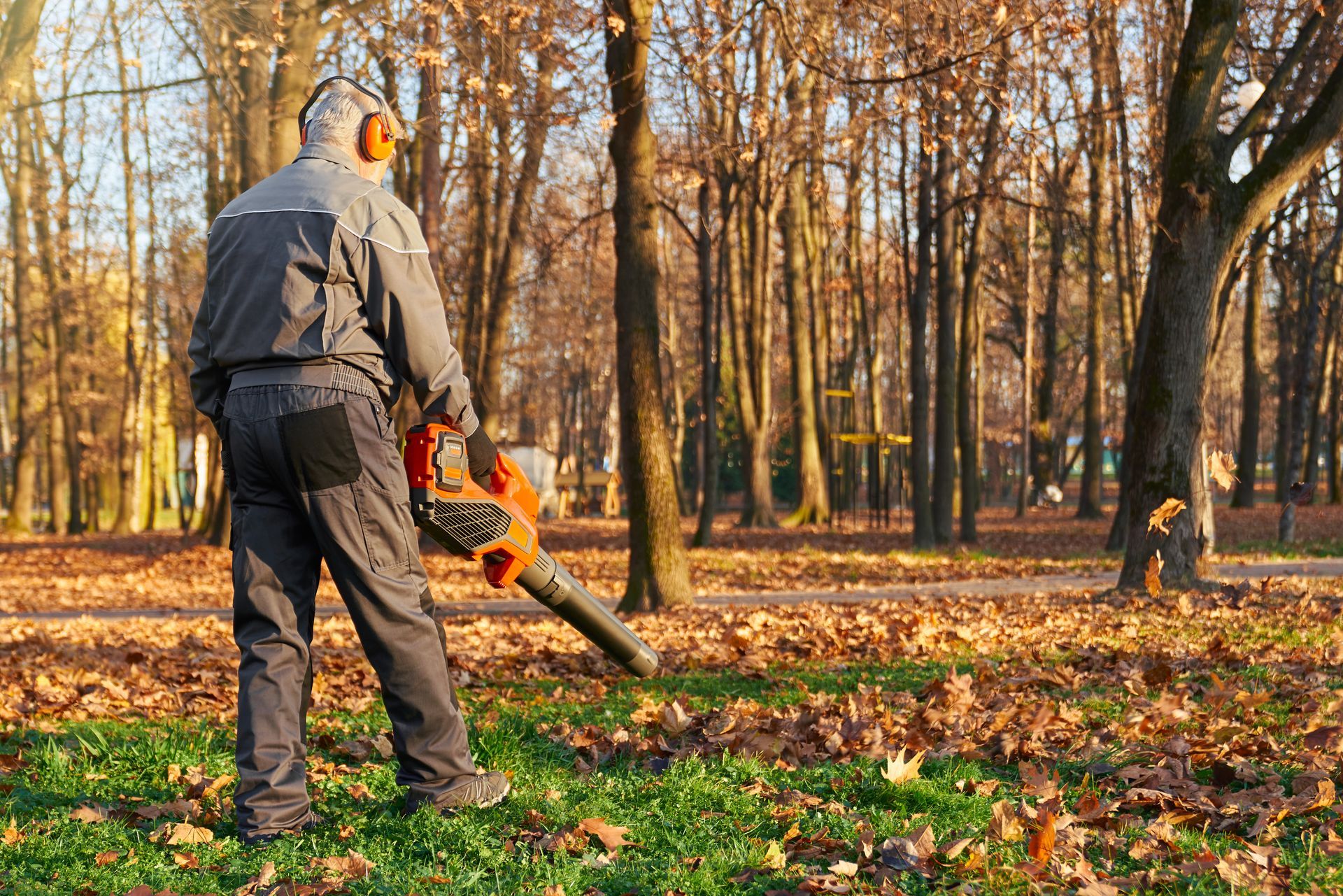
Running a tree service company in California involves much more than trimming branches, removing damaged trees, or maintaining residential landscapes. Tree care professionals regularly work at significant heights, operate chainsaws, handle heavy equipment, and perform demanding tasks near power lines, buildings, and public roads. Because these jobs carry substantial workplace risks, workers’ compensation insurance is an essential consideration for business owners.
The best workers’ compensation insurance for tree service companies in California provides financial protection when employees suffer work-related injuries or illnesses. Depending on the policy and applicable law, coverage can help pay for medical treatment, rehabilitation, disability benefits, and a portion of lost wages. It also helps employers meet California’s workers’ compensation requirements and manage the financial consequences of workplace accidents.
Choosing suitable coverage requires understanding the risks associated with tree care, comparing insurance providers, and evaluating policy terms rather than simply selecting the cheapest available premium.
Why Tree Service Companies Need Specialized Coverage
Tree service businesses face risks that differ significantly from those of many other small businesses. Employees may climb tall trees, use aerial lifts, operate stump grinders, remove large limbs, and work with powerful cutting equipment. A single accident can result in serious injuries, extended recovery periods, and substantial medical expenses.
California employers generally must carry workers’ compensation insurance when they have employees, including businesses operating with relatively small teams. Specific rules and exceptions can depend on the business structure and employment circumstances, so owners should verify their obligations before hiring or assigning workers.
Tree service companies should also understand that insurance classification and underwriting depend on the actual work performed. A company that primarily provides basic landscaping services may receive different treatment from a contractor specializing in hazardous tree removal. Accurate descriptions of job duties, payroll, and operations help insurers evaluate the business appropriately.
Attempting to obtain a lower premium by misrepresenting tree removal activities can create serious problems during an audit or claim. Transparent information is essential for securing dependable protection.
What Makes an Insurance Provider the Best Choice?
The best insurance company for a California tree service business is one that understands arboriculture-related risks and offers coverage appropriate for the company’s workforce and operations. Availability can vary according to location, payroll, claims history, equipment, safety practices, and the types of trees or structures involved in the work.
Business owners should prioritize insurers or licensed insurance brokers with experience in workers’ compensation for tree care contractors. Industry familiarity can make it easier to explain specialized duties, classify employees correctly, and identify underwriting requirements before purchasing a policy.
Financial stability is another important consideration. An insurer should have the capacity to handle covered claims and provide reliable support throughout the claims process. Employers can review independent financial strength ratings and investigate the insurer’s reputation for claims administration.
Customer service also matters. When an employee suffers a serious injury, prompt communication, access to claims representatives, and clear instructions about medical treatment can make a meaningful difference. A competitive premium is valuable, but it should not outweigh the quality and suitability of the coverage.
Comparing Workers’ Compensation Insurance Options in California
Tree service companies should obtain quotes from several qualified insurance providers or brokers instead of relying on a single proposal. Each quote should be evaluated using comparable information, including estimated payroll, employee classifications, claims history, deductibles where applicable, and policy conditions.
Some businesses may qualify for coverage through standard commercial insurance markets, while higher-risk operations may need a specialist broker or access to California’s assigned-risk system. The availability of particular insurers depends on the company’s circumstances and the underwriting market at the time of application.
California’s State Compensation Insurance Fund, commonly known as State Fund, is one option employers may investigate. Private insurance companies and specialist commercial brokers may provide additional alternatives, depending on eligibility and underwriting appetite. No single insurer is automatically the best choice for every tree service company.
Business owners should ask whether the proposed policy accurately reflects climbing, crane-assisted tree removal, emergency storm cleanup, stump grinding, and other services performed by their crews. They should also confirm how subcontractors, temporary workers, and changes in payroll will be handled.
Comparing the full policy details helps companies avoid choosing a plan that appears inexpensive but does not properly reflect their actual business activities.

Recent News