Workers Comp Insurance for Clothing Stores
Index
Understanding Workers Comp Insurance
The Specifics of Workers Comp for Clothing Stores
Cost Factors of Workers Comp Insurance
Navigating Workers Comp Claims
Legal Requirements and Compliance
Contact Us
Phone
886-226-4436
Location
9340 Bolsa Ave, Westminster, CA 92683

Owning a clothing store is an adventurous small business idea, and it can be quite lucrative as well if you find the right location. One of them is workers compensation insurance. In this guide, we will cover the what’s and why’s of workers comp insurance for a clothing store, including why it's important, what the risks and hazards are specific to the clothing industry, some things that may impact how much you'll pay in premiums, navigating through workers comp claims successfully and the legal requirements as they pertain to your state.
Understanding Workers Comp Insurance for Clothing stores
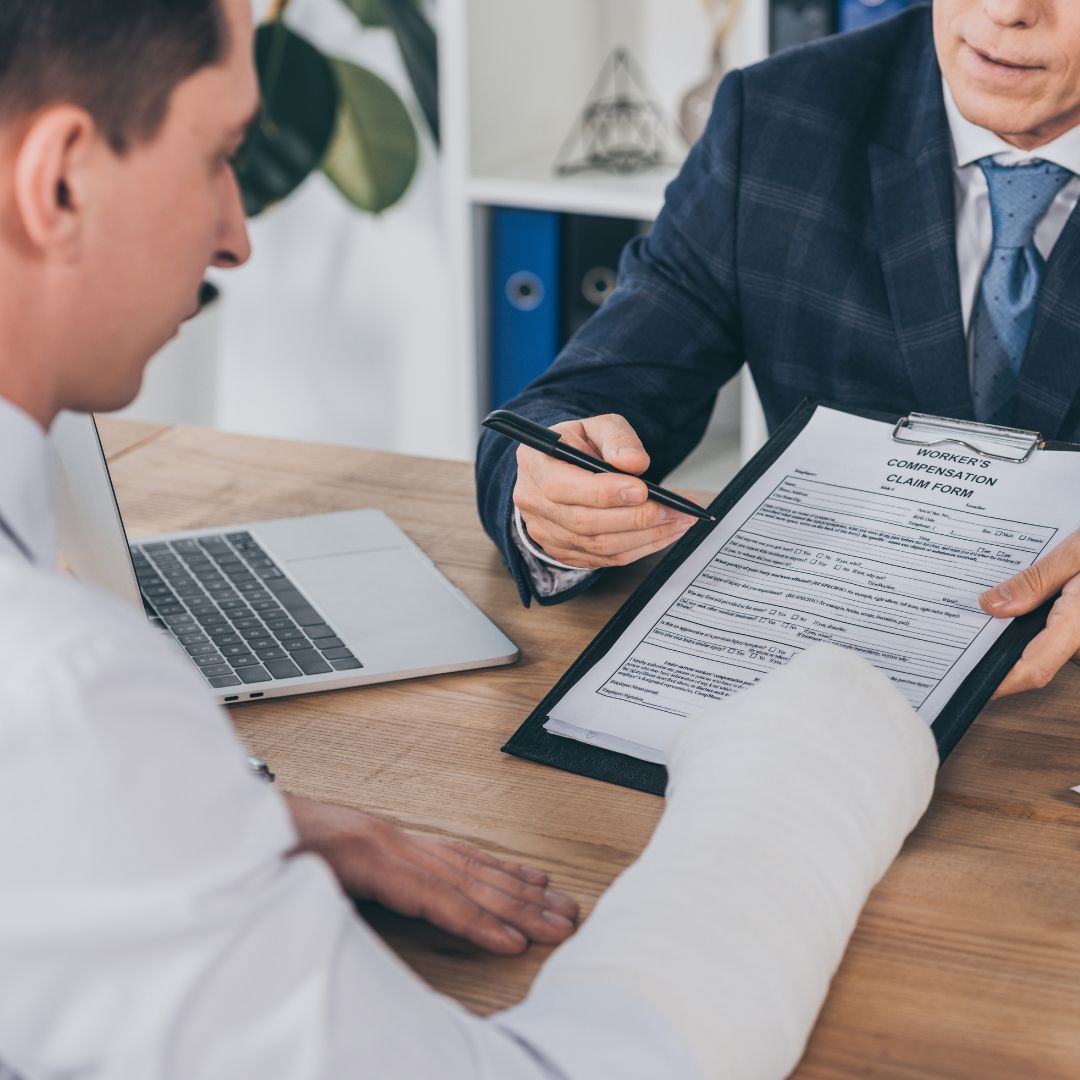
Workers Comp Insurance for Clothing Stores Before we discuss the specific needs of workers comp insurance coverage for clothing store employees, it is important to understand what workers comp insurance actually means. In essence, workers' compensation is a form of insurance that covers wage replacement and medical benefits to employees injured in the course of employment. This is an insurance for the benefit of both the employee and employer.
Workers comp insures for many different kinds of work-related injuries and illnesses. It often covers medical payments, rehabilitation expenses, lost wages and even death benefits if an employee is killed on the job. With this coverage, you are positioned to give your clothing store employees the financial help they require when times get tough, and the business itself has protections from any potential lawsuits or otherwise.
But what does workers comp insurance actually cover? Let's take a closer look:
Medical Expenses
If an employee is injured while on the job, the medical costs can mount rapidly. The bills can be crushing, from trips to the emergency room to operations to post-treatment consultations. Workers comp insurance pays for these medical bills, so that the employee can get the proper treatment without having to stress about how they are going to pay for it.
Rehabilitation Costs
In the case of a traumatic injury, an employee may need rehab to gain back his or her physical capabilities to be able to return to work. Workers comp insurance can help pay for rehabilitation programs, such as physical therapy, occupational therapy and vocational training. In offering access to these services, workers comp insurance aids injured employees in their recovery and return to work.
Lost Wages
When a worker is hurt or becomes ill from a workplace incident, then they face loss of pay. Work comp insurance covers wage compensation benefits, meaning that injured workers keep a portion of their regular income when they can’t work. This monetary assistance can assist in the minimization of the stress and burden on one’s finances that an injury normally brings.
Death Benefits
Should a worker be killed as a result of work-related injuries or illness, workers comp insurance can pay death benefits to their dependents. It can offset some of the costs associated with a death and offer continued financial assistance to the remaining family. By providing this assistance, workers compensation insurance ensures that the family of the late employee is provided for in their time of mourning.
So why do clothing stores need workers comp insurance?
Legal Requirement
The first big reason is that workers comp insurance is required by law in most states. If this coverage not in place, clothing store owners face serious penalties and legal action. Reading your state or local bureau’s legal requirements, however, can also save you from expensive fines and lawsuits that may end up devastating a business.
Financial Stability
If you do not have workers comp insurance, your clothing shop could be liable to pay for the medical expenses and lost wages of employees who are injured at work. These expenses can escalate at an alarming rate if several employees are injured or become ill on the job. With workers comp insurance, you shield your business from the costs associated with these claims, maintaining its financial footing far into the future.
Employee Well-being
Workers comp insurance coverage shows you take your workers’ safety and health seriously. If you cover them with it; you will create a good atmosphere for work and they become loyal to you. Workers feel appreciated and safeguarded, confident that if tragedy strikes, someone will be there to look after them too. All of these factors can then positively effect staff moral, productivity and overall happiness in your clothing store.
In summary, workers comp insurance is an essential part of owning a clothing store. It helps you avoid financial setbacks to your business and employees, comply with work regulations, and maintain a happier workplace. velopersBy understanding the fundamentals of workers comp insurance and why it’s important, you can make the right call for both your employees and your clothing store.
Common Workers' Compensation Classification Codes for a Clothing Store
Workers' compensation classification codes are used by insurance companies to categorize employees based on the type of work they perform and the level of workplace risk. For clothing stores, the primary classification depends on whether employees are engaged in retail sales, office work, warehousing, tailoring, or delivery. The exact code can vary depending on the state and whether the insurer follows the National Council on Compensation Insurance (NCCI) system or an independent state rating bureau.
Retail Clothing Store Employees
The most common classification for clothing store employees is NCCI Code 8006 – Store: Clothing, Wearing Apparel or Dry Goods – Retail. This code generally applies to sales associates, cashiers, stock clerks working within the retail store, customer service representatives, store managers who primarily perform retail duties, and other employees involved in selling clothing directly to customers. It covers the typical operations of a retail clothing business.
Clerical Office Employees
Employees who perform exclusively office duties are generally classified under NCCI Code 8810 – Clerical Office Employees. This includes bookkeepers, payroll staff, accountants, human resources personnel, and administrative employees who work in a separate office environment and are not involved in retail sales, stocking merchandise, or warehouse activities.
Outside Sales Representatives
If a clothing business employs salespeople who work away from the retail premises, they are often assigned NCCI Code 8742 – Salespersons or Collectors – Outside. This classification is intended for employees whose primary duties involve meeting customers or clients outside the store and who have minimal exposure to retail operations.
Warehouse and Distribution Employees
Clothing retailers with separate warehouse or distribution operations may require different classifications for warehouse personnel. Depending on the nature of the work and the state's rating rules, codes such as NCCI Code 8292 – Warehousing or other applicable warehouse classifications may apply. These employees typically handle receiving shipments, inventory storage, order fulfillment, and shipping.
Tailoring and Alteration Services
If the clothing store offers in-house tailoring or garment alteration services, employees performing these specialized duties may require a separate classification that reflects tailoring or garment manufacturing operations. The applicable code depends on the extent of alteration work and the classification system used in the state.
Delivery Drivers
Employees who deliver merchandise to customers may be assigned a separate delivery or driver classification rather than the retail store code. The appropriate classification depends on the type of vehicle used, the frequency of deliveries, and the applicable state workers' compensation rules.
Important Considerations
Workers' compensation classification codes can differ by state, and some states maintain their own classification systems rather than using standard NCCI codes. Insurance carriers also review each business's operations to determine the proper classifications. Businesses with multiple operations—such as retail sales, warehousing, tailoring, and delivery—may have employees assigned to different classification codes based on their specific job duties. Ensuring employees are classified correctly helps maintain compliance and ensures workers' compensation premiums accurately reflect the business's risk profile.
The Details of Workers Comp for Clothing Stores
The laws and principles of workers comp insurance are applicable to all types of industries, but there are some particular risks and hazards in the clothing industry that all owners should have knowledge on.
Owning a clothing boutique entails more than simply maintaining a supply of the newest fashion styles and making certain your customers have a fun shopping trip. Unseen by many, but your employees face a sea of risks and hazards that put them in the line for injury. It's important to know these risks related to the garment industry so that you can protect their workers and keep them safe on the job.
9 Risks and Dangers of the Fashion Industry
If you work in a clothes' shop then you are one among many who meet certain dangers! From slips and falls in crowded stockroom to repetitive strain injuries from lifting heavy boxes, they are all risks which can end up with requiring medical attention.
Another place that you might commonly find a stockroom is in clothing retail stores, which typically stock lots of racks clothes, shoe boxes, and other things. The volatile nature of the trade means that stockrooms can very easily become filled up and cluttered. In that case, it is not difficult for employees to suffer injuries by falling down carelessly from time to time such as a tiny bruise or severe sprain and break.
There are the physical tolls of body aches that come with such heavy lifting in your 50s and maybe, one day soon, arthritis. Heavy boxes of inventory, reaching for items on high shelves and standing for long periods can cause repetitive strain injuries. These injuries are painful and inconvenient — and can make it impossible for employees to do their job.
In addition, clothing stores may employ devices like pressing machines, sewing machines and cutting implements. Misuse or failure to be trained on these appliances can contribute to the likelihood of an accidental injury. If inadequate training and safety measures are in place, employees may sustain burns, cuts and other injuries.
When you know what the unique risks are for your clothing industry segment, you can ensure that your workers comp insurance provides comprehensive coverage. Working with an insurance provider that understands the needs of your clothing store is necessary to be prepared for all the risks and dangers that come along with your business, so you can make sure they are covered in your policy.
Customizing Your Insurance to What Your Store Needs
One size doesn’t fit all when it comes to workers comp insurance for clothing stores. You work hard too, and your store’s unique requirements are to be considered when you shop for a policy.
For instance, if you run a large clothing store with multiple floors, you might want higher coverage limits to guard against possible accidents. There’s also an increase in foot traffic and the addition of escalators or elevators, which can lead to more slips, falls, and other accidents. Sufficient coverage will help you ensure that your workers can get the medical treatment they need and compensation if injuries occur.
If you also provide tailoring or alteration of garments, say so; and be aware that a few more risks are involved if it s your clothing store. Workers, who are using sewing machines and other machinery may be at an increased risk. These specific risks must be evaluated and addressed to make sure you have appropriate coverage.
By doing so, you’re more in control over what is important to your store than working with an insurance company that knows nothing about clothing retail and tailoring policies and limits accordingly. These professionals can offer key advice or explain risk factors particular to the trade so that you’re not underinsured.
Cost Drivers of Workers Comp Insurance
When planning and budgeting for workers comp insurance, this is also a handy time to consider the elements that can affect the cost of your coverage.
Workers comp is an essential part of safeguarding your employees and your business. It covers such things as medical bills and lost wages if someone is injured or made ill while at work. But just how much workers comp insurance costs can depend on a few different factors.
Determining Factors of Insurance Rates
Rates for workers comp coverage are determined differently based on a number of factors, such as how many employees the insurer has which type of work do they do how risky is the industry that their business operates in what precautions are taken to avoid injury.
Now let’s take a closer look at these factors. The total amount of your employees can also influence the rates you pay for insurance as the higher your employee count, the more likely that there may be an injury on the job. The work your employees do also makes a difference. More dangerous, labor-intensive work or jobs that entail risk are considered riskier and so insurance premiums go up.
The industry you work in also influences how much you’ll pay for insurance. Those that have high rates of workplace injuries, like construction or manufacturing companies, generally pay higher premiums. On the other hand, fields with lower injury rates (like office work) could have cheaper insurance.
In addition, even the safety measures you have in place could influence your insurance price. Insurance companies review your business's safety procedures and how you manage risk. By keeping your workplace safe and actively reducing the risk of incidents, you can reduce insurance costs.
How to Lower Your Insurance Costs
In addition to maximizing workplace safety, there are other strategies you can use to lower your workers comp insurance. Safety programs It’s a great way to educate your employees about the potential hazards and how they can avoid injury. When you show that you value the safety of your employees, this commitment can translate on to a reduction in premiums.
The supply of personal protective equipment (PPE) also keep employees safe longer. The use of personal protective equipment, namely helmets, gloves and goggles, reduce the risk of injuries markedly. Insurers may view businesses as a reduced risk if they prioritise PPE for employees, with which they can pass on this saving.
Implementing return-to-work programs can also play a role in curtailing insurance expenses. These programs seek to return injured employees to work as soon as they are medically capable, if only in a light-duty capacity. By helping workers return seamlessly, you mitigate lost wages and medical expenses—if successful, this will help in reducing your insurance rates.
It is important to collaborate with your insurance company in order to see what kind of cost saving solutions are at the disposal for your clothing store. They can help you with useful information and advice about how to further lower your workers comp insurance costs – while still adequately covering your employees.
Legal Requirements and Compliance
Every type of clothing store owner needs to understand the legal mandates and compliance issues involving workers comp.
State by State Workers Comp Coverage Laws
The laws and rules pertaining to workers comp insurance are different in every state. It is important to get to know what is required in your state so that you can be compliant. This involves knowing the filing deadlines, minimum coverage amounts, and potential exceptions or exemptions (if any) that pertain to your clothing store.
Penalties for Non-Compliance
The state takes a dim view of an employer who fails to purchase the workers comp insurance required by their law. These penalties might involve fines, lawsuits, or even shutting down your clothing store! Keeping up to date with the law and compliance is how you protect your business from costly fines.
In summary, workers comp insurance is essential for your clothing store and its staff. When you know the fundamentals of workers comp; you’re aware of the unique risks in clothing industry, how its costs elements work and you effectively manage claims and ensure compliance, then you can protect the lives of your employees thus protecting the future of your business.
Does insurance cover clothing?
- Clothing is generally considered personal property, so it is usually covered if it’s damaged, destroyed, or stolen in events like:
- Fire
- Theft
- Certain types of water damage
- Other perils specifically listed in your policy
- Coverage is subject to your deductible and policy limits. Some policies also cover clothing when you’re away from home (e.g., items stolen from your car).
How much does insurance cost for a clothing business?
The cost of insurance for a clothing business can vary greatly depending on several factors such as the size of the business, the type of coverage you need, your location, and the specific risks associated with your business.
- General Liability Insurance: For a small clothing business, this could cost around $400 to $1,500 annually. This type of insurance covers third-party claims of bodily injury, property damage, and advertising injury.
- Property Insurance: If you own or lease a store, property insurance to protect against fire, theft, or vandalism can cost around $500 to $3,000 annually, depending on the value of your inventory and property.
- Product Liability Insurance: This is important if you're selling clothing that could potentially cause harm (e.g., allergies to materials). Costs can range from $500 to $2,000 annually.
- Workers' Compensation Insurance: If you have employees, workers' compensation can cost anywhere from $0.75 to $2 per $100 of payroll, depending on the type of work employees are doing and the state's requirements.
- Commercial Auto Insurance: If your clothing business involves using vehicles, such as for delivery, this could cost around $1,000 to $3,000 per year.
- Business Interruption Insurance: To cover lost income due to unexpected events like natural disasters, the annual cost could range from $500 to $3,000, depending on the coverage limits and business size.
Do you need insurance to sell clothes?
Yes, you may need insurance to sell clothes in Antarctica, just like in many other places, although the specific requirements depend on various factors, including the type of business, the location, and local regulations.
If you're setting up a business in Antarctica or selling clothes there, you should consider the following types of insurance:
- Liability Insurance: Protects you in case customers get injured or property gets damaged due to your products or business activities.
- Property Insurance: If you own the store or any property where the clothes are sold, property insurance can help protect against damages or theft.
- Business Insurance: It can provide broader protection, including for business interruptions, loss of inventory, or employees' health and safety.
How can I save money on workers' comp insurance for my clothing store?
This is an optimization question. People want tips and strategies, such as implementing safety programs, shopping around for quotes, and considering higher deductibles.
Is workers' compensation insurance mandatory for clothing stores in California?
Yes, California law requires all businesses with employees to carry workers' compensation insurance. This coverage is crucial for protecting both your employees and your business from financial losses due to workplace injuries or illnesses.
REQUEST A QUOTE
Speak with a CA Workers Compensation Insurance specialist today!
Get started today!
Prefer to speak with an agent now?
Call: (866) 226-4436
Workers Compensation Insurance
Learn More About Workers Comp. Insurance