California Workers’ Comp Insurance for Tree Trimming and Removal Companies
See How We're Different
or call us: 866-226-4436
California Workers’ Comp Insurance for Tree Trimming and Removal Companies
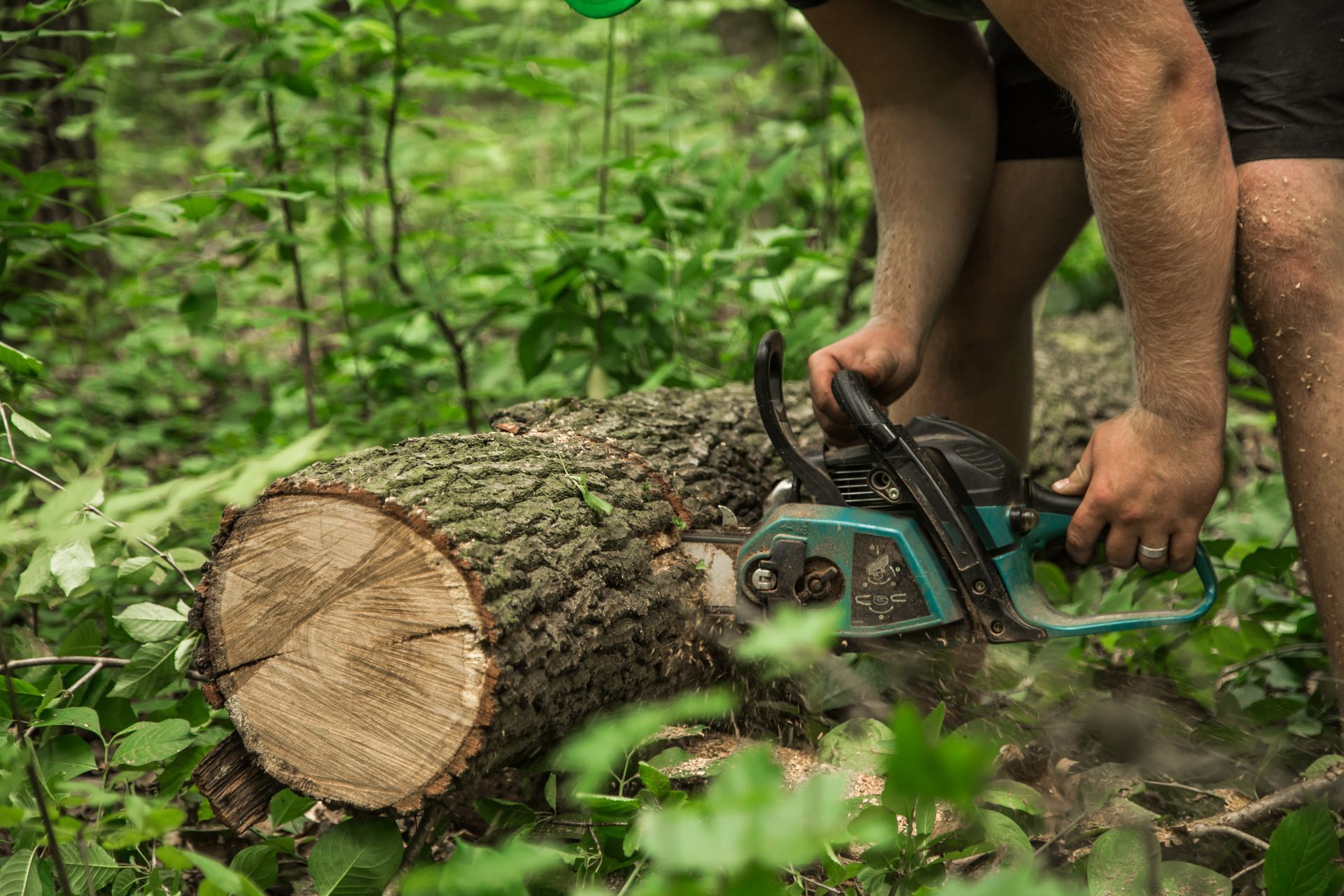
Tree trimming and tree removal companies perform essential services that help maintain safe properties, protect buildings, and preserve healthy landscapes. However, these services involve significant workplace hazards, including falling branches, chainsaw injuries, ladder accidents, heavy equipment incidents, and falls from elevated work areas. Because employees often work at considerable heights and handle powerful machinery, workplace safety and proper insurance coverage are critical for every tree care business.
California workers’ compensation insurance helps protect employees who experience job-related injuries or illnesses while performing their duties. It also helps employers manage the financial and legal responsibilities associated with workplace accidents. For tree trimming and removal companies, understanding how this coverage works is especially important because the nature of the work can create substantial risks for both employees and business owners.
Why Workers’ Compensation Is Important for Tree Trimming Companies
Tree care professionals regularly perform physically demanding tasks in unpredictable outdoor environments. A worker may be injured while climbing a tree, operating a chainsaw, removing damaged limbs, or transporting heavy logs. Even with proper training and protective equipment, accidents can happen without warning.
Workers’ compensation insurance provides benefits to eligible employees who suffer work-related injuries or illnesses. Depending on the circumstances, these benefits may cover necessary medical treatment, a portion of lost wages, disability benefits, and vocational rehabilitation when applicable.
For employers, maintaining appropriate coverage can help reduce the financial uncertainty associated with workplace injuries. It also supports compliance with California employment requirements. In general, California employers must carry workers’ compensation insurance even if they have only one employee, subject to applicable legal exceptions. Businesses should verify their obligations based on their employment arrangements and current state requirements.
Common Workplace Risks in Tree Removal Operations
Tree removal is considered a high-risk occupation because workers frequently operate near falling timber, electrical lines, unstable branches, and moving equipment. A single mistake can lead to serious injuries that require extensive medical care and recovery time.
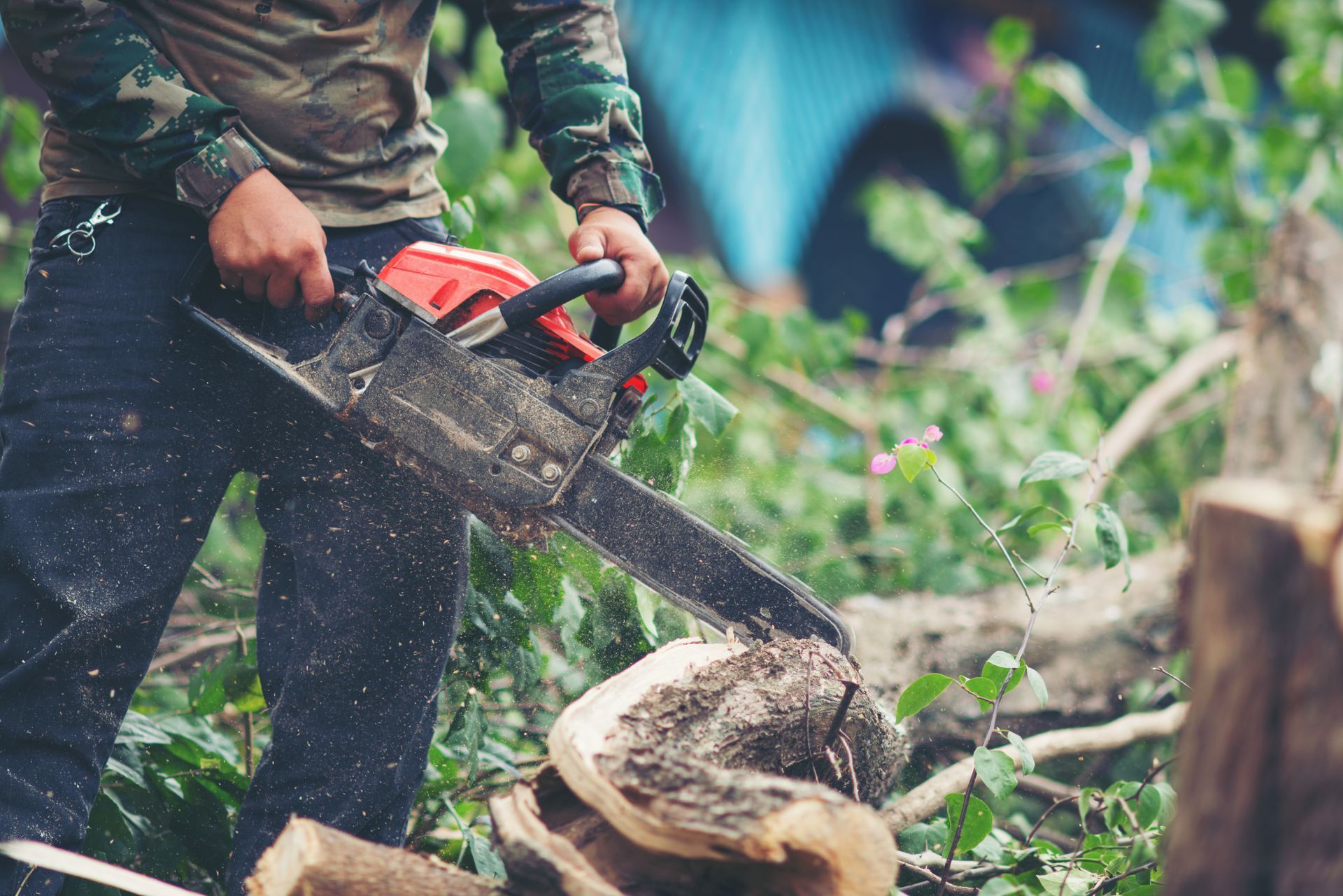
Falls are among the major concerns for tree trimming crews. Employees working from trees, aerial lifts, ladders, or elevated platforms may face dangerous conditions caused by unstable surfaces, weather changes, or equipment failure. Chainsaws and wood chippers also present risks, including severe cuts, crushing injuries, and other traumatic accidents.
Additional hazards include being struck by falling branches, suffering back injuries from lifting heavy materials, and experiencing heat-related illnesses during California's hot summer months. Workers may also encounter poison oak, insects, and other environmental hazards while working outdoors.
Because of these risks, insurers may evaluate a company's specific operations, employee duties, safety procedures, claims history, and payroll when determining workers’ compensation premiums.
What Does California Workers’ Compensation Insurance Cover?
Workers’ compensation coverage generally provides several categories of benefits for qualifying work-related injuries and illnesses. Medical benefits may pay for authorized treatment, hospital services, prescriptions, diagnostic testing, and rehabilitation associated with a covered workplace injury.
Eligible injured employees may also receive temporary disability benefits when a medical professional determines that their condition prevents them from working during recovery. If an injury results in lasting impairment, permanent disability benefits may be available depending on the medical findings and applicable rules.
In certain situations, workers may qualify for supplemental job displacement benefits when they cannot return to their usual employment and meet the program's eligibility requirements. Death benefits may also be available to qualifying dependents when a worker dies because of a work-related injury or illness.
Coverage is subject to California law, claim eligibility, medical determinations, and policy requirements. Employers should understand the benefits available under the state's workers’ compensation system rather than assuming every expense or employment-related loss will automatically be covered.

Recent News