How to Get Affordable Workers’ Comp Insurance for a Tree Service Business in California
See How We're Different
or call us: 866-226-4436
How to Get Affordable Workers’ Comp Insurance for a Tree Service Business in California

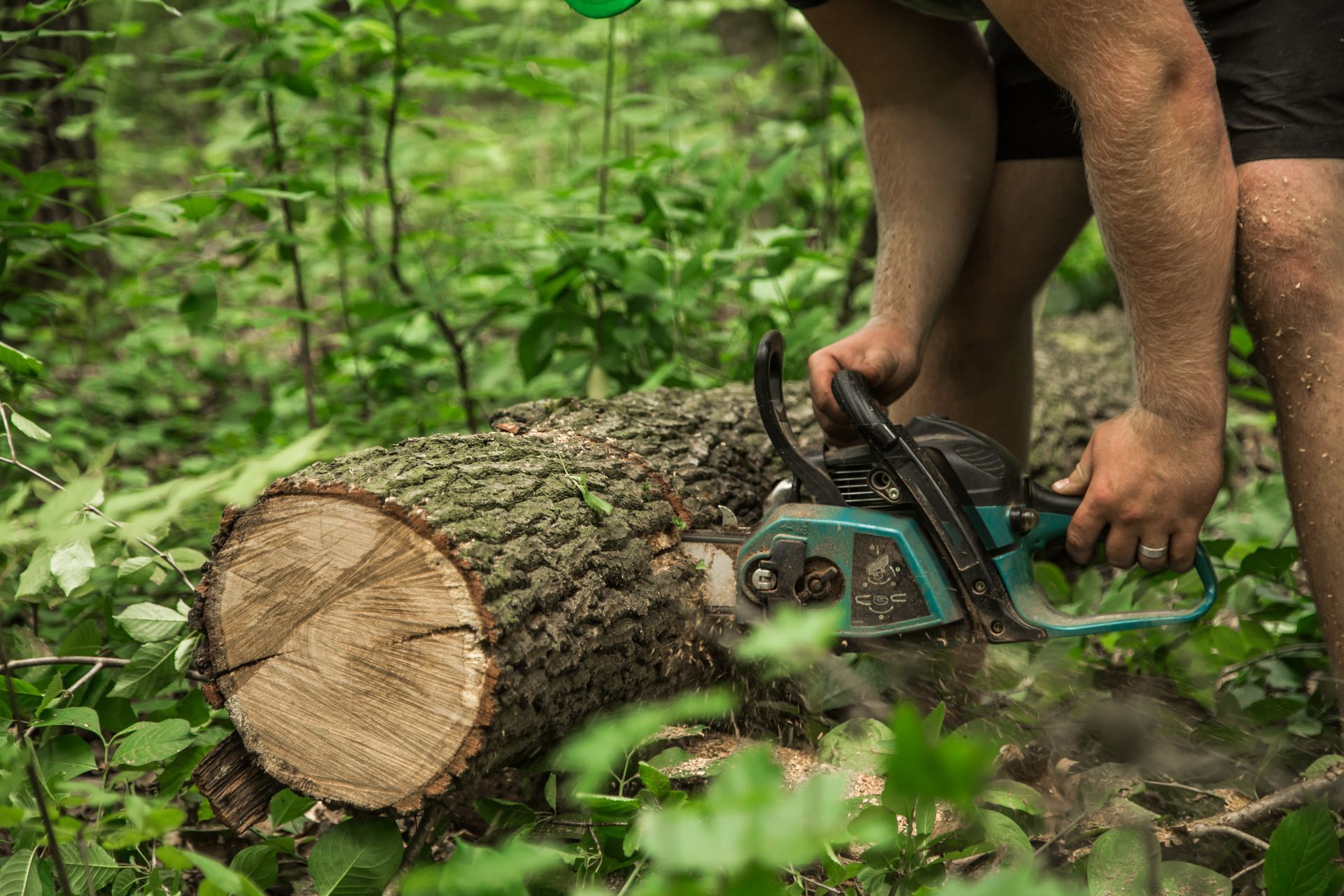
Running a tree service business in California requires specialized equipment, trained employees, and careful attention to workplace safety. From tree trimming and pruning to removing large trees and clearing storm damage, workers face risks every day. A single accident involving a chainsaw, falling branch, or elevated work platform can lead to serious injuries and unexpected expenses. That is why workers’ compensation insurance is essential for protecting employees and maintaining a financially stable business.
However, insurance premiums can be a significant expense, particularly for small tree care companies and independent contractors. The good news is that business owners can take practical steps to find affordable workers’ comp insurance without sacrificing necessary protection. Understanding insurance costs, improving workplace safety, and comparing suitable policies can help California tree service businesses manage their expenses more effectively.
Understand California’s Workers’ Compensation Requirements
Before searching for affordable coverage, it is important to understand the state’s insurance requirements. California generally requires employers with one or more employees to provide workers’ compensation insurance. This coverage helps pay for eligible medical treatment, disability benefits, and other benefits associated with work-related injuries or illnesses.
Tree service businesses must also pay special attention to contractor licensing rules. California Contractors State License Board requirements specifically apply to contractors holding the C-61/D-49 Tree Service classification, who generally must maintain workers’ compensation coverage or an approved self-insurance certification, even if they have no employees.
Maintaining the required coverage helps protect workers and prevents costly compliance problems. Business owners should verify their obligations based on their license classification, company structure, and employment arrangements before purchasing a policy.
Compare Multiple Insurance Quotes
One of the most effective ways to find affordable workers’ compensation insurance is to compare quotes from several qualified insurance providers. Premiums can vary significantly because insurers assess workplace hazards, payroll, claims history, and other business-specific details differently.
When requesting quotes, provide accurate information about your company’s operations. Explain whether your employees perform routine pruning, climb trees, operate chainsaws, remove large trees, or work near electrical lines. These activities can influence underwriting decisions and the coverage options available.
Consider contacting an independent commercial insurance broker who understands the tree care industry. A knowledgeable broker may help you identify insurers that accept higher-risk outdoor businesses and compare policy terms. Instead of choosing the cheapest quote immediately, examine the proposed premium, payment arrangements, claims support, and policy conditions to determine which option provides the best overall value.
Keep Your Payroll and Employee Classifications Accurate
Workers’ compensation premiums are closely connected to employee payroll and occupational classifications. Tree service companies should ensure that workers are classified according to their actual duties and that payroll estimates accurately reflect expected business activity.
For example, employees who primarily handle administrative tasks may present a different risk profile from workers who climb trees or operate heavy cutting equipment. However, office employees should only receive an office classification
when their duties genuinely meet the applicable classification requirements.
Incorrect classifications can result in inaccurate premiums, additional charges during an audit, or coverage complications. Review your payroll records regularly and inform your insurance provider when your staffing levels or business operations change. Accurate records make it easier to calculate appropriate premiums and reduce unexpected adjustments at the end of the policy period.
Improve Workplace Safety to Reduce Insurance Costs
A strong safety program can help control workers’ compensation expenses over time. Tree care involves hazards such as falling limbs, equipment-related injuries, unstable trees, and contact with power lines. Preventing accidents protects employees while reducing the likelihood of expensive claims.
Provide appropriate training on chainsaw operation, climbing procedures, personal protective equipment, emergency communication, and safe equipment handling. Conduct job-site hazard assessments before beginning difficult removals or work near buildings and electrical infrastructure. Employees should understand when a task requires specialized training or assistance from a qualified professional.
Maintain equipment according to manufacturer recommendations and replace damaged protective gear promptly. Document safety meetings, employee training, equipment inspections, and corrective actions. Although these practices do not guarantee lower insurance premiums, they can demonstrate responsible risk management and may help improve your company's long-term claims experience.
Maintain a Favorable Claims History
An employer’s previous workers’ compensation claims can influence future insurance costs. Frequent claims, severe injuries, and poor incident management may make coverage more expensive or limit available insurance options.
Develop clear procedures for reporting injuries immediately and helping employees obtain appropriate medical care. Investigate incidents to understand what happened and identify measures that could prevent similar accidents. Keep accurate records and communicate promptly with your insurance carrier throughout the claims process.
When an injured employee is medically able to return to work, consider suitable modified duties, such as equipment inventory, scheduling assistance, or other tasks permitted by their medical restrictions. A well-managed return-to-work program can support recovery and reduce unnecessary disruption to business operations.
Review Payment Options and Policy Details
Affordable coverage is not only about finding a lower quoted premium. Ask insurers whether installment payments are available and whether any additional fees apply. Review deductibles, where permitted, and understand how payroll audits, minimum premiums, and estimated annual wages affect the final cost.
Avoid understating payroll or misrepresenting job duties to obtain a lower price. Such shortcuts may lead to additional premium charges, coverage disputes, or regulatory consequences. Instead, focus on accurate documentation, effective safety practices, and a policy that reflects your actual business activities.
California employers can explore coverage through licensed private insurance companies or the State Compensation Insurance Fund. A licensed broker can help explain the available options and determine which arrangements are suitable for a particular tree service operation.

Recent News