Workers Comp Insurance for Arborists in California: Coverage, Costs, and Benefits
See How We're Different
or call us: 866-226-4436
Workers Comp Insurance for Arborists in California: Coverage, Costs, and Benefits
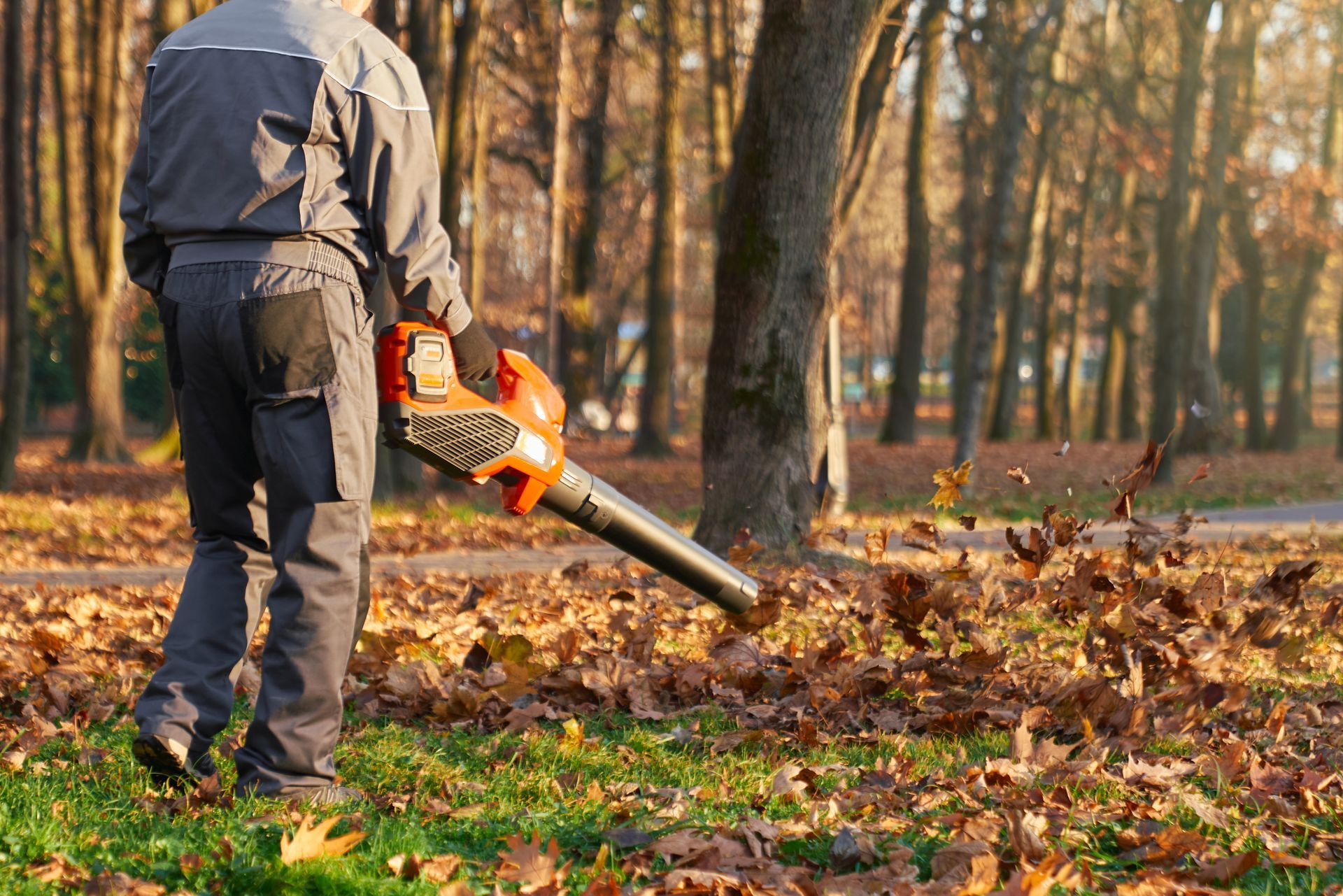
Arboriculture is a demanding profession that requires specialized knowledge, physical strength, and careful attention to safety. Arborists work with trees in residential neighborhoods, commercial properties, public spaces, and natural environments. Their daily responsibilities may include pruning branches, removing hazardous trees, operating chainsaws, climbing tall trees, and using heavy equipment. Although these services are essential for maintaining healthy landscapes and protecting property, they also expose workers to significant occupational hazards.
For tree care businesses in California, workers' compensation insurance is an important part of managing workplace risks and maintaining a responsible operation. This coverage helps provide financial and medical support when employees suffer job-related injuries or illnesses. It can also protect employers from certain financial liabilities associated with workplace accidents. Understanding workers' compensation insurance, its costs, and its benefits allows arborists and tree service companies to make informed decisions about their insurance needs.
Understanding Workers' Compensation Insurance for Arborists
Workers' compensation insurance is designed to help employees who become injured or ill because of their work. In California, most employers with employees are required to carry workers' compensation insurance, even if they employ only one person. The rules may differ depending on the business structure and employment arrangement, so arborists should understand how California law applies to their specific operations.
Tree care professionals face a different level of risk from many office-based occupations. A falling branch, malfunctioning chainsaw, unstable ladder, or equipment failure can result in serious injuries. Employees may also experience repetitive strain, back problems, hearing damage, or other health conditions associated with physically demanding work.
Workers' compensation insurance helps address these risks by providing benefits for eligible work-related injuries and illnesses. It is not simply an administrative requirement; it is a practical way to support employees while helping a business maintain financial stability after an accident.
What Does Workers' Compensation Insurance Cover?
Workers' compensation policies generally provide several types of benefits for covered workplace injuries and illnesses. Medical benefits can help pay for necessary treatment, including emergency care, physician appointments, hospital services, diagnostic tests, rehabilitation, and other approved medical expenses.
Wage replacement benefits may also be available when an injured employee cannot work temporarily because of a job-related condition. These payments help replace a portion of lost earnings while the employee recovers, subject to applicable eligibility requirements and benefit limits.
When an injury causes lasting impairment, an employee may qualify for permanent disability benefits. In more serious situations, where a worker cannot return to their previous occupation, vocational rehabilitation or supplemental job displacement benefits may be available under California's rules.
Workers' compensation can also provide death benefits to eligible dependents when an employee dies because of a work-related injury or illness. These benefits may help surviving family members manage the financial consequences of losing a household's income provider.
The precise benefits depend on the circumstances of the claim and applicable California law. Employers should review policy documents and discuss coverage details with a qualified insurance professional rather than assuming every expense or situation will automatically be covered.
Why Arborists Need Specialized Insurance Considerations
Arborists often work in unpredictable environments where weather conditions, tree stability, nearby structures, electrical lines, and ground conditions can change the level of risk. A routine trimming assignment may become dangerous when a large limb is damaged, a tree is leaning toward a building, or equipment must operate close to power lines.
Because of these hazards, insurance companies may classify tree care businesses according to their specific activities and associated risks. A company that primarily performs basic landscaping may have a different risk profile from a contractor specializing in large-tree removals, emergency storm response, or climbing operations.
Accurate business classification is essential when obtaining coverage. Employers should describe their actual services, employee duties, equipment use, and work environment honestly. Incorrect classification or incomplete information can create problems with premiums, audits, and claims.
Businesses should also remember that workers' compensation insurance does not replace every other form of protection. General liability insurance, commercial auto insurance, and equipment coverage may be necessary to address separate risks involving property damage, vehicles, or business tools.

Recent News