Workers’ Compensation Insurance for Cleaning Businesses: California Laws and Coverage
See How We're Different
or call us: 866-226-4436
Workers’ Compensation Insurance for Cleaning Businesses: California Laws and Coverage
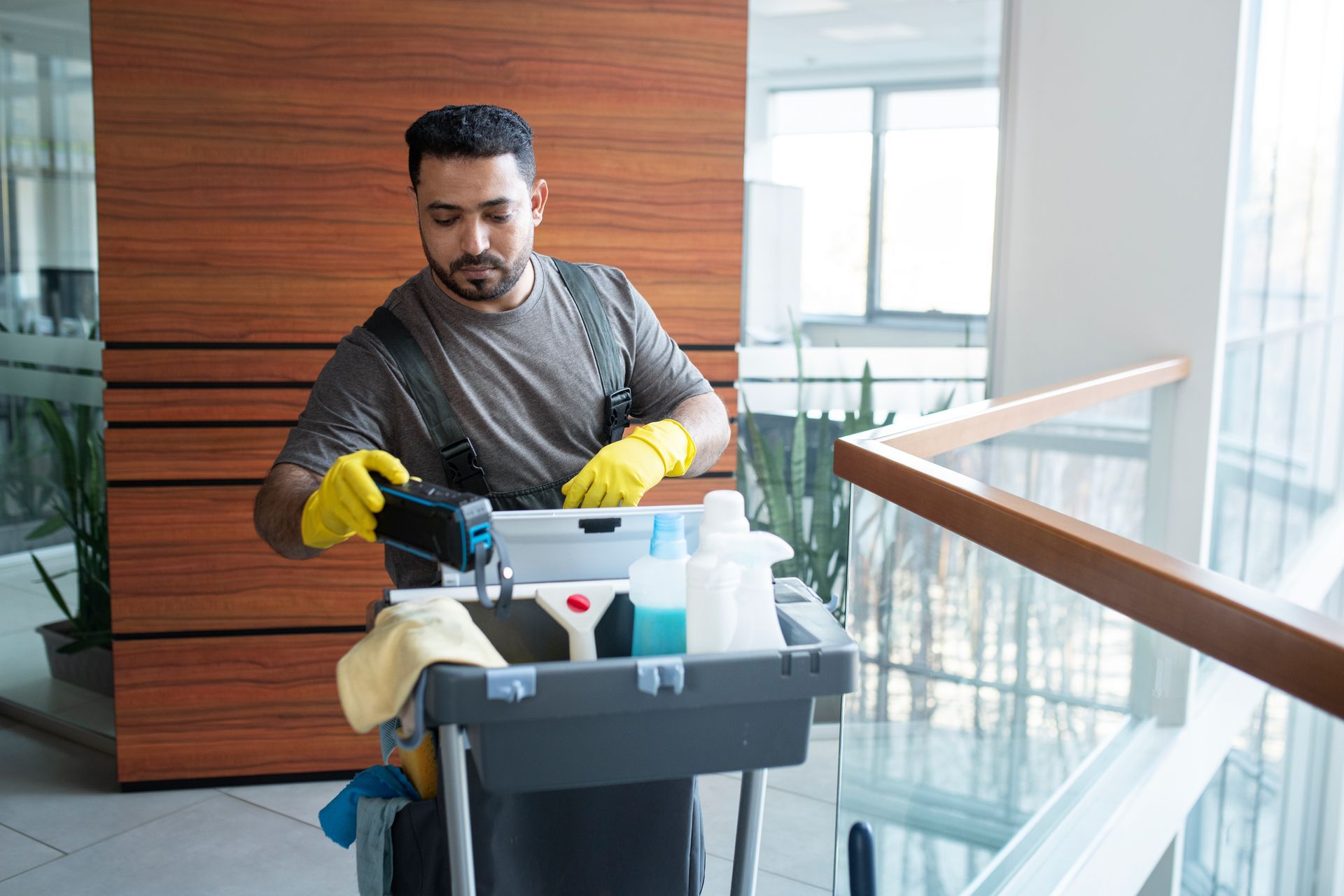
Running a cleaning business in California involves more than delivering excellent cleaning services and maintaining satisfied customers. Business owners must also protect their employees, manage workplace risks, and comply with state employment laws. Workers’ compensation insurance plays a vital role in this process because cleaning professionals regularly encounter physical hazards, chemical exposure, slippery floors, and repetitive tasks that can lead to injuries or occupational illnesses.
For cleaning companies of all sizes, understanding California’s workers’ compensation requirements is essential for maintaining legal compliance and financial stability. Whether a business provides residential cleaning, commercial janitorial services, office maintenance, or specialized cleaning, the right insurance coverage can help protect employees while reducing the financial pressure associated with workplace accidents.
Understanding Workers’ Compensation Insurance for Cleaning Companies
Workers’ compensation insurance is designed to provide benefits to employees who suffer work-related injuries or illnesses. California generally requires employers with one or more employees to carry workers’ compensation insurance or qualify for an authorized alternative, such as self-insurance. This requirement applies to cleaning businesses regardless of whether their employees work full-time, part-time, or on a temporary basis.
Unlike ordinary liability insurance, workers’ compensation focuses on employee injuries and occupational illnesses connected to employment. Covered benefits may include necessary medical treatment, temporary disability payments when an employee cannot work, permanent disability benefits when applicable, and other benefits provided under California law.
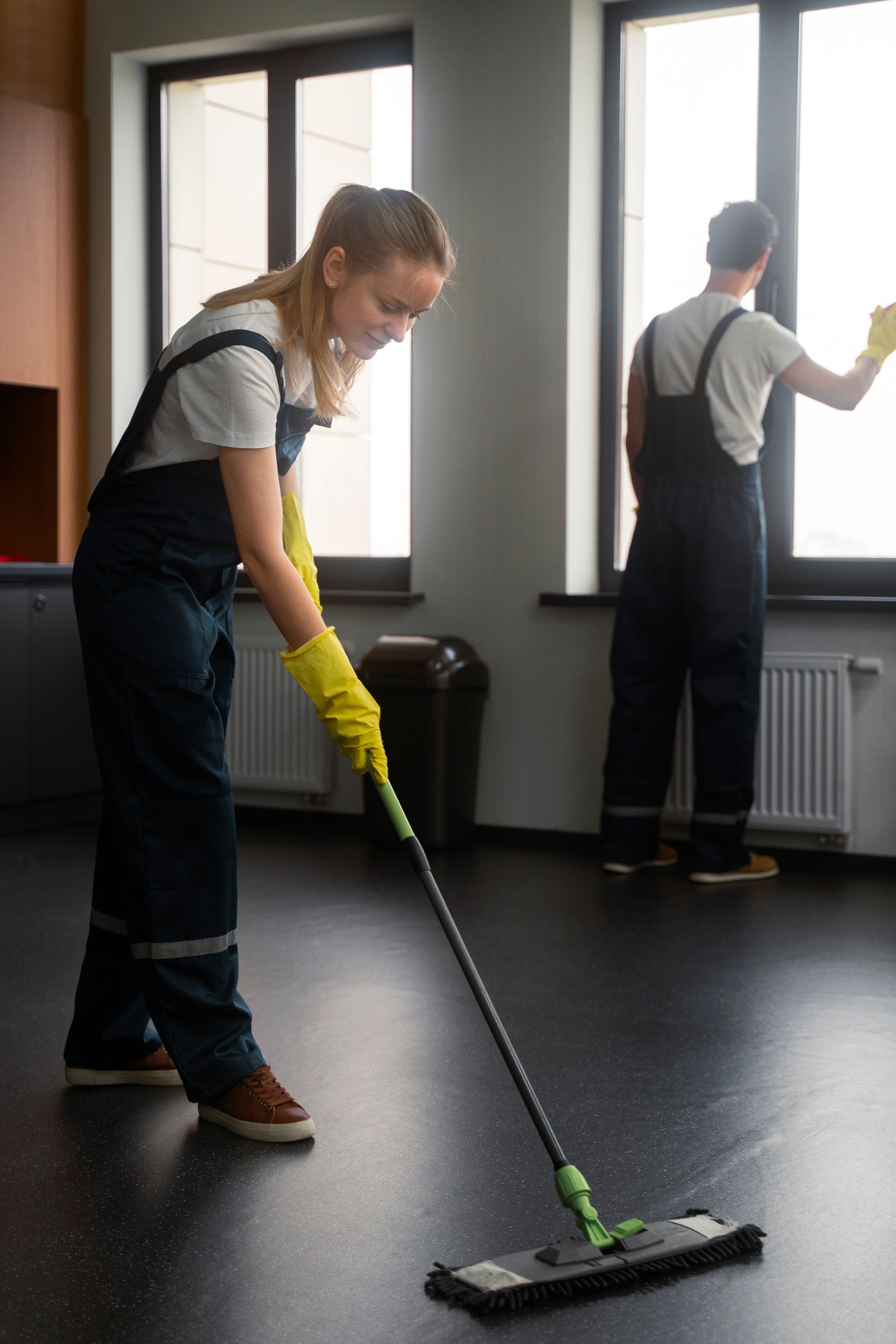
For example, a cleaner might slip while mopping a client's office, develop a work-related respiratory condition following chemical exposure, or experience a back injury while moving heavy cleaning equipment. Depending on the circumstances and applicable coverage rules, workers’ compensation may help pay for eligible medical care and replace part of the employee’s lost wages.
This protection is important for workers and employers alike. Employees receive access to benefits, while businesses gain protection under California’s workers’ compensation system, subject to applicable legal exceptions and policy terms.
California Workers’ Compensation Laws for Cleaning Businesses
California Labor Code Section 3700 establishes the general requirement for employers to provide workers’ compensation coverage. Cleaning business owners should not assume they are exempt simply because they operate a small company or employ only one worker. Businesses that hire cleaners, supervisors, or other employees generally need appropriate coverage from the beginning of their employment operations.
Employers must also understand their responsibilities after a workplace injury occurs. California requires businesses to provide employees with information about their workers’ compensation rights, display the required workplace notice, and follow the applicable procedures for reporting injuries and processing claims. When an employee reports a work-related injury or illness, the employer should respond promptly and provide the necessary claim documentation.
Failure to maintain required insurance can have serious consequences, including financial liability for workplace injuries, government penalties, and potential legal action. An uninsured employer may face costs that would otherwise be handled through an insurance policy, making compliance an important part of responsible business management.
California's requirements may also depend on the nature of the cleaning operation. Businesses providing commercial janitorial services should review additional rules that apply to the industry, including registration requirements under the Property Service Workers Protection Act. These requirements are separate from the general obligation to provide workers’ compensation coverage and may apply to certain janitorial contractors even when their workforce arrangements are unusual.
Common Workplace Risks in the Cleaning Industry
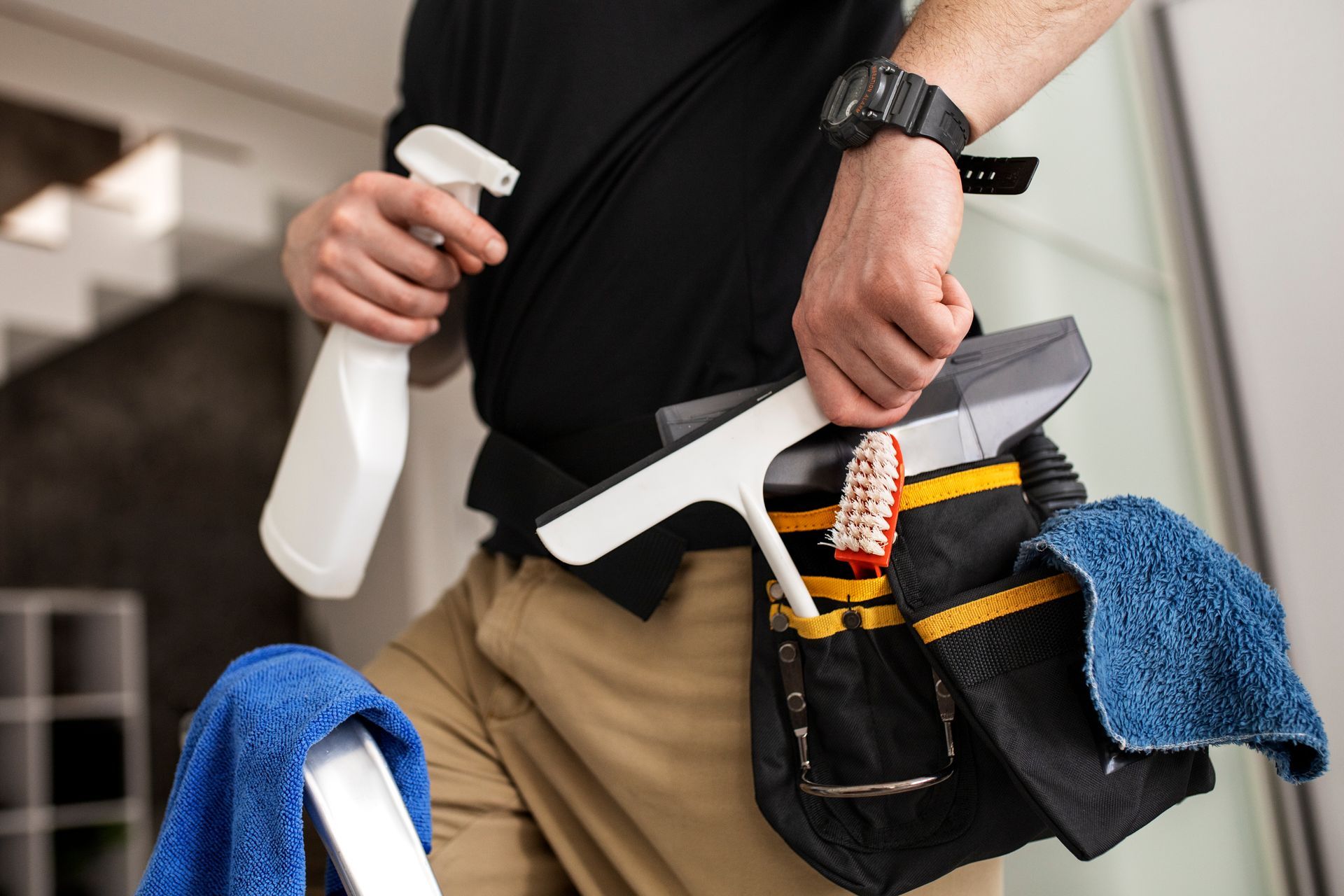
Cleaning employees often work in environments where hazards can change from one assignment to another. Wet floors, unsecured electrical equipment, ladders, heavy vacuum cleaners, and improperly stored supplies can all contribute to workplace accidents. Employees may also experience muscle strains from repetitive movements, lifting equipment, or cleaning hard-to-reach areas.
Chemical exposure is another important concern. Some cleaning products can irritate the skin, eyes, or respiratory system, particularly when employees use them incorrectly or work in poorly ventilated spaces. Employers should provide appropriate training, ensure that products are handled according to their instructions, and make suitable protective equipment available.
Workers’ compensation insurance can help address eligible claims arising from covered workplace injuries and illnesses, but insurance alone cannot prevent accidents. Cleaning companies should establish clear safety procedures, maintain equipment, train employees, and investigate incidents to identify hazards before similar problems occur.
A safer workplace can benefit everyone by reducing injuries, limiting disruption to customer schedules, and helping businesses maintain a more reliable workforce.

Recent News