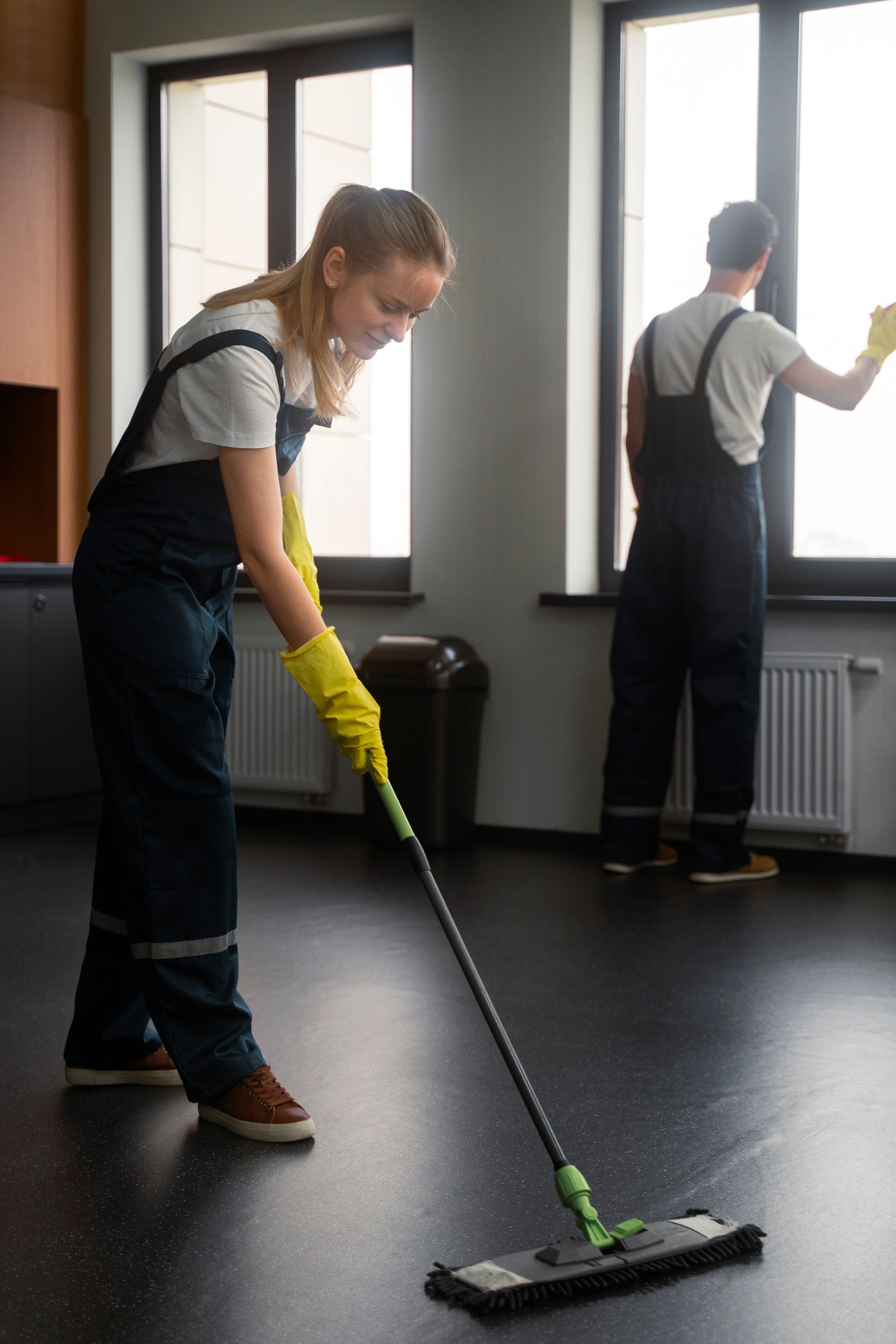
California Workers’ Compensation Insurance Requirements for Janitorial Companies
See How We're Different
or call us: 866-226-4436
California Workers’ Compensation Insurance Requirements for Janitorial Companies
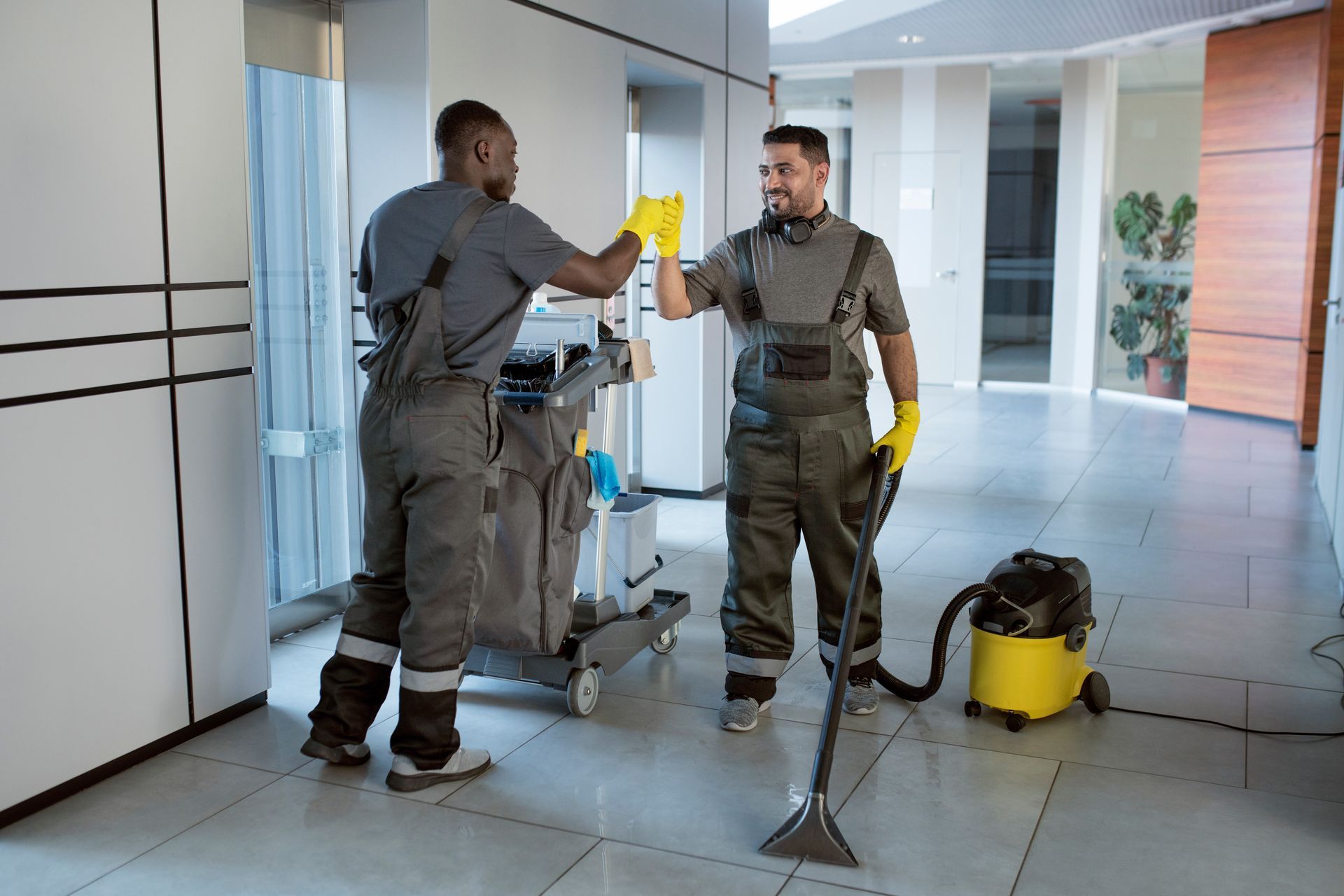
Running a janitorial company in California involves more than hiring cleaning staff, purchasing supplies, and securing commercial cleaning contracts. Business owners must also understand the state’s workers’ compensation insurance requirements to protect their employees and maintain compliance with applicable laws. Whether a company provides office cleaning, commercial janitorial services, floor maintenance, residential cleaning, or specialized sanitation, workplace safety and employee injury protection should be essential parts of its operations.
Janitorial employees regularly perform physically demanding tasks, including lifting equipment, handling cleaning chemicals, climbing ladders, moving furniture, and working on wet or slippery surfaces. These activities can create workplace hazards that may lead to injuries or occupational illnesses. Workers’ compensation insurance helps eligible employees receive benefits when they experience job-related injuries or illnesses while also providing employers with important financial and legal protections.
Understanding how California’s workers’ compensation rules apply to janitorial businesses can help owners make informed insurance decisions, manage operational risks, and build a more dependable cleaning business.
Is Workers’ Compensation Insurance Mandatory for Janitorial Companies in California?
California generally requires employers to carry workers’ compensation insurance as soon as they employ one or more employees. This requirement applies to many janitorial businesses, including small cleaning companies, commercial maintenance providers, and larger cleaning contractors with multiple work crews.
The obligation generally applies regardless of whether employees work full-time, part-time, temporarily, or on a seasonal basis. A company cannot automatically avoid its responsibilities simply because it operates from a home office, employs a small team, or provides cleaning services at customers’ properties rather than at its own premises.
Business owners should also understand that workers’ compensation obligations depend on the actual employment relationship, not merely the title used in a contract. Calling a cleaner an independent contractor does not automatically make that person legally self-employed. California applies specific legal tests when determining worker classification, and incorrectly classifying employees can expose a business to penalties, unpaid insurance obligations, and other legal disputes.
A genuinely self-employed individual with no employees may be treated differently under California law. However, janitorial companies should carefully evaluate their staffing arrangements before assuming that insurance is unnecessary.
Why Workers’ Compensation Matters in the Cleaning Industry
Janitorial work presents several occupational risks that can make workers’ compensation coverage particularly important. Employees may slip while mopping floors, suffer back injuries while lifting heavy supplies, experience repetitive-motion injuries, or develop skin and respiratory problems following exposure to certain cleaning products.
Some incidents happen suddenly, while others develop gradually after repeated exposure to workplace hazards. Employees may also sustain injuries while traveling between assigned cleaning locations or performing duties outside their normal work routines, depending on the circumstances.
Workers’ compensation insurance generally helps cover eligible medical treatment and provides wage-replacement benefits when a covered injury prevents an employee from working. Depending on the circumstances, benefits may also include payments for temporary or permanent disability, supplemental job displacement assistance, and death benefits for eligible dependents.
For janitorial business owners, appropriate coverage can reduce the financial impact of employee injury claims and help prevent unexpected expenses from disrupting daily operations. It also demonstrates that the company takes employee welfare and workplace responsibilities seriously.
What Does Workers’ Compensation Insurance Cover?
A workers’ compensation policy is designed to address qualifying work-related injuries and illnesses under California law. Medical benefits generally include reasonable treatment necessary to relieve the effects of an industrial injury, subject to applicable rules and procedures.
When an employee cannot perform their regular duties because of a covered injury, temporary disability benefits may help replace a portion of lost wages. If an injury results in lasting impairment, permanent disability benefits may be available depending on the medical findings and legal requirements.
In certain situations, an injured worker may qualify for vocational assistance through a supplemental job displacement benefit. When a workplace injury results in death, eligible dependents may receive death benefits.
Coverage does not mean that every workplace accident automatically qualifies for every benefit. Eligibility, benefit amounts, medical treatment procedures, and claim decisions depend on the facts of the case and California’s workers’ compensation system.
Janitorial employers should review their policies carefully to understand coverage terms, reporting obligations, exclusions, and any requirements that affect their particular business operations.

Recent News