What Does Workers’ Comp Cover for EEG Technicians in California?
See How We're Different
or call us: 866-226-4436
What Does Workers’ Comp Cover for EEG Technicians in California?
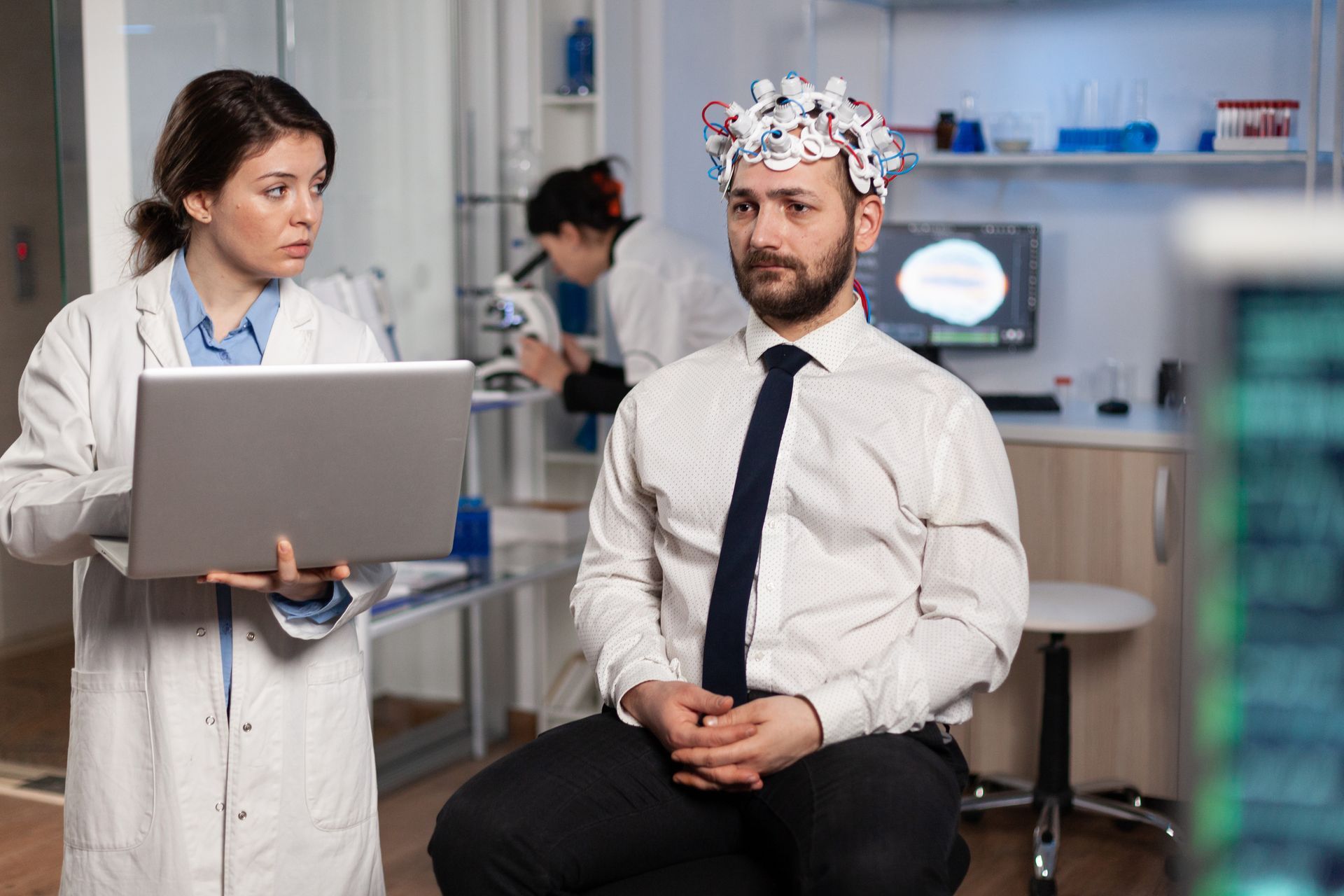
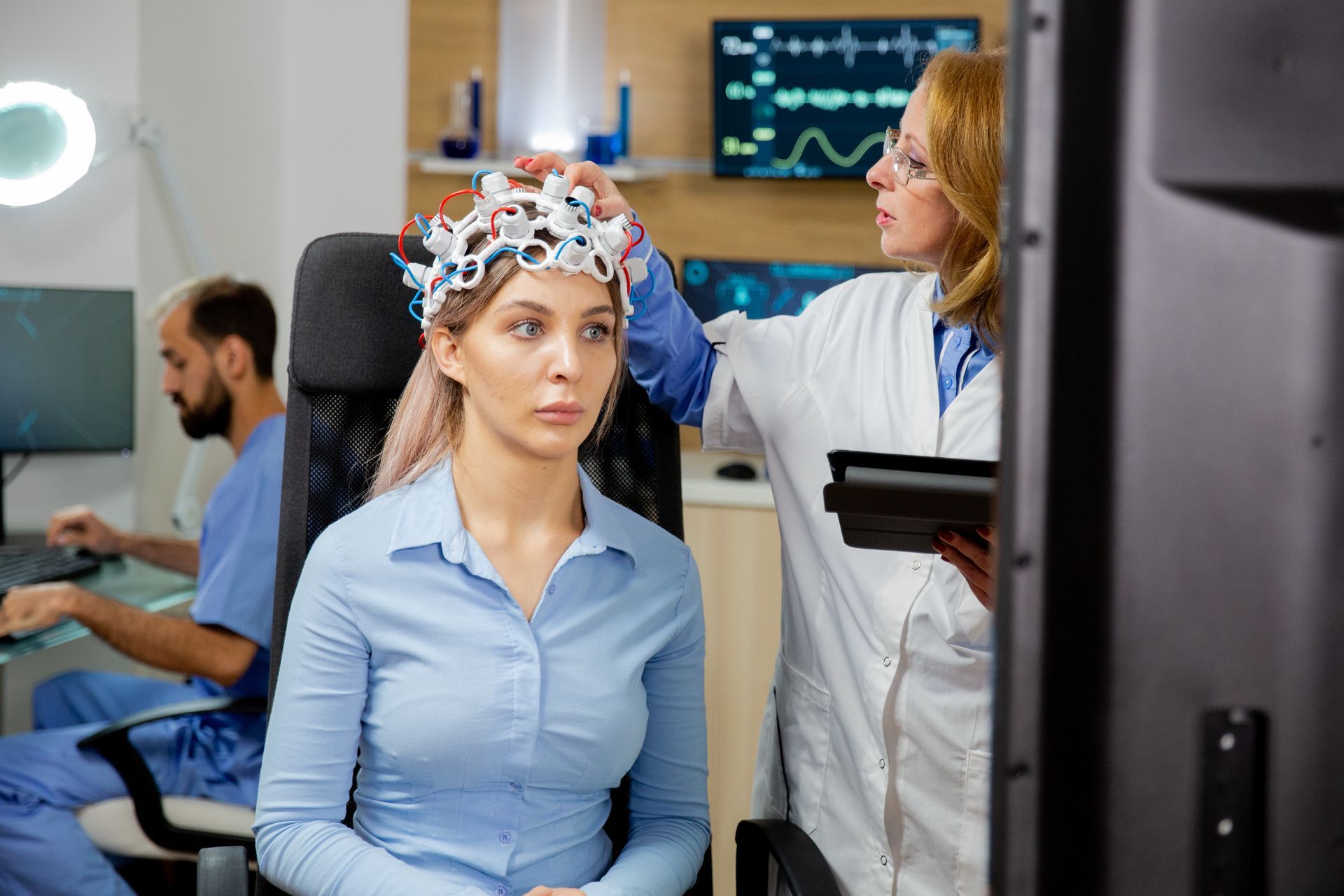
Workers’ compensation insurance provides important financial and medical protection for EEG technicians who experience work-related injuries or illnesses. In California, employers are generally required to carry workers’ compensation insurance for their employees, regardless of whether they work in a hospital, neurological clinic, outpatient diagnostic center, private medical practice, or another healthcare facility.
Understanding what workers’ compensation covers can help EEG technicians recognize their rights, understand available benefits, and know what to expect if they become injured while performing their professional duties.
Understanding Workers’ Compensation Coverage for EEG Technicians
Workers’ compensation is a form of employer-provided insurance designed to cover qualifying injuries and illnesses that occur because of work. California follows a no-fault workers’ compensation system, meaning an employee generally does not have to prove that the employer was negligent to receive benefits for an eligible workplace injury.
For EEG technicians, coverage can apply to injuries resulting from direct patient care, repetitive job duties, workplace accidents, and occupational exposures. The injury does not necessarily need to happen during a single incident. Medical conditions that develop gradually because of repeated workplace activities may also qualify.
For example, an EEG technician who develops wrist pain after repeatedly preparing electrodes, handling cables, and performing similar hand movements may have a potential repetitive-stress claim. Similarly, a technician who injures their back while helping reposition a patient may qualify for workers’ compensation benefits.
The California Division of Workers’ Compensation recognizes both sudden workplace accidents and injuries caused by repeated exposure to work activities.
Medical Expenses and Treatment for Work-Related Injuries
Medical treatment is one of the most important components of workers’ compensation insurance for EEG technicians. When an employee experiences a covered workplace injury or occupational illness, workers’ compensation generally pays for reasonable and necessary medical care required to treat the condition or relieve its symptoms.
Depending on the injury, medical coverage may include physician consultations, diagnostic testing, emergency treatment, hospital services, prescription medications, physical therapy, rehabilitation, and medically necessary equipment.
Consider an EEG technician who slips while transporting diagnostic equipment between examination rooms and suffers a back injury. If the injury is accepted as work-related, workers’ compensation may cover the medical evaluation, imaging services, prescribed treatment, and rehabilitation required for recovery.
Likewise, an employee who develops wrist or shoulder problems from repetitive workplace movements may receive medical treatment if the condition is established as work-related and meets applicable workers’ compensation requirements.
Medical treatment must follow California's applicable medical treatment guidelines and authorization procedures. Employees should report injuries promptly and follow the instructions provided by their employer and claims administrator.
Coverage for Back, Neck, and Musculoskeletal Injuries
EEG technicians spend considerable time working in clinical environments where physical positioning and repetitive movements are part of their daily responsibilities. Preparing patients for neurological testing, adjusting examination beds, arranging cables, applying electrodes, and maintaining equipment can place pressure on different parts of the body.
Back injuries are a common concern in healthcare occupations because employees may need to assist patients with limited mobility or work in uncomfortable positions during examinations. Repeated bending, twisting, reaching, and standing can also contribute to musculoskeletal problems.
Workers’ compensation may cover qualifying injuries involving the back, neck, shoulders, wrists, arms, and other body parts when medical evidence establishes a connection to employment.
For example, an EEG technician who experiences a shoulder injury while assisting a patient onto an examination bed may qualify for medical treatment and wage replacement if the injury prevents them from performing regular duties.
Repetitive motion injuries can also be considered occupational conditions. However, employees generally need appropriate medical documentation showing that their condition is related to their work activities.
Protection Against Workplace Accidents and Falls
Hospitals, outpatient neurological centers, and diagnostic laboratories contain equipment, electrical cables, examination beds, cleaning products, and other potential workplace hazards.
EEG technicians frequently move between patient rooms, testing areas, storage spaces, and clinical workstations. These activities can increase the possibility of slipping, tripping, or falling.
An employee may experience an injury after tripping over an improperly positioned cable, slipping on a recently cleaned floor, or falling while transporting medical equipment. Such incidents may result in fractures, sprains, head injuries, or other medical complications.
Workers’ compensation may provide coverage for qualifying injuries that occur while an employee is performing job-related responsibilities. Depending on the severity of the injury, benefits can include emergency medical care, follow-up treatment, rehabilitation, and temporary disability payments.
It is important to document workplace accidents accurately, including when the incident happened, where it occurred, and what activities the employee was performing.
Coverage for Occupational Exposure and Workplace Illnesses
Healthcare professionals may encounter biological and environmental hazards while working with patients. EEG technicians can work with individuals who have different medical conditions, infections, and healthcare needs.
Although EEG procedures are generally noninvasive, technicians may still have contact with contaminated surfaces, patient-care equipment, bodily fluids, and potentially infectious materials during their daily responsibilities.
A work-related illness resulting from occupational exposure may qualify for workers’ compensation when the employee can establish the necessary connection between the illness and workplace activities.
Coverage may include reasonable medical evaluation, laboratory testing, treatment, and other necessary healthcare services associated with an accepted occupational illness.
Chemical exposure is another potential concern. Cleaning agents, disinfectants, and other substances used in healthcare facilities may cause skin irritation, respiratory symptoms, or other medical problems. If an employee develops a qualifying condition because of workplace exposure, workers’ compensation may provide benefits.
Employers should maintain appropriate infection-control procedures, provide suitable protective equipment, and train employees to follow workplace safety standards.
Temporary Disability Benefits and Lost Wages
An injury can affect an EEG technician's ability to work, even when the condition is expected to improve with treatment. Workers’ compensation provides temporary disability benefits when an accepted work-related injury prevents an employee from performing their regular job while recovering.
California generally calculates temporary disability payments at approximately two-thirds of the employee's gross wages, subject to legally established minimum and maximum payment limits.
For example, an EEG technician who suffers a serious back injury may need several weeks away from work to receive treatment and complete physical rehabilitation. If the treating physician determines that the employee cannot perform their usual job, temporary disability benefits may help replace part of the income lost during recovery.
Temporary disability payments generally begin when the employee has been unable to work for more than three days or has been hospitalized overnight. Payments are typically issued every two weeks while the employee remains eligible.
These benefits generally stop when the employee returns to work, is medically released to resume working, or reaches the point of maximum medical improvement under the applicable rules.
Permanent Disability Benefits for Long-Term Medical Conditions
Not every workplace injury results in a complete recovery. Some EEG technicians may experience lasting physical limitations that affect their ability to perform certain professional responsibilities.
A serious back injury, permanent shoulder impairment, or other occupational condition may prevent an employee from returning to their previous level of physical activity.
California workers’ compensation provides permanent disability benefits when an accepted work-related injury or illness results in lasting impairment that affects the employee's ability to earn a living.
The amount of compensation depends on several factors, including medical evaluations, the employee's impairment rating, age, occupation, and applicable legal calculations.
An EEG technician may qualify for permanent disability benefits even if they are eventually able to return to work. The important consideration is whether the injury has resulted in a qualifying permanent impairment.
These payments are determined under California workers’ compensation rules and are separate from temporary disability benefits.
upplemental Job Displacement Benefits
Some workplace injuries prevent healthcare employees from returning to their previous positions. For EEG technicians, this could happen when a medical condition makes patient handling, prolonged standing, or repetitive equipment preparation difficult.
California provides Supplemental Job Displacement Benefits to eligible injured employees who have permanent disability resulting from a work injury and whose employer does not offer qualifying regular, modified, or alternative work.
The benefit generally comes in the form of a nontransferable voucher that can help pay for approved education, retraining, skill development, and other eligible employment-related resources.
For an EEG technician who cannot continue performing physically demanding clinical duties, retraining may create opportunities to transition into another healthcare-related role.
This benefit is subject to eligibility requirements and applicable California regulations.

Recent News