Workers Comp Insurance for Plastic Manufacturing Employees: Coverage, Costs, and Benefits
See How We're Different
or call us: 866-226-4436
Workers Comp Insurance for Plastic Manufacturing Employees: Coverage, Costs, and Benefits

Workers' compensation insurance provides financial and medical support to employees who experience work-related injuries or illnesses. At the same time, it helps employers manage the financial consequences of workplace accidents and maintain a safer working environment. Understanding how this insurance works, what it covers, how much it costs, and what benefits it offers can help plastic manufacturers make informed decisions about workplace protection.
Understanding Workers' Compensation Insurance in Plastic Manufacturing
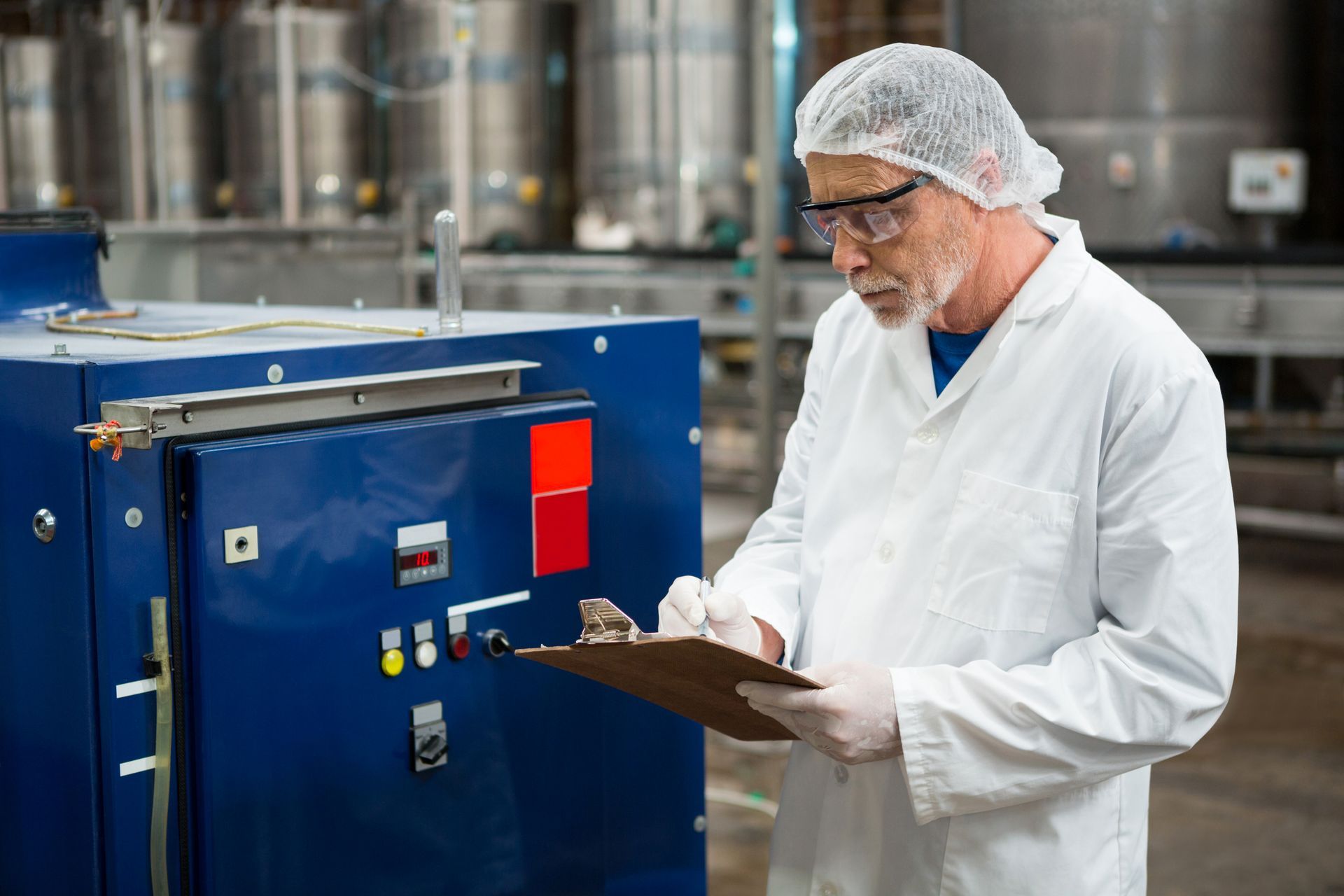
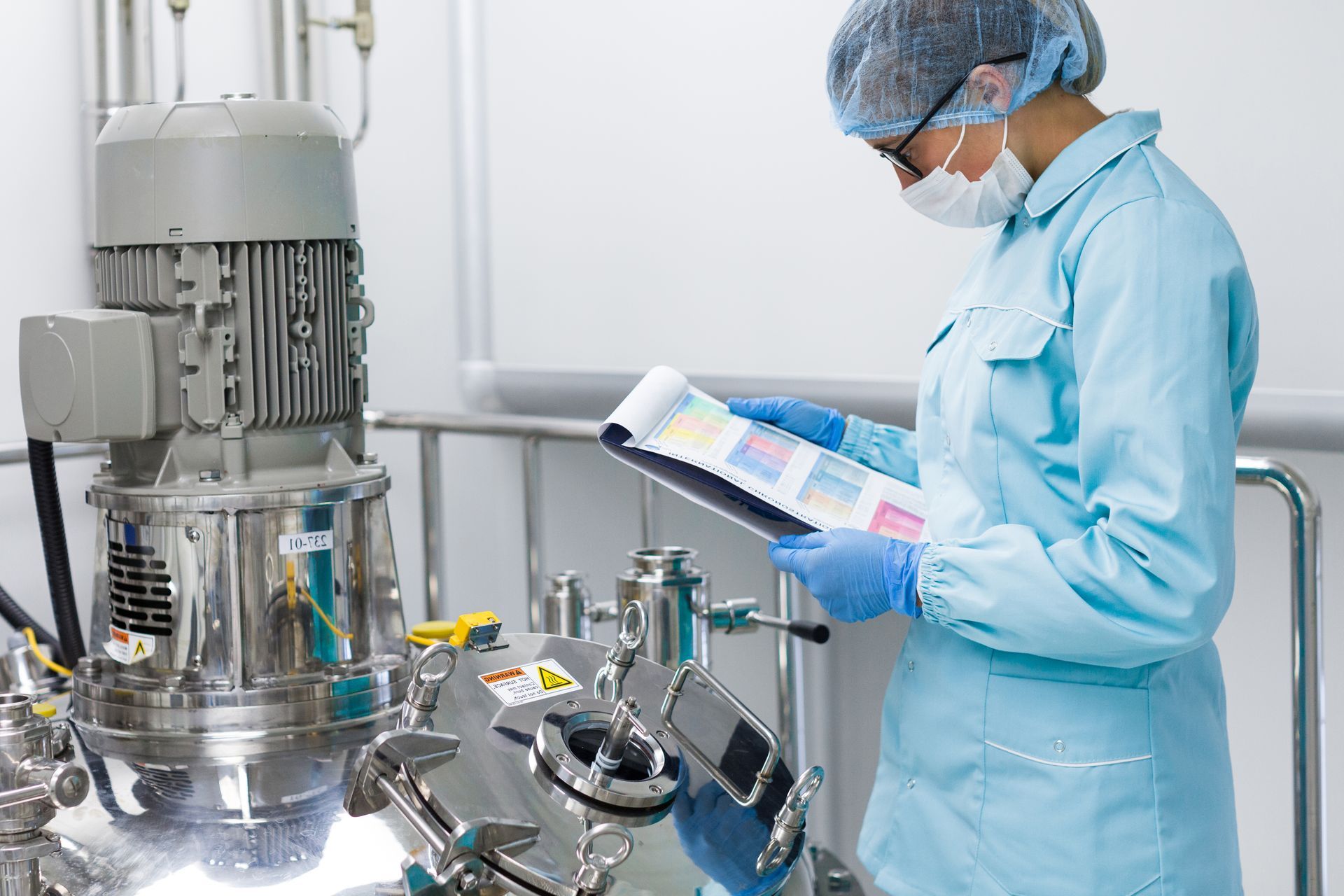
Workers' compensation insurance is designed to protect employees who become injured or ill because of their job responsibilities. In plastic manufacturing facilities, employees may work with injection molding machines, extrusion equipment, cutting tools, industrial heating systems, and chemical substances. Although these processes are necessary for production, they can create potentially dangerous working conditions.
For example, an employee operating a molding machine could suffer a hand injury if proper safety procedures are not followed. Similarly, workers exposed to chemical fumes without adequate ventilation may develop respiratory problems over time. Even seemingly minor activities, such as lifting heavy plastic materials or performing repetitive movements, can result in muscle injuries and other physical conditions.
Workers' compensation helps address these situations by providing eligible employees with financial assistance and medical care while supporting employers in meeting applicable workplace insurance requirements.
What Does Workers' Compensation Cover?
Coverage generally depends on the insurance policy and the workers' compensation laws applicable to the business location. However, policies commonly address several types of work-related injuries and illnesses.
Medical expenses are among the most important components of workers' compensation coverage. If an employee experiences a workplace injury, eligible medical treatment may include emergency services, hospital stays, doctor consultations, prescription medications, physical therapy, and rehabilitation services. This support helps injured workers receive appropriate treatment without carrying the entire financial burden themselves.
Another important component is wage replacement. When an employee cannot perform their regular duties because of an approved workplace injury, workers' compensation may provide a portion of their lost income. The amount and duration of these payments depend on the severity of the injury and the applicable compensation regulations.
Some employees experience injuries that prevent them from returning to their previous responsibilities. In these circumstances, disability benefits may be available. Depending on the circumstances, benefits can address temporary disabilities, permanent impairments, or long-term limitations affecting an employee's ability to work.
Workers' compensation may also provide survivor benefits to eligible family members when a workplace accident or occupational illness results in an employee's death. These benefits can help families manage financial difficulties following an unexpected tragedy.
Common Workplace Hazards in Plastic Manufacturing
Plastic manufacturing environments involve several occupational risks that employers should understand when selecting insurance coverage.
Machinery-related accidents are a significant concern because production facilities frequently use powerful equipment with moving components. Employees can experience cuts, crushing injuries, burns, or amputations if machinery is improperly operated or safety guards are missing.
Chemical exposure is another important issue. Certain manufacturing processes involve resins, solvents, additives, and other industrial substances. Inadequate ventilation or improper handling procedures can expose employees to harmful materials and potentially contribute to respiratory irritation or other occupational health problems.
Heat-related injuries can also occur because plastic molding and extrusion processes often require high temperatures. Employees working near heated equipment or molten materials may experience serious burns if appropriate protective measures are not implemented.
Additionally, repetitive movements and physically demanding tasks can contribute to back pain, joint problems, and repetitive strain injuries. These conditions may develop gradually and affect an employee's ability to continue performing regular production duties.
How Much Does Workers' Compensation Insurance Cost?
The cost of workers' compensation insurance for plastic manufacturing businesses varies according to several factors. There is no universal premium because insurers evaluate each company's workplace risks, payroll, employee classifications, and previous claims history.
Payroll is one of the primary factors influencing insurance costs. Businesses with larger workforces and higher total wages generally have greater exposure to potential compensation claims. Insurance providers typically calculate premiums using payroll figures and classification rates assigned to different job responsibilities.
The nature of manufacturing operations also influences pricing. Employees operating heavy machinery or working with hazardous materials may have different risk classifications from administrative staff. Consequently, a facility with several high-risk production activities may pay more than a business with fewer workplace hazards.
Previous workplace accidents can also affect premiums. Companies with frequent claims or serious injury incidents may face higher insurance costs. On the other hand, maintaining a strong safety record and implementing effective injury prevention programs can help businesses manage insurance expenses.
Other considerations include the company's location, state or regional regulations, insurer pricing methods, and available policy adjustments. Employers should compare suitable insurance proposals carefully rather than selecting coverage based exclusively on the lowest quoted premium.
Benefits of Workers' Compensation for Employees
Workers' compensation provides valuable protection for employees working in demanding manufacturing environments. One of its biggest advantages is access to financial assistance following a workplace injury. Without this protection, an injured employee may struggle to pay medical expenses while dealing with reduced income.
The availability of medical benefits also encourages workers to seek treatment promptly. Early medical attention can prevent certain injuries from becoming more serious and may improve the chances of a successful recovery.
Rehabilitation support is another valuable benefit. Employees recovering from workplace injuries may require physical therapy, occupational rehabilitation, or specialized medical care before returning to their regular duties. Appropriate support can help them regain mobility, strength, and confidence.
Workers' compensation can also provide peace of mind. Employees who understand that workplace injury protection is available may feel more secure while performing their responsibilities. This can contribute to improved workplace morale and stronger relationships between employees and management.
Why Employers Benefit from Workers' Compensation Insurance
Workers' compensation is not only valuable for employees; it also plays an important role in protecting manufacturing businesses.
Unexpected workplace injuries can create substantial financial challenges. Medical expenses, employee absence, rehabilitation requirements, and potential legal disputes can disrupt normal business operations. Having appropriate workers' compensation coverage helps employers manage eligible costs associated with covered workplace incidents.
Insurance protection can also support business continuity. When an employee is injured, the company can focus on arranging medical assistance, managing staffing requirements, and maintaining production schedules instead of handling every expense without insurance support.
Another important advantage is compliance with applicable workplace regulations. Many jurisdictions require employers to maintain workers' compensation insurance or provide an approved alternative. Following these requirements helps businesses avoid potential penalties and other legal complications.
Furthermore, investing in workplace safety and insurance protection can strengthen a company's reputation. Employees, business partners, and customers are more likely to value organizations that demonstrate a genuine commitment to worker protection.
Ways to Reduce Workers' Compensation Expenses
Plastic manufacturers can take practical steps to reduce workplace injuries and control insurance expenses. Regular employee training is particularly important because workers need to understand machinery operation, chemical handling procedures, emergency responses, and protective equipment requirements.
Businesses should also maintain machinery properly and install suitable safety guards around dangerous equipment. Routine inspections can identify potential mechanical problems before they result in accidents.
Providing personal protective equipment, improving ventilation, maintaining clean production areas, and establishing clear workplace safety procedures can further reduce occupational risks.
Employers should also investigate workplace accidents carefully to identify their underlying causes. Correcting unsafe conditions and monitoring safety performance can help prevent similar incidents from happening again.

Recent News