How Much Does Workers’ Comp Insurance Cost for EEG Technicians in California?
See How We're Different
or call us: 866-226-4436
How Much Does Workers’ Comp Insurance Cost for EEG Technicians in California?

One of the most common questions healthcare employers ask is how much workers’ compensation insurance costs for EEG technicians in California. The answer depends on several factors, including employee payroll, job responsibilities, workers’ compensation classification codes, workplace safety practices, claims history, and the insurance carrier's underwriting guidelines.
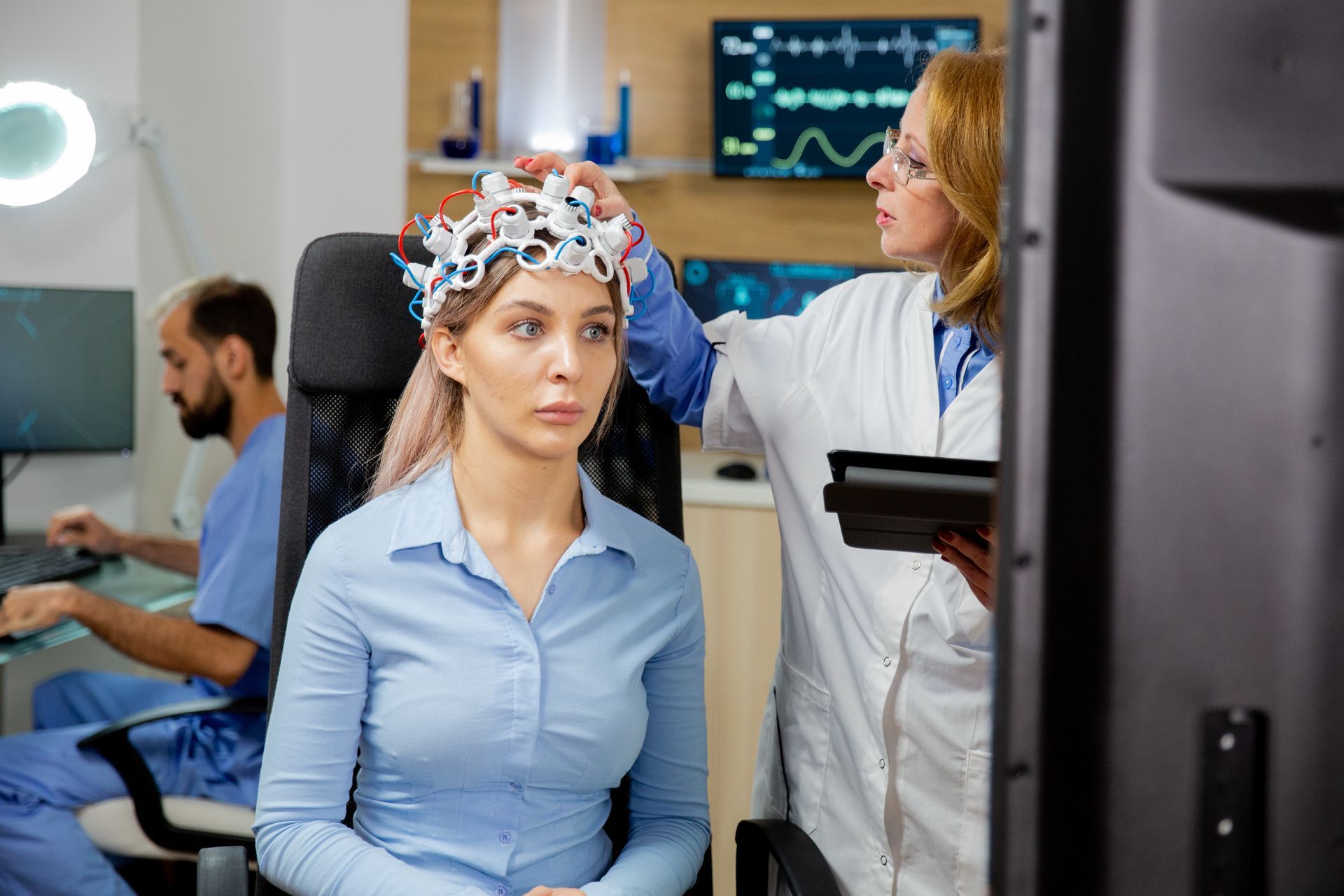
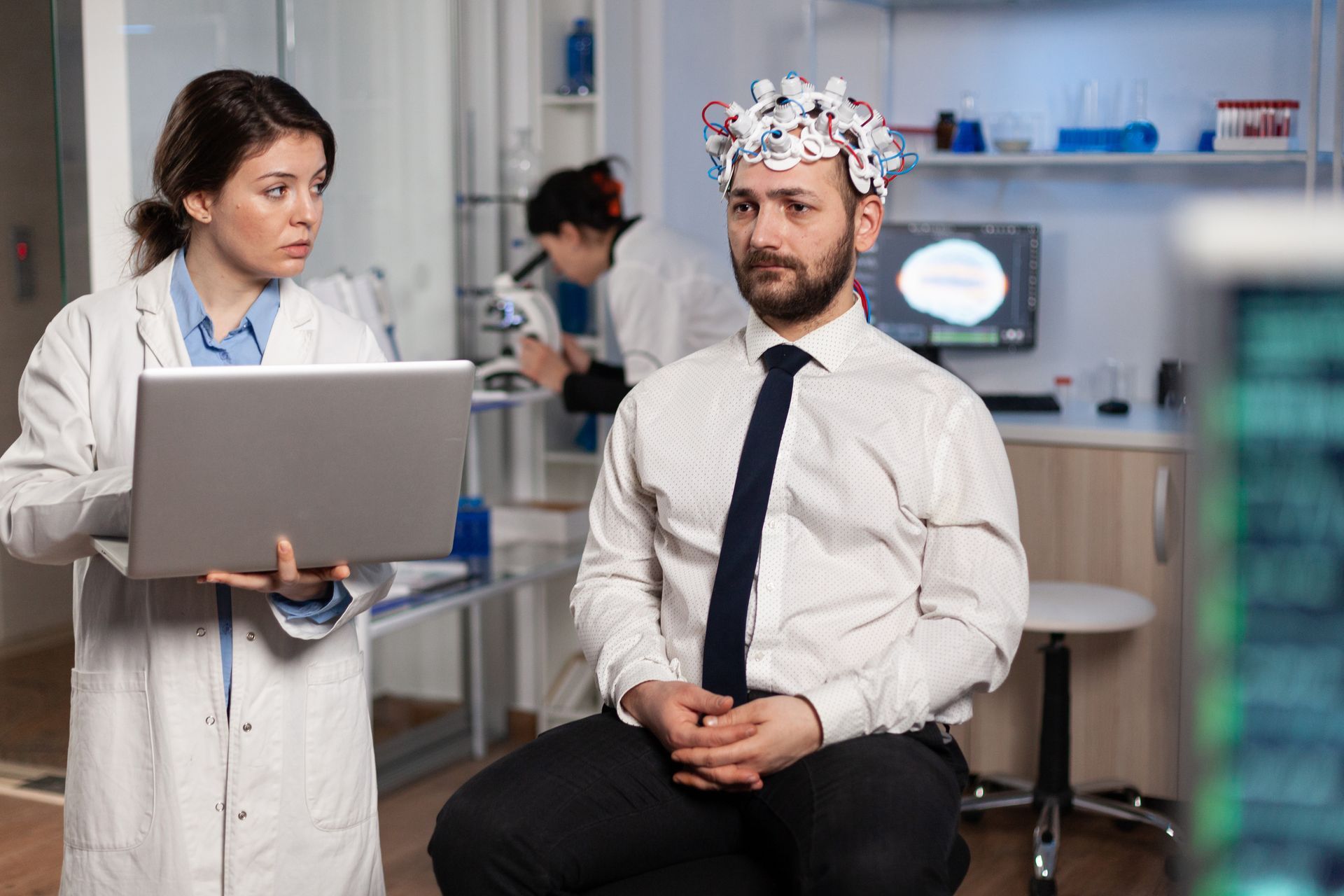
EEG technicians generally perform specialized diagnostic work involving the preparation of patients, placement of electrodes, operation of electroencephalography equipment, and monitoring of brain activity. Although these responsibilities are different from many physically demanding healthcare occupations, EEG technicians can still experience workplace injuries and occupational illnesses that may qualify for workers’ compensation benefits.
Understanding how insurers calculate premiums can help medical employers obtain appropriate coverage without paying more than necessary.
Understanding Workers’ Compensation Insurance for EEG Technicians
Workers’ compensation insurance provides financial protection when employees experience work-related injuries or illnesses. In California, most employers with employees are required to maintain workers’ compensation coverage, including healthcare organizations that employ EEG technicians.
The insurance generally helps cover eligible medical expenses, a portion of lost wages, disability benefits, and other benefits provided under California workers’ compensation law.
For an EEG technician, workplace risks may include repetitive movements, prolonged standing, lifting or repositioning patients, exposure to infectious materials, accidental slips, and ergonomic injuries associated with working at computer stations and diagnostic equipment.
Even when a healthcare position is considered relatively low risk, employers should not assume that workers’ compensation insurance will automatically be inexpensive. Insurance companies evaluate the actual work performed, the employer's industry, payroll exposure, and other underwriting factors before determining the final premium.
What Is the Average Cost of Workers’ Comp Insurance for EEG Technicians in California?
There is no single statewide workers’ compensation premium specifically established for EEG technicians. California insurers calculate premiums using occupational classifications, applicable rates, employee payroll, and other rating factors.
As a result, two medical practices employing EEG technicians with similar salaries may receive different insurance quotes.
The most important starting point is the employee's workers’ compensation classification. Insurance carriers use classification codes to group employees according to the nature of their work and associated workplace risks. An EEG technician working in a hospital may be classified differently from someone performing diagnostic testing in an independent outpatient facility, depending on the actual duties and applicable classification rules.
Employers should therefore avoid relying on a general healthcare workers’ compensation estimate when preparing their insurance budgets. A classification review is necessary to determine which rate applies to the specific workplace and job responsibilities.
For budgeting purposes, employers should request quotes based on their actual annual payroll and the correct classification rather than assuming that every EEG technician receives the same insurance rate.
Key Factors That Affect Workers’ Compensation Insurance Costs
Employee Payroll and Annual Wages
Employee payroll is one of the biggest factors affecting workers’ compensation insurance premiums. Insurance companies generally calculate the base premium using the amount of payroll assigned to each occupational classification.
For example, an EEG technician earning an annual salary of $65,000 creates a different payroll exposure from a technician earning $90,000. If a medical practice employs several EEG technicians, the combined payroll increases the amount used in calculating the insurance premium.
Employers should also understand that workers’ compensation payroll calculations may include salaries, bonuses, commissions, vacation pay, and other forms of remuneration. Certain payments may qualify for exclusions under applicable rules.
Accurate payroll reporting is essential because insurance companies can conduct payroll audits to determine whether the original estimates reflect actual employee compensation. Incorrect payroll estimates can result in additional premium charges or adjustments after the policy period.
Workers’ Compensation Classification Codes
Classification codes are particularly important for EEG technicians because their insurance costs depend on the nature of their work and the employer's operations.
An EEG technician employed by a hospital may perform duties within a different operational environment than a technician working in a small neurology clinic or an independent diagnostic testing facility.
Insurance companies review the employer's business operations, employee responsibilities, and applicable California classification rules before assigning the appropriate code.
Employers should not automatically classify EEG technicians under a general clerical or administrative category simply because they spend considerable time working with computers and diagnostic equipment.
Similarly, an employer should not assume that every healthcare employee belongs under the same classification. Administrative personnel, medical professionals, diagnostic technicians, and other healthcare workers may require separate classifications depending on their actual duties and applicable rules.
Having the correct classification is important because an incorrect assignment can lead to inaccurate premium calculations, unexpected audit adjustments, and potential insurance compliance issues.
Workplace Safety and Previous Insurance Claims
An employer's workplace safety history can influence workers’ compensation insurance costs. Insurance carriers evaluate previous workplace injuries, reported claims, and the financial impact of those claims when assessing an employer's risk.
For EEG technicians, common workplace hazards include repetitive strain injuries, neck and back discomfort, patient handling incidents, exposure to infectious materials, and injuries caused by slips or falls.
A healthcare facility that provides appropriate training, maintains clean examination rooms, follows infection prevention procedures, and uses ergonomic equipment may reduce the likelihood of workplace accidents.
Employers should also establish clear procedures for reporting workplace injuries and documenting incidents. Early reporting and appropriate claims management can help prevent minor workplace problems from developing into more expensive claims.
Experience Modification Rate
Another important factor is the experience modification rate, commonly known as the experience modification factor or X-Mod.
This rating compares an eligible employer's historical workers’ compensation losses with the expected losses of similar businesses. Employers with better-than-average claims experience may receive a more favorable experience modification, while employers with higher-than-expected losses may receive an increased rating.
For example, a medical practice with a favorable claims history may have a lower experience modification than a comparable practice with repeated workplace injury claims.
The experience modification can directly influence the final insurance premium. California's Workers’ Compensation Insurance Rating Bureau uses payroll and claims information to calculate experience modifications for eligible employers.
How Is Workers’ Comp Insurance Calculated for EEG Technicians?
Workers’ compensation insurance premiums are generally calculated using the applicable classification rate and the employee's payroll.
The basic calculation starts by dividing the annual payroll assigned to a classification by $100 and multiplying the result by the applicable insurance rate.
For example, consider a hypothetical outpatient neurology clinic employing one EEG technician with an annual payroll of $65,000.
If the applicable insurance rate were hypothetically $2.00 per $100 of payroll, the base premium calculation would be $1,300.
This is only an illustration of how the calculation works. The $2.00 rate is not an established California rate for EEG technicians, and the actual premium could be higher or lower depending on the assigned classification, insurer, experience modification, and other applicable adjustments.
The final premium may also include policy fees, assessments, and other charges. The insurer may adjust the premium following a payroll audit at the end of the policy period.
California's Department of Insurance explains that classification rates, payroll, and premium modifications are central elements of workers’ compensation premium calculations.
California Department of Insurance+1
Do Small EEG Clinics Pay Less for Workers’ Compensation Insurance?
Small EEG clinics may have lower total workers’ compensation premiums than larger healthcare organizations because they generally have fewer employees and lower overall payroll exposure.
However, a smaller workforce does not automatically guarantee a lower insurance rate.
A clinic employing one EEG technician may still have to pay a minimum policy premium, depending on the insurance carrier's underwriting requirements. The business may also have other employees, such as medical assistants, receptionists, billing specialists, and administrative staff, whose payroll must be considered.
For smaller medical practices, it is particularly important to obtain an accurate classification review and provide realistic payroll estimates.
An independent diagnostic facility should also explain whether its technicians perform testing exclusively at the clinic or travel to other healthcare facilities. These operational details may be relevant to the insurer's classification and underwriting review.

Recent News