
Why Equipment Dealerships in California Need Workers’ Compensation Insurance
See How We're Different
or call us: 866-226-4436
Why Equipment Dealerships in California Need Workers’ Compensation Insurance
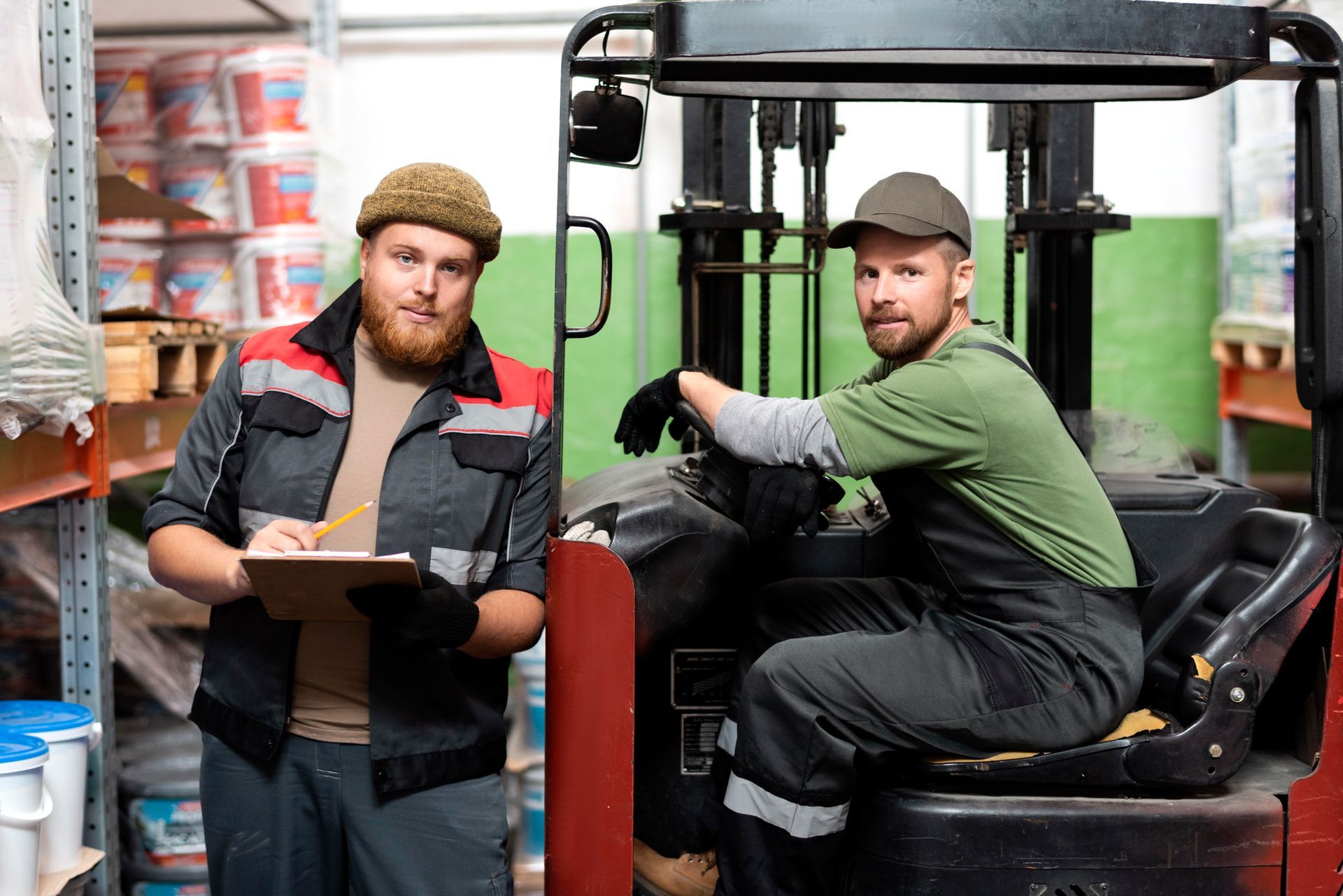
Equipment dealerships play an important role in California’s construction, agriculture, transportation, landscaping, and industrial sectors. From selling heavy machinery and forklifts to servicing tractors, excavators, and commercial equipment, these businesses depend on skilled employees to keep daily operations running smoothly. However, working around heavy machinery, lifting equipment, moving vehicles, and operating repair facilities can expose employees to significant workplace hazards.
For equipment dealerships, workers’ compensation insurance is more than an administrative requirement. It is an essential part of protecting employees, managing business risks, and maintaining operational stability. Understanding why this coverage matters can help dealership owners make informed decisions and build a safer workplace.
Understanding Workers’ Compensation Insurance in California
Workers’ compensation insurance provides benefits to employees who experience work-related injuries or illnesses. Depending on the circumstances, these benefits can include medical treatment, partial wage replacement during recovery, disability benefits, and support for returning to work.
In California, employers generally must secure workers’ compensation coverage as required by state law, even if they employ only one employee. Businesses typically obtain coverage through an authorized insurance company or the State Compensation Insurance Fund. Eligible employers may also qualify for an approved self-insurance arrangement.
For equipment dealerships, compliance is particularly important because employees often perform a combination of sales, warehouse, transportation, maintenance, and repair duties. Each role can present different risks that should be considered when arranging insurance coverage.
Protecting Employees From Equipment-Related Injuries
One of the main reasons equipment dealerships need workers’ compensation insurance is the potential for workplace injuries. Heavy machinery and industrial equipment can create dangerous situations when employees operate, inspect, transport, or repair them.
Technicians may suffer crush injuries while working on hydraulic systems or replacing heavy components. Warehouse employees can experience back injuries from lifting parts, while sales personnel may face risks when demonstrating machinery or walking through equipment storage areas. Employees who move vehicles around dealership premises may also encounter collision hazards.
Even with proper training and safety procedures, accidents can happen. Workers’ compensation helps eligible employees access medical care and receive applicable benefits following a covered workplace injury or illness.
This protection can provide employees with greater financial security during recovery. It also demonstrates that the dealership takes its responsibilities toward its workforce seriously.
Meeting California’s Legal Requirements
Compliance with California workers’ compensation law is a major consideration for every equipment dealership with employees. Operating without the required coverage can expose a business to significant legal and financial consequences.
California employers must generally maintain an effective workers’ compensation insurance plan or qualify for an authorized self-insurance alternative. Failing to secure required coverage can result in penalties, a stop order preventing business operations, and potential criminal consequences under applicable law.
For a dealership, an interruption in operations can affect equipment deliveries, repair appointments, customer relationships, and revenue. The consequences may extend beyond the immediate cost of resolving an insurance violation.
Business owners should also understand their responsibilities when hiring employees, including providing required information about workers’ compensation rights and displaying the appropriate workplace notice. Keeping policy documents current and reviewing coverage whenever staffing or operations change can help reduce compliance risks.
Managing the Financial Impact of Workplace Accidents
A workplace accident can create expenses that extend beyond an employee’s immediate medical needs. Depending on the circumstances, a dealership may experience lost productivity, replacement staffing costs, repair delays, administrative demands, and disruptions to customer service.
Without required workers’ compensation coverage, an employer can face substantial financial exposure for work-related injuries, in addition to legal penalties. An insurance policy helps provide a structured process for handling covered claims and paying applicable benefits.
Consider a dealership technician who injures their back while repairing a large agricultural machine. The employee may need medical treatment and time away from work. Workers’ compensation can help cover eligible medical expenses and partial wage replacement according to California law and the applicable policy.
Although insurance cannot eliminate every business expense associated with an accident, it can significantly reduce the uncertainty of managing covered workplace injury claims.
Supporting Service Technicians and Maintenance Teams
Service departments are particularly important when evaluating workplace risks at equipment dealerships. Technicians may work with electrical systems, hydraulic components, heavy attachments, lubricants, and machinery that requires specialized handling procedures.
Routine maintenance can become hazardous when equipment is not properly secured or when stored energy is released unexpectedly. Repetitive movements, awkward working positions, and prolonged physical activity can also contribute to occupational injuries over time.
Workers’ compensation coverage should therefore be considered alongside a comprehensive workplace safety program. Dealerships should train technicians to follow manufacturer instructions, use appropriate protective equipment, secure machinery before maintenance, and follow established procedures for controlling hazardous energy.
Regular equipment inspections and clear safety protocols can help reduce the likelihood of injuries. A safer workplace may also contribute to more consistent service operations and improved employee confidence.
Protecting Warehouse, Delivery, and Sales Employees
The risks associated with equipment dealerships are not limited to repair shops. Warehouse employees may handle heavy spare parts, operate forklifts, organize inventory, and load equipment for delivery. Delivery personnel may encounter transportation hazards, while sales representatives may demonstrate machinery in yards, warehouses, or customer locations.
Each of these activities creates different exposure to potential injuries. Slips, falls, lifting injuries, vehicle incidents, and contact with moving machinery can affect employees across multiple departments.
Dealership owners should review how work is actually performed rather than assuming that office-based or customer-facing roles are automatically low risk. Accurate employee classifications and payroll reporting are important when obtaining and maintaining workers’ compensation coverage.
Businesses should also discuss employees who travel to customer sites, temporary staffing arrangements, and other unusual work situations with their insurance broker to clarify how coverage applies.
How Workers’ Compensation Insurance Costs Are Determined
The cost of workers’ compensation insurance varies according to several factors. These may include the dealership’s employee classifications, payroll, claims history, experience modification factor, and insurer-specific underwriting practices.
A dealership with technicians performing heavy machinery repairs may have a different risk profile from a business primarily engaged in equipment sales. The precise classification depends on the work performed and applicable classification rules, rather than simply the company’s name or industry label.
Dealerships can work with a licensed insurance broker to review their operations, verify employee classifications, compare available policies, and identify opportunities to improve risk management. Maintaining accurate payroll records and promptly reporting workplace injuries can also support effective policy administration.
Rather than selecting a policy based exclusively on its premium, business owners should consider coverage terms, claims support, insurer service, and the suitability of the policy for their actual operations.
Building a Safer and More Resilient Dealership
Workers’ compensation insurance is an essential consideration for equipment dealerships operating in California. It helps provide benefits to eligible employees following work-related injuries, supports compliance with state law, and reduces the financial uncertainty associated with covered claims.
However, insurance works best when combined with proactive safety practices. Employee training, equipment maintenance, hazard assessments, appropriate protective equipment, and clear injury-reporting procedures all contribute to a stronger workplace safety culture.
Dealership owners should regularly review their insurance arrangements as their workforce, inventory, and service activities evolve. Consulting a qualified insurance professional can help ensure that the business understands its obligations and has appropriate protection in place.
Ultimately, investing in workers’ compensation insurance is about more than fulfilling a legal requirement. It is about protecting the people who keep the dealership operating, supporting business continuity, and building a responsible organization prepared to manage workplace risks.

Recent News