
2025 Workers Comp Requirements Every Gas Station Owner Must Know | WIMC
May 15, 2025
See How We're Different
or call us: 866-226-4436
2025 Workers Comp Requirements Every Gas Station Owner Must Know
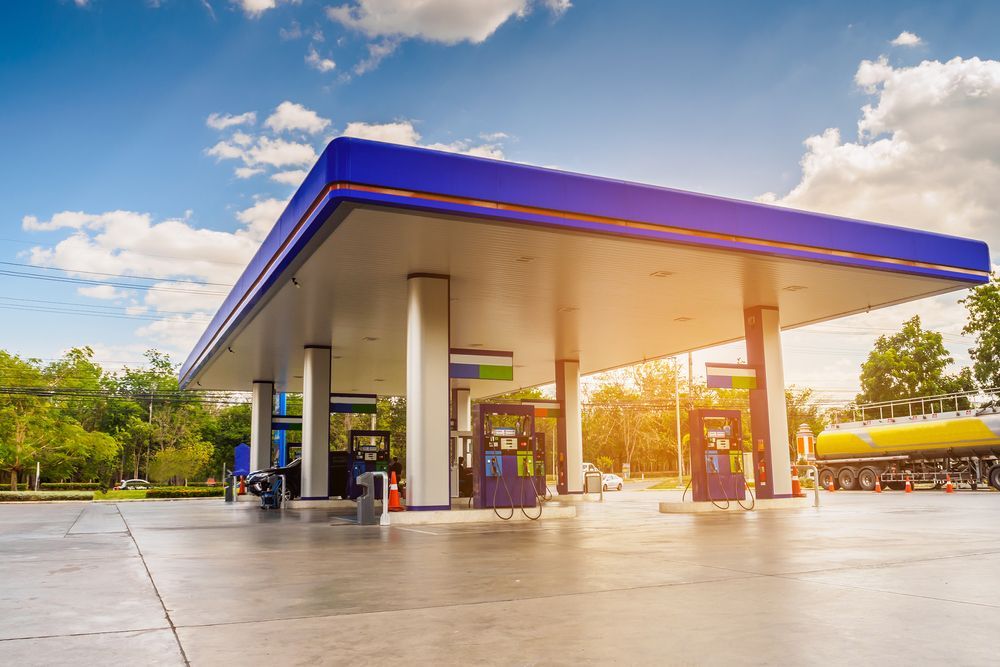
As a gas station owner, you are responsible for maintaining a safe and efficient operation while ensuring your employees are well-protected in the event of workplace injuries. One of the most crucial aspects of this responsibility is understanding and adhering to the workers' compensation requirements that govern your business. Workers' compensation (workers' comp) is a type of insurance that provides financial support and medical benefits to employees who are injured on the job. This system is designed to protect both the employer and the employee by ensuring that workers can receive the care they need without the need for a lengthy lawsuit process.
With the changes on the horizon for 2025, it’s more important than ever for gas station owners to stay updated on the latest workers' comp laws and regulations. These updates may affect various aspects of your business, from the coverage requirements to the premiums you pay and the claims process. In this blog, we will delve deeply into the 2025 workers' compensation requirements that every gas station owner must know to ensure compliance and protect your employees.
Understanding the Basics of Workers’ Compensation
Before diving into the specific 2025 updates, it's essential to understand the core principles behind workers' compensation. The primary purpose of workers' comp is to provide financial assistance to employees who sustain injuries or illnesses in the workplace. These injuries can range from slip-and-fall accidents to more severe incidents such as burns, fractures, or even fatalities.
Workers' compensation benefits typically include coverage for medical expenses, lost wages, disability payments, and rehabilitation. In exchange for these benefits, employees generally give up their right to sue the employer for negligence. This trade-off helps avoid lengthy and costly legal battles while ensuring that injured employees receive timely support.
Why Workers’ Comp is Crucial for Gas Station Owners
Gas stations present a unique set of risks for workers, making workers' compensation insurance particularly vital in this industry. Employees at gas stations often handle hazardous materials such as gasoline and other chemicals. There is also a higher risk of accidents related to fuel spills, slips on wet surfaces, and injuries caused by the physical demands of the job, such as lifting heavy equipment or servicing vehicles.
In addition to physical injuries, gas station workers are exposed to long-term health risks, including exposure to fumes or working in high-stress environments. With this in mind, gas station owners must provide adequate workers’ compensation insurance coverage to ensure their employees are protected.
Failing to comply with workers' compensation laws can result in significant financial penalties and potential lawsuits. Therefore, staying updated on the latest regulations is essential to both the safety of your employees and the long-term viability of your business.
2025 Workers' Comp Updates Gas Station Owners Should Know
As we approach 2025, several changes are expected to impact the workers' compensation landscape. These updates will affect coverage limits, premiums, and claims procedures, and gas station owners need to be aware of them in order to remain compliant and manage their businesses effectively.
Expanded Coverage for Mental Health Injuries
In recent years, there has been a growing focus on mental health in the workplace, and workers' compensation laws are starting to reflect this shift. By 2025, it is expected that workers’ comp will increasingly cover mental health injuries, such as stress, anxiety, and depression, especially in high-risk environments like gas stations.
Employees working in stressful conditions or dealing with the physical demands of their job may experience mental health challenges, and these should be acknowledged within the scope of workers' compensation. Gas station owners may need to provide support for employees who suffer from work-related stress or mental health conditions, including access to counseling services and coverage for mental health treatment.
Increased Premiums and Coverage Requirements
In 2025, there will likely be an increase in premiums for workers' compensation insurance, as insurers assess the increased risks associated with certain industries, including gas stations. The rising costs of insurance may be attributed to several factors, including the growing number of workplace injuries, changes in medical care costs, and adjustments to workers' comp regulations.
Gas station owners should prepare for potential premium increases by regularly reviewing their insurance policies and shopping around for competitive rates. Additionally, it may be beneficial to invest in safety programs and employee training to reduce the risk of claims and mitigate premium hikes. Insurers may also reward businesses that demonstrate a proactive approach to safety by offering lower premiums.
Changes to Claims Reporting and Processing
The process for reporting and processing workers' compensation claims is expected to evolve significantly by 2025. Many states are moving towards a more streamlined and digital claims process, which will allow for faster filing and resolution of claims. For gas station owners, this means staying up to date on new reporting requirements and ensuring that your employees know how to file a claim if they are injured on the job.
Owners may also be required to implement new protocols for documenting and managing claims to ensure compliance with the updated regulations. This includes maintaining accurate records of all workplace injuries, reporting incidents in a timely manner, and following up with employees to ensure that their medical needs are met.
Changes to State-Specific Workers’ Comp Requirements
While there are federal guidelines that dictate the basics of workers' compensation, each state has its own set of regulations and requirements. These state-specific laws can affect everything from the amount of coverage required to the types of injuries that are covered under workers' comp.
Gas station owners should be aware of any changes to state workers' comp requirements for 2025. For example, certain states may impose stricter rules regarding employee classification, injury documentation, or coverage amounts. As a gas station owner, you’ll need to consult with a workers' comp insurance expert in your state to ensure that your coverage meets all the necessary requirements.
Increased Focus on Employee Safety Programs
One of the most significant trends in workers' compensation law is the increasing focus on workplace safety. In 2025, gas station owners can expect more regulations around employee safety programs, including mandatory safety training, hazard identification, and incident reporting.
By investing in safety programs and promoting a culture of safety, gas station owners can not only protect their workers but also reduce the likelihood of injuries and workers' comp claims. Programs that focus on the proper handling of hazardous materials, equipment safety, and emergency procedures will become increasingly important.
Adjustments to Workers’ Comp Benefits for Independent Contractors
In the past, workers' comp coverage typically applied to full-time employees. However, with the rise of gig economy workers and independent contractors, there is a growing push for broader coverage for these individuals.
In 2025, more gas stations may be required to extend workers' compensation benefits to independent contractors working at their locations, such as delivery drivers, security personnel, or even cleaning staff. Gas station owners must be aware of these potential changes and how they may impact their workers' comp policies, ensuring that they are offering the appropriate coverage for all types of workers.
Increased Scrutiny of Fraudulent Claims
Another significant change expected in 2025 is increased scrutiny of fraudulent workers' comp claims. As the volume of claims rises, so too does the potential for fraudulent or exaggerated claims. This trend has led to greater emphasis on the investigation and verification of claims to prevent abuse of the system.
Gas station owners will likely need to implement stricter internal controls for monitoring workplace injuries and ensuring that claims are legitimate. This may involve conducting regular audits of workers' comp claims, using technology to track injuries, and ensuring proper documentation for each claim. Taking steps to prevent fraud will help ensure that your business is protected from unnecessary costs.
More Transparent Workers’ Comp Policies
In 2025, gas station owners can expect more transparency from insurance companies when it comes to workers' compensation policies. Insurers are beginning to offer clearer information on how premiums are calculated, what specific coverage is included, and how claims are processed.
Gas station owners will benefit from this increased transparency, as it will allow them to better understand their workers' comp policies and make more informed decisions about their coverage. By reviewing policy details closely and asking insurers for clear explanations of their coverage terms, owners can ensure they have the right level of protection for their employees.
How Gas Station Owners Can Prepare for 2025 Workers’ Comp Changes
The best way to ensure compliance with the 2025 workers' compensation changes is to start preparing now. Gas station owners should take the following steps to stay ahead of the curve:
- Review Your Workers’ Comp Policy: Work with your insurance provider to review your existing policy and understand how upcoming changes may affect your coverage. Update your policy as needed to ensure that it aligns with 2025 requirements.
- Invest in Employee Training: Provide your employees with regular safety training to reduce the risk of injuries. The more proactive you are in preventing accidents, the less likely you will face workers' comp claims and premium hikes.
- Stay Informed: Keep up to date with the latest state and federal workers' compensation laws. Consider consulting a workers' comp attorney or insurance expert to navigate the complexities of the new regulations.
- Implement Safety Programs: Create and enforce safety protocols to reduce workplace hazards and encourage employees to report potential safety issues. This will help reduce the number of accidents and injuries, ultimately lowering your workers' comp costs.
- Review Independent Contractor Coverage: If you hire independent contractors, ensure that they are properly covered under your workers' compensation policy. Review how changes to the law may affect your obligations.

Recent News

10 Key Factors to Consider When Selling Workers Comp Insurance in California

California Workers Comp Insurance Explained: A Guide for Agents and Brokers

Workers Comp Insurance California: What Every Insurance Broker Needs to Know

How Insurance Agents Can Help California Businesses Find the Right Workers Comp Insurance

Workers Comp Insurance California: A Complete Guide for Insurance Agents and Brokers

California Workers' Compensation Insurance for Butcher Shops: What You Need to Know

How to Find Affordable Workers Comp Insurance in California for Butcher Shops

Workers Comp Insurance for Butcher Shops in California: Costs, Coverage, and Benefits

Why Butcher Shops in California Need Workers' Compensation Insurance

Workers Comp Insurance California for Butcher Shops: A Complete Guide for Owners