
Avoid These 5 Mistakes When Buying Workers Comp for Your Gas Station | WIMC
May 15, 2025
See How We're Different
or call us: 866-226-4436
Avoid These 5 Mistakes When Buying Workers Comp for Your Gas Station
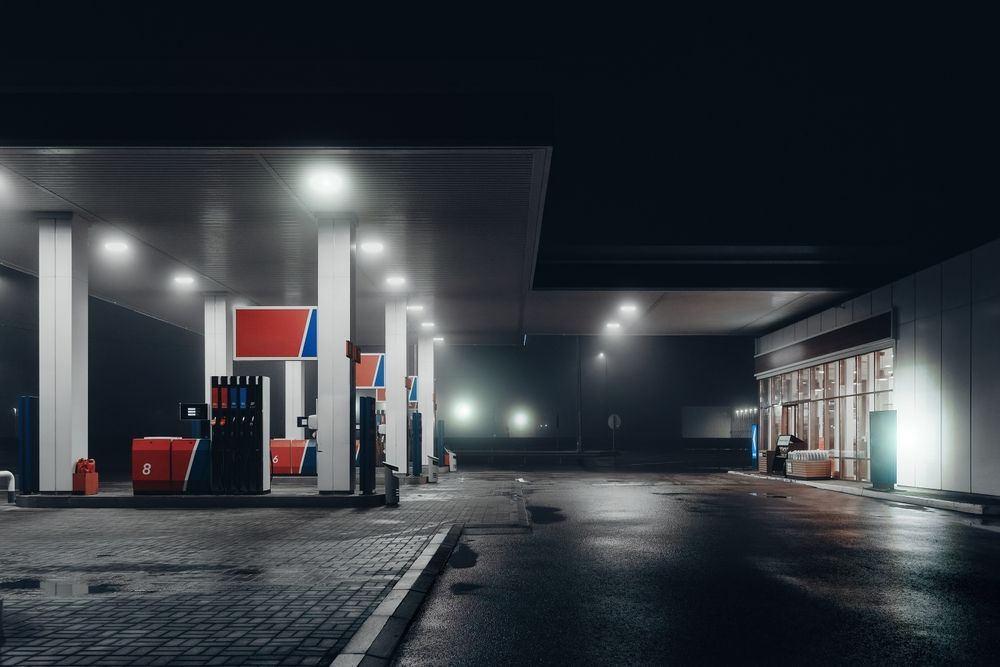
Running a gas station comes with unique challenges and responsibilities, and one of the most critical aspects of ensuring the safety and well-being of your employees is securing workers' compensation insurance. Workers' comp is not only a legal requirement in most states, but it also serves as a vital safeguard for both you and your employees in the event of workplace injuries. However, like any type of insurance, it’s crucial to make informed decisions when purchasing workers' compensation coverage to ensure you get the best protection for your business and workforce.
Gas stations, being high-risk environments, require a specific approach to workers' compensation. Employees at gas stations face a variety of hazards, including accidents from handling fuel, slips, trips, falls, and other safety risks that can lead to injury. As a business owner, making mistakes when purchasing workers' comp can lead to financial burdens, legal consequences, and gaps in coverage that may leave you exposed. This article will guide you through the most common mistakes gas station owners make when buying workers' compensation insurance and explain how to avoid them.
Underestimating the Risks Specific to Gas Stations
One of the most significant mistakes gas station owners make when purchasing workers' comp insurance is underestimating the unique risks associated with running a gas station. Many business owners may assume that the risks involved are similar to other industries or forget to factor in the specific hazards their employees face while working in such an environment.
Gas stations are high-risk locations due to the nature of the work. Employees work around highly flammable materials, heavy equipment, and chemicals. Whether they are handling fuel, performing maintenance on vehicles, or managing the store, workers face risks that require specialized coverage. Failing to take these risks into account can lead to purchasing inadequate coverage, leaving you unprotected in case of an accident.
To avoid this mistake, it’s essential to fully assess the specific hazards in your gas station. You should work with an insurance agent who understands the risks of gas stations and can tailor the workers' comp policy to your unique situation. Understanding the full range of risks—from the potential for burns and chemical exposure to slips and falls—will help you secure coverage that is specific to the needs of your business.
Choosing the Cheapest Policy Without Considering Coverage
It’s tempting to shop around for the cheapest workers’ comp policy, but doing so can leave your gas station and employees vulnerable. While keeping costs down is essential for any business, the cheapest policy might not provide the comprehensive protection your business requires.
The cost of workers' comp insurance is typically based on factors such as the type of business, the size of the business, the number of employees, and the specific risks associated with the job. However, if you prioritize a lower premium without ensuring the policy adequately covers your gas station's needs, you risk facing significant financial and legal consequences should an accident occur.
For instance, if an employee sustains serious injuries due to a lack of proper coverage, the financial burden can extend far beyond what a low-cost policy would save you. Additionally, some policies may have limited coverage options, such as exclusions for certain types of accidents or injuries, or they may not cover the full medical expenses of an injured worker.
Before making a decision, carefully review the terms of the policy, including the coverage limits, exclusions, and any additional riders or options that might be necessary to fully protect your employees. Balance the cost of the policy with the level of coverage to ensure you are not sacrificing protection for the sake of saving a few dollars.
Failing to Report Changes in Your Business
As your gas station grows and evolves, so do your insurance needs. One common mistake many business owners make is failing to report changes in their operations to their insurance provider. Whether it’s a change in the number of employees, modifications to the services you offer, or changes in the physical structure of the gas station, not updating your workers' compensation policy can result in gaps in coverage or overpaying for unnecessary coverage.
For example, if you expand your gas station to include a convenience store or introduce a car wash service, this could affect the risk profile of your business. More employees or different types of tasks increase the likelihood of certain injuries occurring, which means your workers’ comp insurance needs to be adjusted accordingly. Similarly, if you’ve added new equipment or expanded your hours of operation, this could also affect your policy.
It’s vital to maintain open communication with your insurance provider, especially when any significant changes take place. Regularly review your policy and make sure that the coverage still aligns with your current business needs. Failure to do so could leave you exposed in the event of an accident that your current policy doesn’t cover, or you could be paying for coverage you no longer need.
Misclassifying Employees or Contractors
Another common mistake gas station owners make is misclassifying employees or contractors. The way your workers are classified can have a significant impact on your workers' compensation premiums and coverage. Misclassification may seem like an innocent error, but it can lead to serious legal and financial consequences.
In many cases, business owners mistakenly classify their employees as independent contractors to avoid paying higher insurance premiums. Independent contractors are not typically covered under workers' compensation insurance in the same way employees are. If a worker is injured on the job and has been misclassified, the insurance may not cover their medical bills or lost wages, leading to costly lawsuits and potential fines.
Similarly, if you classify employees with low-risk tasks as higher-risk workers to lower your premiums, this can also create problems. Insurers may perform audits, and if they discover misclassification, they could adjust your premiums, charge back the underpaid premiums, or even cancel your policy.
To avoid these issues, ensure that you properly classify all workers according to their job roles and duties. If you’re unsure about the proper classification, consult with your insurance provider or a legal expert who can help you make the right decision. Accurate classification will ensure your workers are covered appropriately and your insurance premiums are accurate.
Ignoring the Importance of a Safety Program
A strong safety program is essential for reducing workplace injuries and minimizing your workers' compensation premiums. However, many gas station owners fail to implement or actively manage an effective safety program, which can lead to higher claims and increased premiums.
A well-established safety program reduces the likelihood of injuries by proactively identifying potential hazards and taking steps to mitigate them. This can include safety training, regular inspections, and establishing clear protocols for dealing with hazardous materials. Having a safety program in place not only reduces the number of workplace injuries but also demonstrates to your insurance provider that you are committed to maintaining a safe working environment, which may help lower your premiums.
If your gas station does not currently have a safety program in place, now is the time to implement one. Ensure that all employees are trained on proper safety procedures, and provide them with the resources they need to do their jobs safely. Regularly evaluate the effectiveness of the program, and make adjustments as needed. Additionally, be sure to keep records of all safety training and inspections, as this documentation may be required by your insurance provider during audits or claims processes.

Recent News

10 Key Factors to Consider When Selling Workers Comp Insurance in California

California Workers Comp Insurance Explained: A Guide for Agents and Brokers

Workers Comp Insurance California: What Every Insurance Broker Needs to Know

How Insurance Agents Can Help California Businesses Find the Right Workers Comp Insurance

Workers Comp Insurance California: A Complete Guide for Insurance Agents and Brokers

California Workers' Compensation Insurance for Butcher Shops: What You Need to Know

How to Find Affordable Workers Comp Insurance in California for Butcher Shops

Workers Comp Insurance for Butcher Shops in California: Costs, Coverage, and Benefits

Why Butcher Shops in California Need Workers' Compensation Insurance

Workers Comp Insurance California for Butcher Shops: A Complete Guide for Owners