
Why Every Grocery Store Owner Should Rethink Their Workers Comp Policy Today | WIMC
May 14, 2025
See How We're Different
or call us: 866-226-4436
Why Every Grocery Store Owner Should Rethink Their Workers Comp Policy Today

As the owner of a grocery store, you are responsible for ensuring the safety of your employees, maintaining smooth operations, and protecting the financial health of your business. One of the most critical, yet often overlooked, components of a grocery store's operations is workers' compensation insurance. A solid workers' comp policy can make a significant difference in the event of workplace injuries, but many grocery store owners fail to recognize how essential it is to have the right coverage in place.
In this blog post, we will dive deep into the reasons why every grocery store owner should rethink their workers' comp policy today, explore common pitfalls that many businesses face, and discuss how adjusting your policy can not only protect your workers but also improve your bottom line.
Understanding the Importance of Workers' Compensation
Workers' compensation insurance is a crucial safeguard for employees and employers alike. It provides financial support for workers who are injured on the job, covering medical bills, lost wages, and rehabilitation costs. In return, employees waive the right to sue the employer for negligence.
For grocery store owners, workers' compensation coverage is more than just a legal requirement—it’s a vital aspect of your risk management strategy. The nature of grocery store operations means that employees are exposed to various hazards, from slips and falls to lifting injuries and even accidents involving equipment. Without workers' compensation insurance, your business could face severe financial consequences in the event of a workplace injury.
The Real Risks Grocery Store Workers Face
Grocery stores are bustling environments that require constant activity. From stocking shelves to assisting customers, handling products, and managing cash registers, your employees are often on their feet for long hours and are involved in tasks that put them at risk of injury. Common injuries in grocery stores include:
- Slips, trips, and falls on wet floors or uneven surfaces
- Back and neck injuries from heavy lifting or repetitive tasks
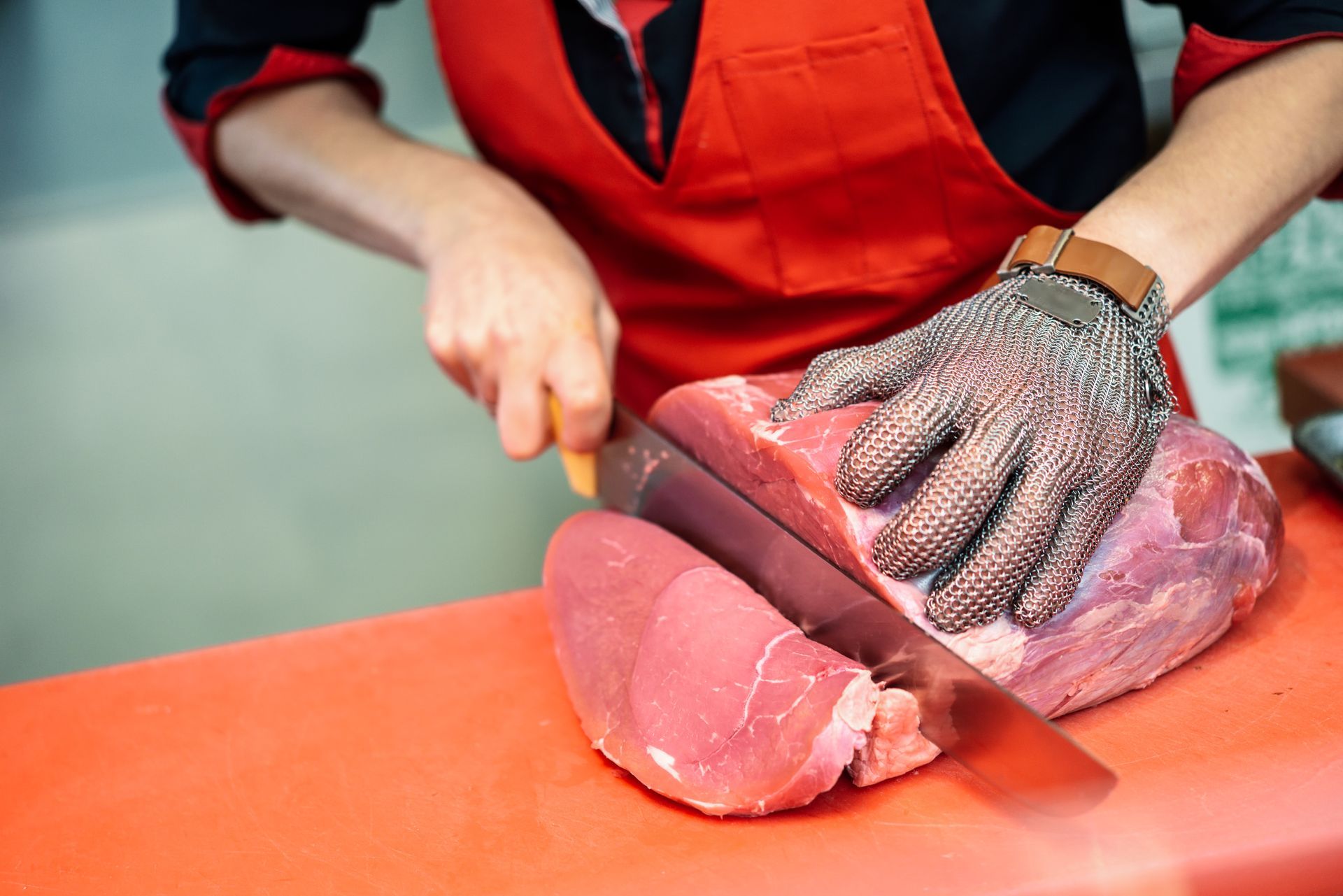
- Cuts and puncture wounds from sharp objects or equipment
- Strains from overexertion or incorrect posture while lifting or bending
- Injuries involving machinery, such as forklifts or pallet jacks
These types of injuries are not only painful and disruptive to your employees but can also result in significant costs to your business. Medical expenses, worker replacement costs, legal fees, and potential fines from regulatory bodies can quickly add up if you don’t have adequate workers' comp coverage.
Why Current Workers’ Compensation Policies May Not Be Enough
It’s not uncommon for grocery store owners to assume that their existing workers' comp policy is sufficient and that they don’t need to revisit it. However, as your business evolves, so do your needs. Here are several reasons why your current policy may not be enough:
- Policy Inadequacies: As grocery stores grow, their operations change. The addition of new services, more employees, or different types of machinery could alter the risks associated with your business. A policy that was appropriate when you first opened may no longer meet your needs, leaving your business vulnerable to gaps in coverage.
- Increased Claims: Workers' compensation claims can vary greatly depending on the number of employees, the types of jobs they perform, and the safety measures in place. If your grocery store has seen an increase in the number of claims, it might be time to reassess your policy. More claims could lead to higher premiums or even the need for additional coverage.
- Outdated Risk Assessments: Many grocery store owners fail to assess risks on a regular basis. Risks can shift as new products, services, or technologies are introduced. If you haven’t conducted a recent risk assessment, you might be missing out on opportunities to reduce premiums or better protect your business.
- Changes in Labor Laws and Regulations: Workers' compensation laws are subject to change. As new legislation is introduced or adjusted, your policy may need to be updated to ensure compliance. Not staying on top of these changes could result in penalties or being out of compliance, which could harm your business reputation and lead to hefty fines.
- Incorrect Classification of Employees: Worker classifications are crucial when determining the costs of a workers’ comp policy. If employees are incorrectly classified, the premiums you pay might be higher than they need to be. For instance, if your employees are classified as general labor when they should be classified differently, you may be paying more than necessary. This error is more common than you might think, and it’s important to regularly review how your employees are categorized.
- Seasonal Variability: Grocery stores often experience fluctuations in workforce size, especially during busy seasons like holidays or special promotions. During such periods, the risks to your workers might increase. Having the right coverage that accounts for these seasonal changes can help ensure that you’re protected year-round, without paying for unnecessary coverage when your workforce is smaller.
- Lack of Preventive Measures: Workers' comp policies are essential after an injury occurs, but they do not address how to prevent accidents in the first place. Some grocery store owners focus primarily on the aftermath of injuries, rather than investing in preventive safety measures. A proactive approach can minimize injuries and, in turn, reduce your overall insurance costs. If you haven't reviewed your workplace safety protocols recently, now is the time.
The Financial Impact of Workers’ Compensation
The financial implications of workers' compensation are twofold: the cost of insurance premiums and the potential costs of a workers' comp claim.
- Insurance Premiums: Workers' comp premiums can be one of the largest operating costs for grocery store owners. However, these premiums can fluctuate based on the type of coverage you have, the size of your workforce, the nature of your business, and your claims history. If your policy isn’t carefully managed, you could find yourself paying unnecessarily high premiums. On the flip side, if you’re underinsured, you could face substantial costs in the event of a claim.
- Workers' Comp Claims: When an employee is injured, you’re not only paying for their medical bills and lost wages, but your insurance premiums may increase due to the claim. In some cases, a severe claim can lead to higher costs for years to come. It’s important to weigh the long-term costs of a claim against the immediate cost of adjusting your policy.
Steps to Reassess and Improve Your Workers’ Comp Policy
So, how can grocery store owners rethink their workers' comp policies? Here are the steps to take to ensure your coverage is adequate:
- Review Your Current Policy: Take a close look at your existing workers' compensation policy. Does it reflect the current structure of your business? Does it cover all your employees, including part-time and seasonal workers? Do you have the necessary coverage for new risks that have emerged as your business has grown?
- Assess the Risks: Conduct a thorough risk assessment to identify any new hazards or risks that have developed over time. For example, if you've introduced new machinery or expanded the types of products you offer, these changes might create new risks that your current policy doesn’t address.
- Work with an Insurance Professional: The complexities of workers’ compensation insurance often require the expertise of an insurance broker or agent who specializes in the grocery industry. An expert can help you identify gaps in your coverage, find ways to reduce premiums, and suggest better policy options that meet your store’s unique needs.
- Incorporate Preventive Measures: A proactive approach can significantly reduce the number of claims, ultimately leading to lower premiums. Invest in safety training, equipment maintenance, and regular employee safety drills to ensure that your workers are well-prepared to avoid accidents. By creating a safer work environment, you can reduce the likelihood of costly workers’ compensation claims.
- Consider Policy Adjustments: Depending on your assessment, you may need to adjust your coverage levels. This could involve increasing coverage in certain areas, reducing it in others, or even adding specialized policies (e.g., equipment insurance, general liability coverage, etc.).
- Monitor Claims History: Keep a close eye on any workers’ comp claims made by your employees. If your claims history is poor, it could affect your premiums. Addressing underlying causes of frequent injuries and working to reduce claims can have a significant long-term impact on your costs.
- Stay Updated on Legal Requirements: Labor laws change over time, and it’s essential to stay informed about any updates that could affect your workers' compensation obligations. Consulting with an insurance professional or legal expert can help you remain compliant with local, state, and federal regulations.

Recent News

10 Key Factors to Consider When Selling Workers Comp Insurance in California

California Workers Comp Insurance Explained: A Guide for Agents and Brokers

Workers Comp Insurance California: What Every Insurance Broker Needs to Know

How Insurance Agents Can Help California Businesses Find the Right Workers Comp Insurance

Workers Comp Insurance California: A Complete Guide for Insurance Agents and Brokers

California Workers' Compensation Insurance for Butcher Shops: What You Need to Know

How to Find Affordable Workers Comp Insurance in California for Butcher Shops

Workers Comp Insurance for Butcher Shops in California: Costs, Coverage, and Benefits

Why Butcher Shops in California Need Workers' Compensation Insurance
Workers Comp Insurance California for Butcher Shops: A Complete Guide for Owners