Workers Comp Insurance for Butcher Shops in California: Costs, Coverage, and Benefits
See How We're Different
or call us: 866-226-4436
Workers Comp Insurance for Butcher Shops in California: Costs, Coverage, and Benefits

Running a butcher shop in California comes with unique workplace risks. From handling sharp knives and operating meat-processing equipment to lifting heavy cuts of meat and working in refrigerated environments, employees face several potential hazards every day. Even with proper safety procedures, workplace injuries can happen unexpectedly. This is where workers' compensation insurance for butcher shops in California becomes essential.
Workers' compensation insurance helps protect employees who experience work-related injuries or illnesses while also providing financial and legal protection for business owners. Understanding its costs, coverage, and benefits can help butcher shop owners make informed decisions, maintain compliance with California regulations, and create a safer working environment.
Understanding Workers' Compensation Insurance for
Butcher Shops
Workers' compensation insurance is designed to provide benefits to employees who suffer injuries or illnesses related to their jobs. In California, most employers are legally required to carry workers' compensation insurance, even if they have only one employee.
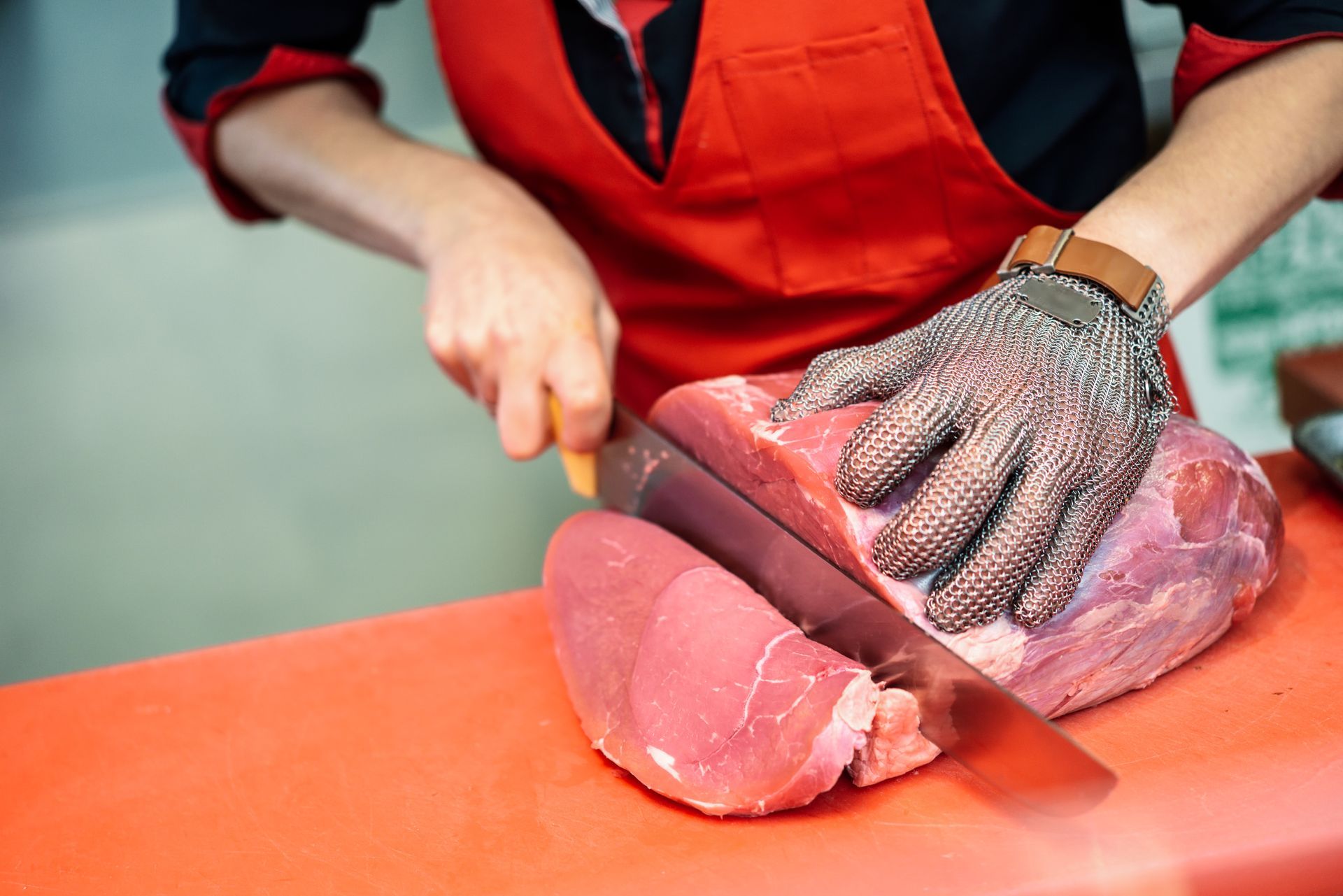
For butcher shops, this coverage is particularly important because meat processing and food preparation involve physical tasks and specialized equipment. Employees may experience cuts, lacerations, muscle strains, burns, repetitive motion injuries, or accidents involving machinery.
For example, a butcher who accidentally cuts their hand while trimming meat may require emergency treatment, follow-up appointments, and time away from work. Workers' compensation insurance can help cover eligible medical expenses and a portion of lost wages while the employee recovers.
Without appropriate coverage, a business owner may face substantial financial exposure, legal penalties, and potential disruption to daily operations.
How Much Does Workers' Compensation Insurance Cost in California?
The cost of workers' compensation insurance for butcher shops in California varies depending on several factors. There is no single price that applies to every business because insurers evaluate workplace risks, payroll, employee classifications, and claims history.
One of the most significant pricing factors is the type of work employees perform. Butchers who regularly use sharp tools, operate cutting machinery, and handle heavy products may have different workers' compensation classification rates from employees who primarily work at the cash register or perform administrative tasks.
Payroll is another major factor. Since workers' compensation premiums are generally calculated using payroll and applicable classification rates, a shop with more employees or higher total payroll may pay more than a smaller operation.
An insurer may also consider the business's previous claims experience. A butcher shop with a history of frequent or expensive workplace injuries may receive higher premiums than a comparable business with a favorable claims record.
Other cost considerations include the insurer's pricing structure, experience modification factor when applicable, coverage arrangements, and available premium adjustments.
To understand the potential expense, butcher shop owners should request quotes based on accurate payroll estimates, employee duties, and their specific business operations. Comparing quotes can help identify differences in premiums, classification details, and policy terms.
What Does Workers' Compensation Insurance Cover?
Workers' compensation insurance provides several types of benefits to eligible employees who experience work-related injuries or illnesses.
Medical treatment is one of the primary benefits. It generally covers reasonable and necessary medical care for a compensable workplace injury, including doctor visits, hospital services, prescription medications, diagnostic testing, and rehabilitation when appropriate.
Temporary disability benefits may help replace part of an employee's lost wages if a work-related injury prevents them from performing their regular job temporarily. For example, an employee who suffers a serious hand injury and cannot safely handle knives during recovery may qualify for temporary disability payments.
Permanent disability benefits may be available when an employee experiences lasting impairment because of a workplace injury. The amount depends on factors such as the nature and extent of the impairment and applicable California rules.
Supplemental job displacement benefits may help eligible injured workers who cannot return to their previous jobs and whose employers do not offer qualifying alternative or modified work. These benefits generally take the form of a voucher for approved education or retraining.
Death benefits may be available to eligible dependents when a work-related injury or illness results in an employee's death. These benefits can provide financial assistance to surviving family members.
The precise benefits depend on the circumstances of the claim and applicable California workers' compensation laws.
Why Workers' Compensation Insurance Matters for Butcher Shops
Butcher shops face workplace hazards that make insurance protection especially important. Sharp blades, meat grinders, slicers, slippery floors, heavy lifting, and prolonged standing can contribute to injuries that interrupt normal business operations.
Workers' compensation insurance helps employees access appropriate medical treatment and financial support following covered workplace injuries. This can reduce some of the financial pressure employees experience during recovery.
For employers, maintaining appropriate coverage helps meet California's legal requirements and reduces exposure to certain injury-related expenses. It can also support employee confidence by demonstrating that the business takes workplace safety and employee protection seriously.
Another important benefit is access to a structured claims process. When an injury occurs, workers' compensation insurance provides an established system for reporting claims, arranging eligible benefits, and managing the financial aspects of workplace accidents.
However, insurance alone cannot prevent accidents. Combining coverage with workplace safety procedures is essential for reducing injuries and maintaining productivity.

Recent News