Why Butcher Shops in California Need Workers' Compensation Insurance
See How We're Different
or call us: 866-226-4436
Why Butcher Shops in California Need Workers' Compensation Insurance

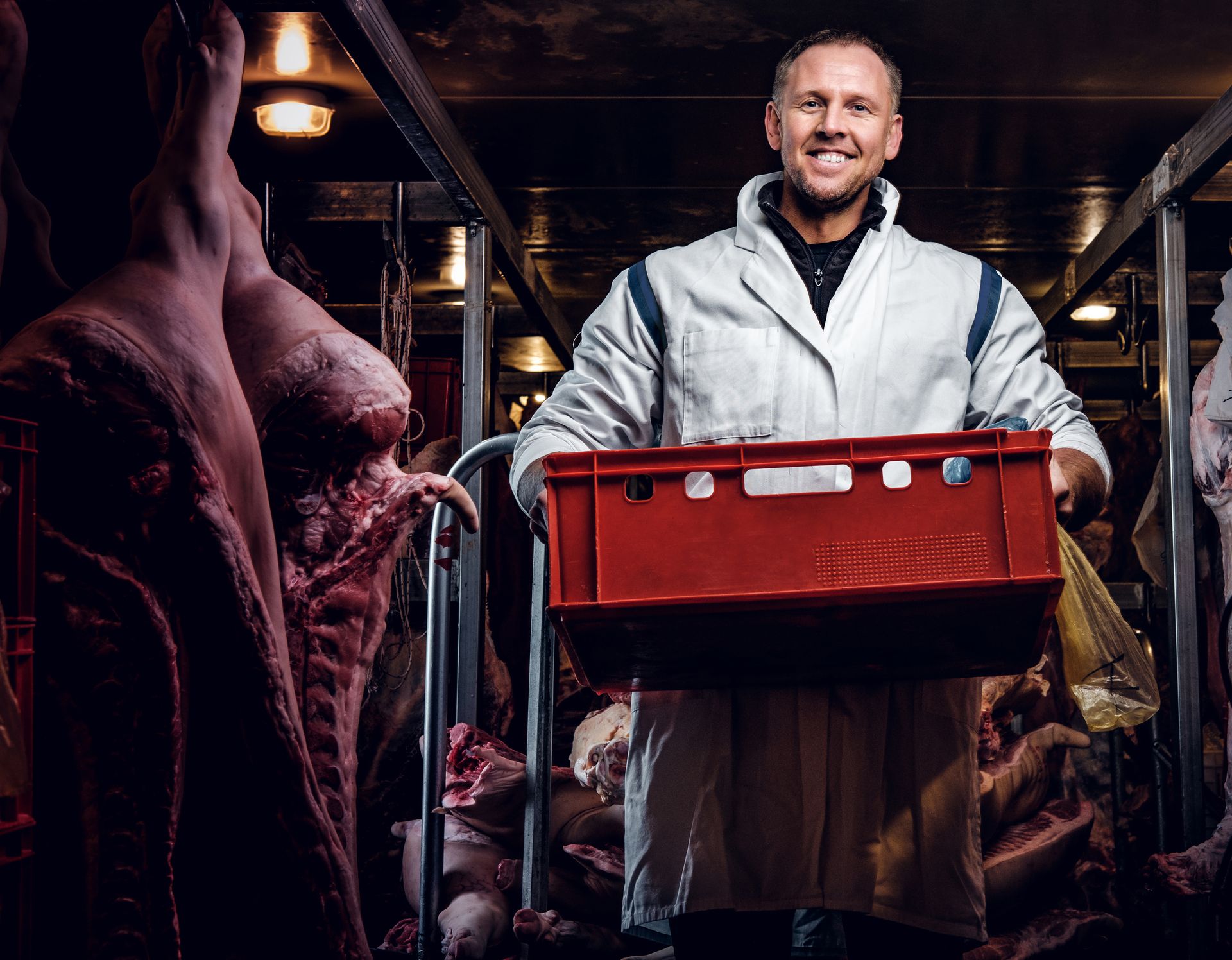
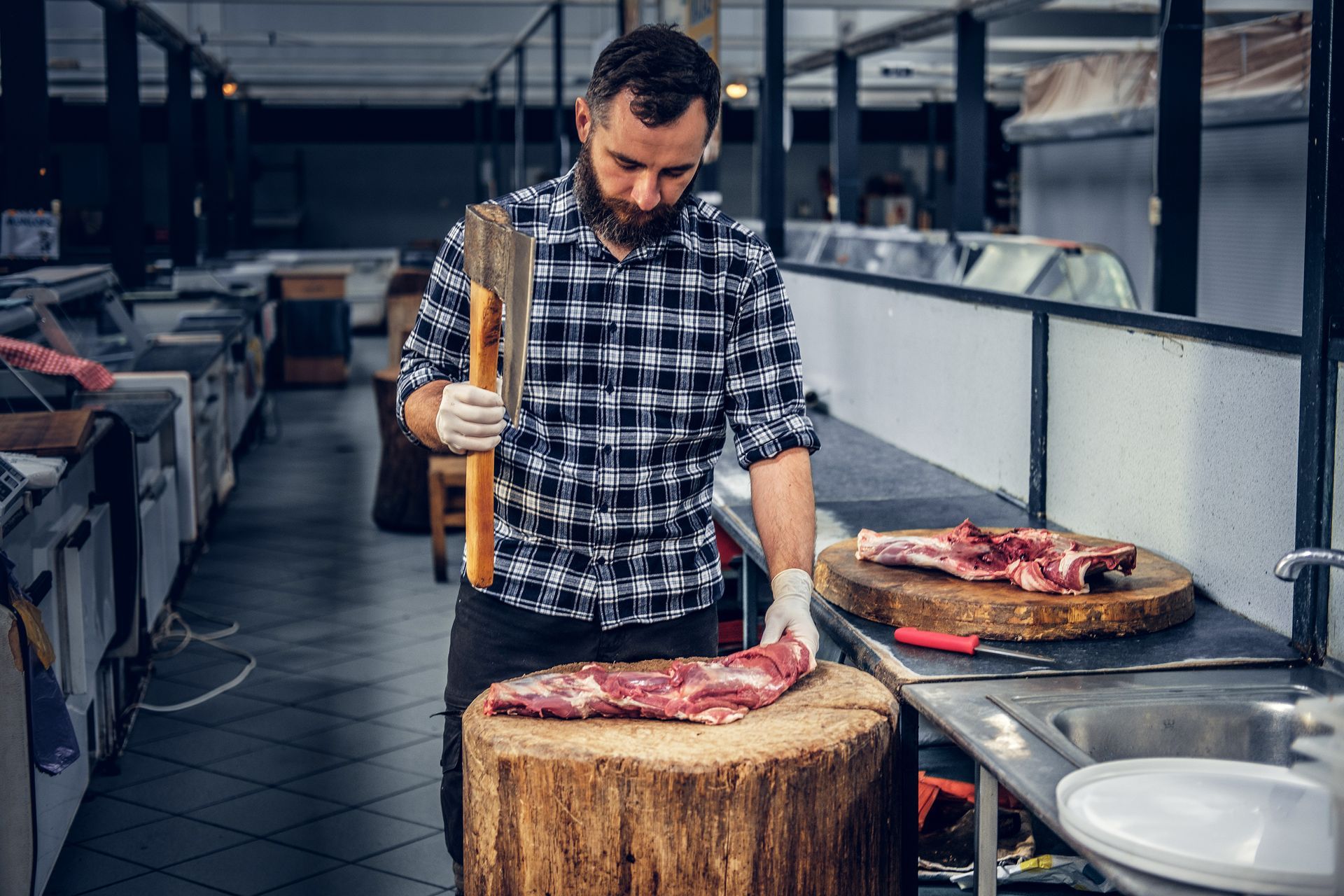
Running a butcher shop in California comes with unique challenges, especially when it comes to employee safety and workplace responsibilities. From handling sharp knives and heavy meat-cutting equipment to lifting large meat portions and working in cold storage areas, butcher shop employees face several occupational hazards every day. Even with proper training and safety procedures, workplace accidents can happen unexpectedly. This is why workers' compensation insurance is essential for butcher shops in California.
Workers' compensation insurance helps protect employees who suffer work-related injuries or illnesses while also protecting business owners from certain financial and legal risks. For butcher shops, having the right insurance coverage is not simply a business decision. It is an important part of maintaining a safe, responsible, and legally compliant workplace.
Understanding Workers' Compensation Insurance for Butcher Shops
Workers' compensation insurance is designed to provide benefits to employees who experience injuries or illnesses connected to their jobs. In California, most employers are legally required to carry workers' compensation insurance, even if they employ only one worker.
For butcher shops, this requirement is particularly important because employees regularly work with potentially dangerous tools, machinery, and materials. Workers' compensation coverage generally helps pay for necessary medical treatment, partial wage replacement when an employee cannot work, disability benefits when applicable, and death benefits for eligible dependents in the event of a fatal workplace accident.
By maintaining workers' compensation insurance, butcher shop owners can meet their legal responsibilities while ensuring that injured employees have access to financial and medical support during recovery.
Common Workplace Hazards in California Butcher Shops
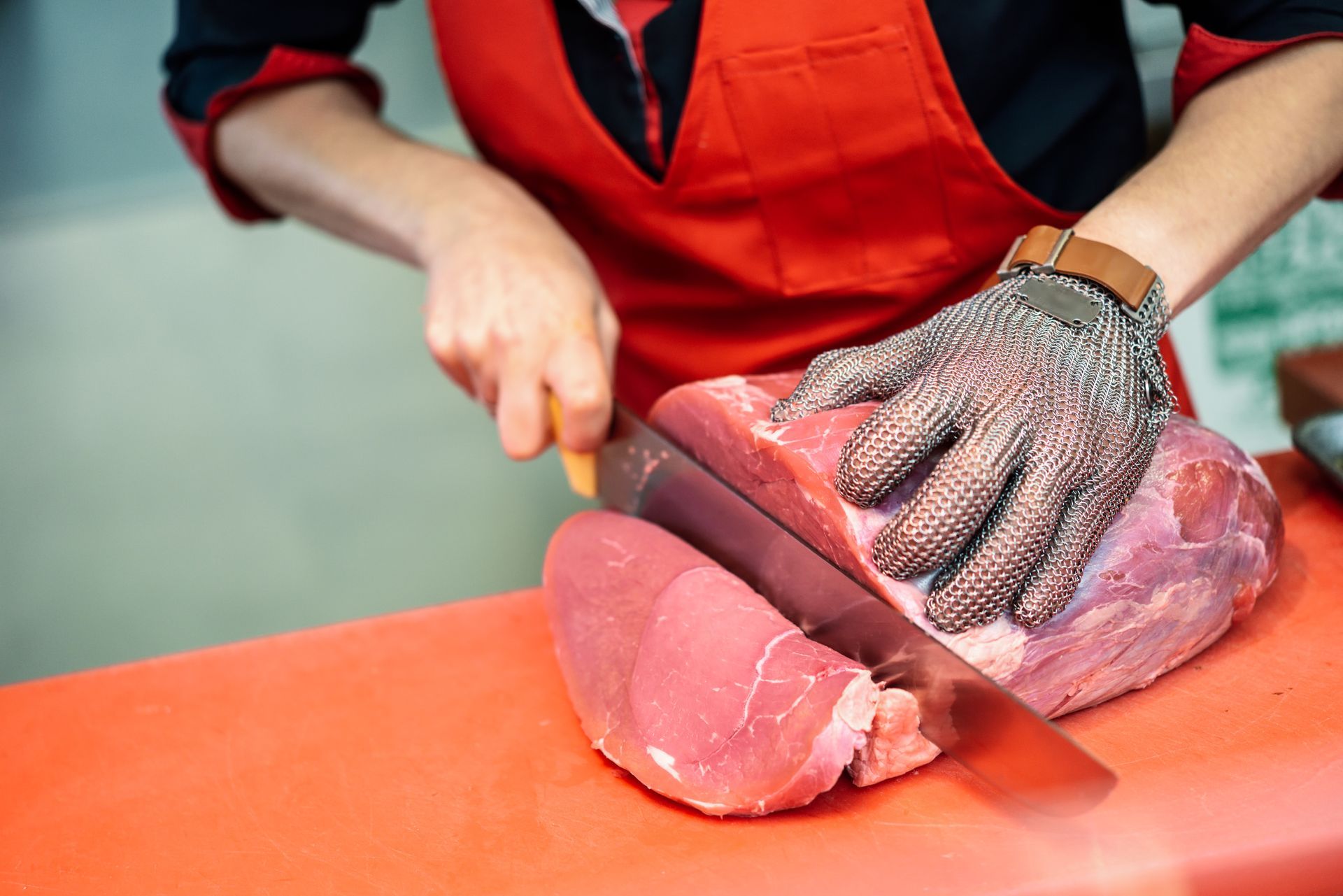
Butcher shops involve physical tasks that can create significant workplace risks. Employees often use sharp knives, meat saws, grinders, slicers, and other cutting equipment. A small mistake or moment of distraction can result in deep cuts, lacerations, or serious hand injuries.
Slippery floors are another common concern. Water, grease, animal fats, and meat residue can accumulate in work areas, increasing the risk of slips, trips, and falls. Such accidents may cause sprains, fractures, back injuries, or other painful conditions that require medical attention.
Repetitive movements and heavy lifting can also contribute to workplace injuries. Employees who spend long hours cutting meat, preparing orders, carrying heavy containers, and standing for extended periods may develop muscle strains, joint problems, or repetitive stress injuries.
Cold storage areas introduce additional challenges. Regular exposure to low temperatures can cause discomfort and increase the need for appropriate protective clothing and safe working practices.
These hazards demonstrate why butcher shop owners need a comprehensive approach to employee protection, including appropriate workers' compensation insurance.
Meeting California's Workers' Compensation Requirements
California has specific workers' compensation laws that place responsibilities on employers. Under California law, employers generally must secure workers' compensation coverage for their employees, regardless of the number of employees or whether they work full-time or part-time.
Failing to maintain the required insurance can lead to serious consequences. Employers who do not comply may face penalties, potential criminal consequences in applicable cases, and liability for the costs of workplace injuries. An uninsured employer may also face a stop order requiring the business to cease operations until it obtains the necessary coverage.
For butcher shop owners, understanding these obligations is crucial. Maintaining an active policy, keeping accurate employment records, and reporting workplace injuries promptly can help businesses manage their responsibilities and avoid unnecessary complications.
Protecting Employees and Reducing Financial Pressure
A workplace injury can create financial difficulties for employees and business owners alike. When a butcher shop employee suffers a serious cut, fractures a bone, or develops a work-related condition, medical expenses and lost income can quickly become significant concerns.
Workers' compensation insurance helps reduce this financial pressure by providing benefits according to California law and the terms of the applicable coverage. Injured workers can receive covered medical care and may qualify for temporary disability benefits if their injuries prevent them from performing their regular job duties.
For business owners, insurance helps manage covered claims that might otherwise place substantial pressure on business finances. This financial protection can be particularly valuable for small and independently operated butcher shops, where an unexpected expense can disrupt daily operations.
Supporting Business Continuity and Employee Confidence
A butcher shop depends on skilled employees who understand food preparation, meat handling, customer service, and equipment safety. When an employee is injured, the business may experience staffing shortages, reduced productivity, and scheduling difficulties.
Workers' compensation insurance can help support an organized recovery process by providing benefits to eligible employees and helping employers meet their obligations during an employee's absence.
Having appropriate coverage can also strengthen employee confidence. Workers are more likely to feel supported when they know their employer has taken steps to provide protection if a workplace injury occurs. This can contribute to a healthier working relationship, improved morale, and a more responsible workplace culture.
However, insurance alone cannot prevent accidents. Butcher shops should also provide appropriate safety training, maintain equipment, supply protective gear, and establish clear procedures for handling workplace hazards.
Choosing the Right Workers' Compensation Coverage
Not every butcher shop has identical insurance needs. A small neighborhood butcher shop with a few employees may have different risks from a larger meat-processing and retail operation with multiple workstations and specialized equipment.
When selecting workers' compensation insurance, business owners should consider their workforce size, job duties, payroll, workplace hazards, and claims history. They should also review policy details, classification codes, premium calculations, and the process for reporting workplace injuries.
Working with an experienced insurance professional who understands California's workers' compensation requirements can help butcher shop owners identify suitable coverage and understand their responsibilities.

Recent News