
Understanding California Workers' Compensation for Restaurant Staff: A Complete Guide | WIMC
February 26, 2025
See How We're Different
or call us: 866-226-4436
Understanding California Workers' Compensation for Restaurant Staff: A Complete Guide

Workers' compensation is an essential component of California law that helps protect employees in the event of work-related injuries or illnesses. For restaurants, where the risk of workplace accidents is particularly high, understanding how workers' compensation works is crucial for both employers and employees. In this comprehensive guide, we will explore everything you need to know about California workers' compensation for restaurant staff—what it covers, who is eligible, and how to file a claim, among other key points.
Table of Contents
- What Is Workers' Compensation?
- Why Workers' Compensation is Crucial for Restaurant Employees
- Eligibility for Workers' Compensation in California
- Types of Injuries Covered Under Workers' Compensation
- The Types of Benefits Provided by Workers' Compensation
- Step-by-Step Guide to Filing a Workers' Compensation Claim
- Employer Responsibilities in Workers' Compensation
- Common Workplace Injuries in the Restaurant Industry
- How to Prevent Injuries and Accidents in Your Restaurant
- Legal Rights and Protections for Employees and Employers
- Conclusion: Ensuring a Safe and Secure Work Environment
1. What Is Workers' Compensation?
Workers' compensation is a system that provides medical care and financial benefits to employees who suffer from job-related injuries or illnesses. In California, the system is governed by the Division of Workers' Compensation (DWC), which ensures that both employees and employers are protected in the event of workplace accidents.
The main purpose of workers' compensation is to offer timely support for injured workers while shielding employers from being sued for workplace injuries. Workers' compensation benefits may include medical treatment, disability payments, rehabilitation, and compensation for permanent disabilities or death.
2. Why Workers' Compensation is Crucial for Restaurant Employees
In the restaurant industry, employees are exposed to various hazards daily—whether it’s hot cooking equipment, sharp kitchen tools, or slippery floors. As a result, the need for workers' compensation in restaurants is paramount to protect employees from the financial consequences of work-related injuries.
For employees, workers' compensation ensures access to medical treatment, income replacement during recovery, and benefits if a disability prevents them from returning to work. For employers, it reduces the likelihood of costly lawsuits and legal claims, while also fostering a safer work environment.
3. Eligibility for Workers' Compensation in California
Almost all employees in California, including those working in restaurants, are entitled to workers' compensation. Here are the categories of workers who are eligible for this coverage:
- Full-Time Employees: All full-time employees working in restaurants—whether they are kitchen staff, servers, or managers—are covered under workers' compensation.
- Part-Time Employees: Even part-time workers, including those working less than 40 hours per week, are eligible for workers' compensation.
- Temporary Employees: Employees hired for seasonal or temporary work are also entitled to workers' compensation benefits.
- Independent Contractors: Independent contractors are typically not eligible for workers' compensation unless they are misclassified and should be considered employees.
- Volunteers: Volunteers who work at the restaurant are generally not covered by workers' compensation unless there is a specific exemption.
4. Types of Injuries Covered Under Workers' Compensation
Injuries sustained in the course of performing job-related duties are covered by California workers' compensation. The types of injuries that commonly occur in restaurants include:
- Slips, Trips, and Falls: Wet floors, cluttered workspaces, and uneven flooring can lead to falls, causing injuries like sprains, fractures, or head trauma.
- Burns and Scalds: Restaurant staff working with ovens, grills, or fryers are at risk of severe burns from hot surfaces, liquids, and open flames.
- Cuts and Lacerations: Sharp knives, slicers, and food processors in kitchens can cause significant cuts or lacerations, especially during food prep.
- Musculoskeletal Injuries: Repetitive tasks such as chopping, stirring, or standing for long hours can lead to strain on muscles, tendons, and joints, resulting in conditions like carpal tunnel syndrome or back injuries.
- Overexertion Injuries: Lifting heavy objects, such as boxes of supplies or cases of drinks, can cause back and shoulder injuries.
- Exposure to Hazardous Materials: Restaurant employees who work with cleaning chemicals or pesticides may develop respiratory conditions or skin irritation.
If an injury or illness is caused by work conditions or tasks, it is likely to be covered by workers' compensation.
5. The Types of Benefits Provided by Workers' Compensation
Workers' compensation in California offers several types of benefits to injured employees, which may include:
- Medical Benefits: Workers’ compensation covers all necessary medical treatment related to the injury or illness. This includes doctor visits, hospital care, surgery, physical therapy, medications, and rehabilitation.
- Temporary Disability Benefits: If the employee cannot work while recovering, they are entitled to temporary disability payments, typically replacing two-thirds of their weekly wages, up to a certain limit.
- Permanent Disability Benefits: If an injury leads to permanent disability (either partial or total), the employee may be entitled to permanent disability benefits. The amount depends on the severity of the disability and the worker’s earning capacity before the injury.
- Death Benefits: In the unfortunate event of a worker’s death due to a work-related injury or illness, the surviving family members may receive death benefits, which include funeral expenses and ongoing support for dependents.
- Vocational Rehabilitation: If the employee is unable to return to their original job, vocational rehabilitation services may be provided to help them acquire new skills or find new employment.
These benefits are designed to ensure that employees receive the care and financial support they need while recovering from work-related injuries or illnesses.
6. Step-by-Step Guide to Filing a Workers' Compensation Claim
If a restaurant employee is injured, it's important to follow a structured process to file a workers' compensation claim. Here’s how the process generally works:
- Report the Injury: The employee should inform the employer of the injury immediately, either in writing or orally. The employer is legally required to report the incident to the insurance carrier.
- Seek Medical Treatment: Injured employees must seek medical attention promptly. Depending on the severity of the injury, they may be required to visit a specific healthcare provider.
- File a Workers' Compensation Claim: The employee should complete a workers' compensation claim form, which can be obtained from the employer or insurance provider. This form is then submitted to the insurance company.
- Review the Claim: The insurance company will assess the claim to determine if the injury qualifies for compensation. This may involve reviewing medical records and contacting the employer.
- Appeal the Decision: If the claim is denied, the employee has the right to appeal the decision. The appeal is made through the Workers’ Compensation Appeals Board (WCAB).
It’s crucial for both employees and employers to keep records of all communications and medical treatments related to the claim.
7. Employer Responsibilities in Workers' Compensation
California law requires employers to carry workers' compensation insurance for their employees. Restaurant owners have several key responsibilities:
- Provide Coverage: Employers must obtain a workers' compensation insurance policy from a private insurer, the State Compensation Insurance Fund, or self-insure.
- Post Workers' Compensation Information: Employers must display a poster in the workplace that informs employees about their rights and the process for filing a workers' compensation claim.
- Report Injuries Promptly: Employers must ensure that injuries are reported to the insurance company and documented accurately.
- Cooperate with Claims: Employers must assist employees in filing claims and ensure timely access to medical care and benefits.
Failing to comply with workers' compensation requirements can result in penalties, fines, and increased liability for workplace accidents.
8. Common Workplace Injuries in the Restaurant Industry
Given the fast-paced and physically demanding nature of restaurant work, certain injuries are more prevalent. Some common workplace injuries include:
- Slips and Falls: Often caused by wet floors, grease spills, or cluttered spaces, leading to ankle sprains, fractures, and head injuries.
- Burns: Kitchen staff working near hot stoves, fryers, and grills face a high risk of second- and third-degree burns.
- Cuts: Cuts from knives or kitchen equipment are frequent, especially among kitchen staff.
- Back and Neck Strain: Lifting heavy boxes or standing for long periods can result in musculoskeletal injuries.
9. How to Prevent Injuries and Accidents in Your Restaurant
Restaurant owners can implement several strategies to reduce the risk of injuries and accidents. Some safety tips include:
- Employee Training: Regularly train all staff on safety practices, proper lifting techniques, and how to handle kitchen equipment.
- Workplace Safety Protocols: Ensure that the kitchen and dining areas are kept clean, free of obstacles, and well-maintained to prevent slips, trips, and falls.
- Provide Protective Equipment: Equip employees with the necessary gear, such as non-slip shoes, gloves, and aprons, to protect them from burns and cuts.
- Ergonomic Considerations: Arrange workstations and tasks in a way that reduces strain on workers’ bodies. Rotate duties to avoid repetitive stress injuries.
10. Legal Rights and Protections for Employees and Employers
California law provides important protections for both employees and employers in the workers' compensation process:
- For Employees: Workers are protected from retaliation if they file a workers' compensation claim. Employers cannot discriminate against or fire employees for exercising their rights under the system.
- For Employers: Employers are required to comply with workers' compensation laws and must maintain insurance coverage. If an employer fails to comply, they may face fines and penalties.
Understanding these rights ensures that both parties are treated fairly and that the workers' compensation system functions as intended.

Recent News

10 Key Factors to Consider When Selling Workers Comp Insurance in California

California Workers Comp Insurance Explained: A Guide for Agents and Brokers

Workers Comp Insurance California: What Every Insurance Broker Needs to Know

How Insurance Agents Can Help California Businesses Find the Right Workers Comp Insurance

Workers Comp Insurance California: A Complete Guide for Insurance Agents and Brokers

California Workers' Compensation Insurance for Butcher Shops: What You Need to Know

How to Find Affordable Workers Comp Insurance in California for Butcher Shops

Workers Comp Insurance for Butcher Shops in California: Costs, Coverage, and Benefits

Why Butcher Shops in California Need Workers' Compensation Insurance
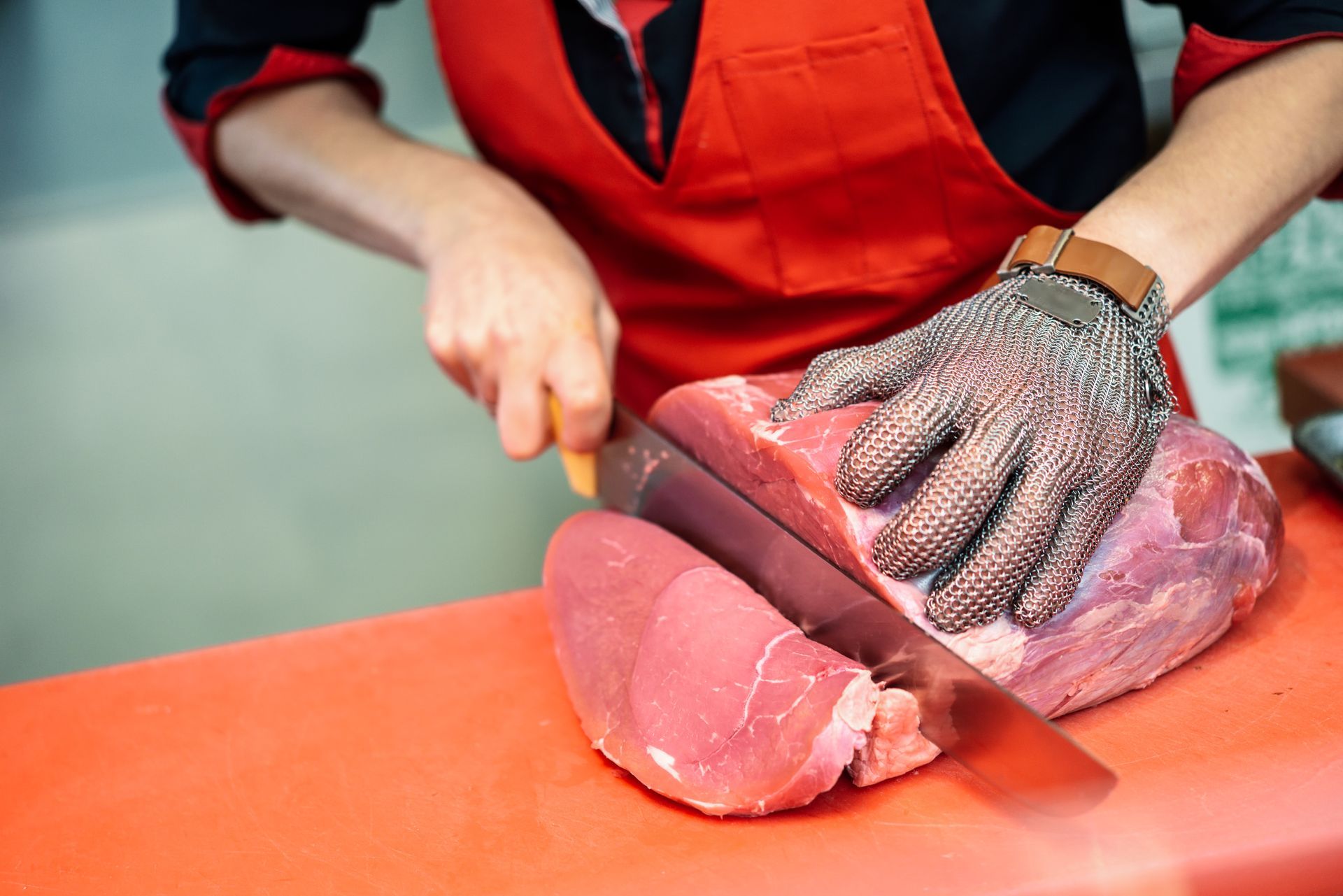
Workers Comp Insurance California for Butcher Shops: A Complete Guide for Owners