
Top 5 Workers Compensation Insurance Tips for Food Service Businesses | WIMC
February 26, 2025
See How We're Different
or call us: 866-226-4436
Top 5 Workers Compensation Insurance Tips for Food Service Businesses

The food service industry is one of the most dynamic and fast-paced sectors in the business world. With the constant movement of employees, high-pressure environments, and the use of heavy equipment and sharp tools, accidents and injuries are an unfortunate reality. These accidents can lead to medical costs, lost wages, legal liabilities, and even reputational damage for the business. This is where workers' compensation insurance comes into play, providing financial protection for both employers and employees in case of work-related injuries or illnesses.
In this comprehensive blog, we'll explore the top five workers' compensation insurance tips that food service businesses need to know. These tips will help you navigate the complexities of workers' compensation coverage, ensuring your business stays compliant, employees remain protected, and you can continue to serve your customers with minimal disruption.
1. Understand the Basics of Workers' Compensation Insurance
Before diving into the specifics of workers' compensation insurance for food service businesses, it’s important to understand what workers' compensation is and how it works.
What is Workers' Compensation Insurance?
Workers' compensation insurance is a type of insurance that provides benefits to employees who suffer job-related injuries or illnesses. These benefits typically cover medical expenses, rehabilitation costs, and a portion of lost wages during the recovery period. Additionally, workers' compensation insurance can provide coverage for legal fees and other liabilities in case an employee sues the company for negligence.
Why Is It Important for Food Service Businesses?
In the food service industry, workers are at an increased risk for various types of injuries. From slips and falls in kitchens to burns, cuts, and musculoskeletal injuries from lifting heavy items, there are numerous hazards that employees face on a daily basis. Workers' compensation insurance helps mitigate the financial impact of these incidents, protecting your business from expensive lawsuits and ensuring that employees receive the care they need.
Key Coverages of Workers' Compensation Insurance:
- Medical Expenses: Covers the cost of medical treatment for work-related injuries or illnesses, including doctor visits, hospital stays, surgeries, and medications.
- Lost Wages: Replaces a portion of the employee's lost wages if they need to take time off to recover from an injury or illness.
- Rehabilitation: Provides funds for rehabilitation services, such as physical therapy, to help employees return to work.
- Disability Benefits: Offers compensation for employees who suffer from permanent disabilities due to work-related injuries.
- Death Benefits: If an employee dies due to a work-related incident, workers' compensation can provide financial support to their family.
As a food service business owner, it's essential to understand these coverages and how they protect your employees and your business. Failure to have adequate coverage could lead to significant financial and legal consequences.
2. Choose the Right Workers' Compensation Insurance Plan
When selecting a workers' compensation insurance policy, there’s no one-size-fits-all solution. The needs of a fast-casual restaurant, for example, will differ from those of a fine-dining establishment or a catering service. Therefore, it’s crucial to select a workers' compensation insurance plan that aligns with your business’s specific risks and needs.
Consider the Type of Employees You Have:
- Kitchen Staff: These employees are exposed to the highest risks, with a likelihood of burns, cuts, slips, and falls. Ensure that the policy covers common kitchen-related injuries, such as burns from hot surfaces or fires and cuts from knives and other sharp objects.
- Waitstaff: Though the risks may be lower for waitstaff, they are still susceptible to slip-and-fall accidents, repetitive stress injuries, and lifting injuries. Make sure that the policy includes coverage for these types of accidents as well.
- Delivery Drivers: If your food service business offers delivery, delivery drivers face additional risks on the road, such as car accidents or injuries related to lifting and carrying heavy items. Ensure that your workers' compensation policy includes coverage for delivery-related incidents.
Pay Close Attention to Industry-Specific Risks:
Different types of food service businesses face different kinds of risks, so it’s important to consider your business type and location when choosing a workers' compensation plan. For instance:
- Fast Food: Higher volume of employees, fast-paced work, frequent slip-and-fall accidents, burns, cuts.
- Fine Dining: A higher level of customer service may lead to more repetitive stress injuries (e.g., waitstaff) or stress-related issues.
- Catering Services: Risk of vehicle accidents and injuries related to the transportation of food and equipment.
Discuss these specifics with your insurance provider to ensure your policy addresses the potential risks within your unique business environment.
3. Prioritize Employee Training and Safety Protocols
One of the most effective ways to reduce the number of accidents and injuries in the workplace is through proper training and the implementation of strict safety protocols. Employees need to understand how to perform their jobs safely and efficiently to minimize the risk of harm.
Establish a Safety Training Program:
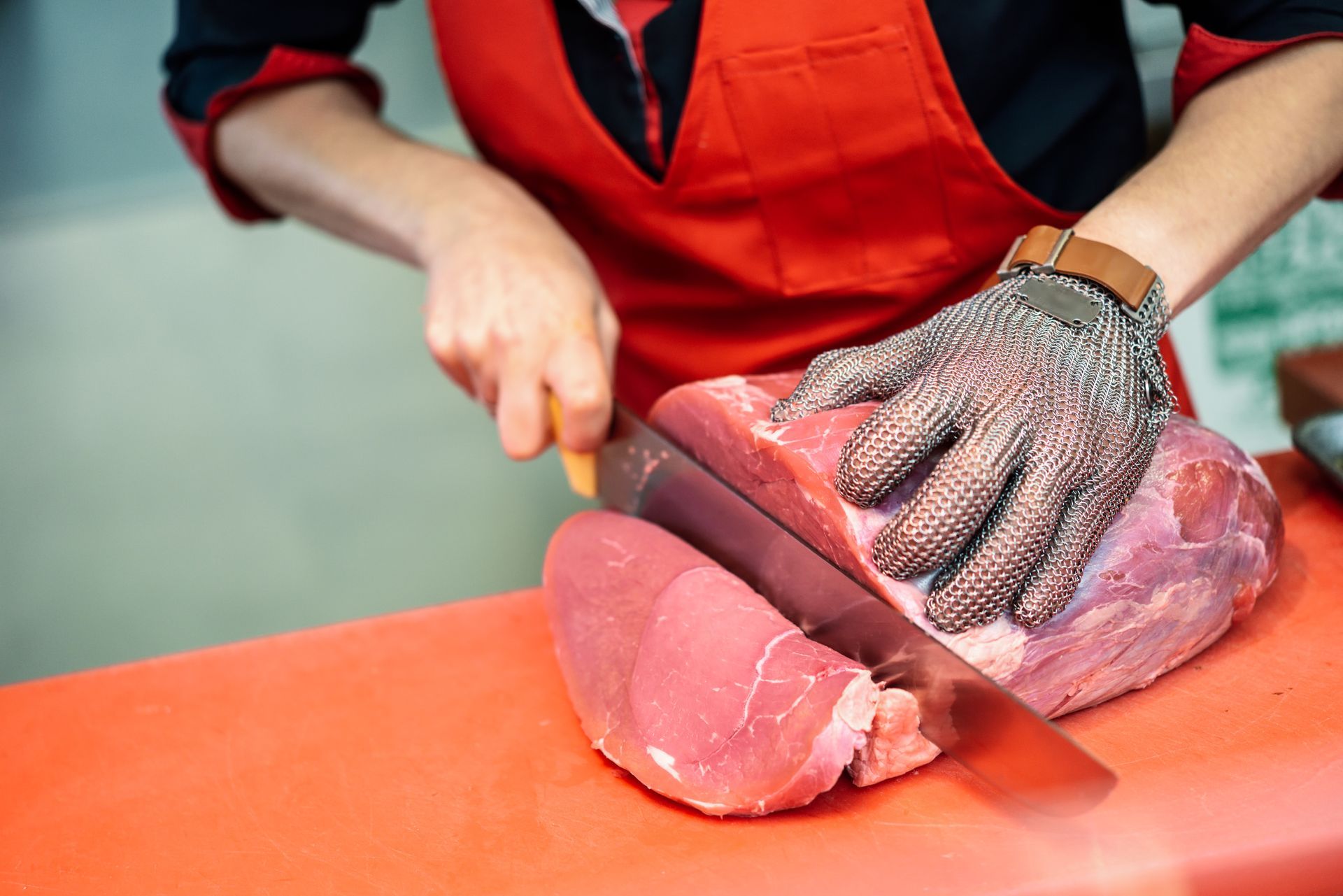
- Kitchen Safety: Ensure that kitchen employees are trained on the proper handling of knives, equipment, and hot surfaces. Offer guidance on how to lift heavy items properly to prevent back injuries.
- Slips, Trips, and Falls: Teach all employees to keep walkways clear, mop up spills immediately, and wear appropriate footwear to reduce slip hazards. Establish routine cleaning schedules to ensure that floors are clean and dry.
- Food Safety and Hygiene: In addition to physical injuries, food service workers must adhere to food safety regulations to avoid foodborne illnesses, which can lead to employee absenteeism and loss of business. Conduct regular food safety training, including personal hygiene, proper food storage, and temperature control.
Use Safety Equipment and Tools:
Provide employees with the necessary safety equipment, such as non-slip shoes, gloves, aprons, and goggles. For delivery staff, ensure that vehicles are equipped with necessary safety gear, such as seat belts and first-aid kits.
Review Safety Protocols Regularly:
It's not enough to provide one-time safety training. Regularly review your safety protocols and make necessary adjustments based on new risks or safety concerns that arise. Also, encourage employees to report unsafe conditions or hazards to management so they can be addressed promptly.
Having a well-trained workforce and a strong focus on safety can not only prevent accidents but can also potentially lower your workers' compensation premiums.
4. Monitor and Manage Workers' Compensation Claims Effectively
While it’s always preferable to prevent workplace injuries, accidents can still happen. When an injury occurs, how you handle the workers' compensation claim process can significantly impact both the well-being of your employee and the financial health of your business.
Report Claims Promptly:
As soon as an injury occurs, it’s crucial to report the incident to your workers' compensation insurance provider. Failing to do so could lead to delays in benefits for the employee and may also result in penalties for the business. Make sure to have clear procedures in place for reporting accidents and injuries, and ensure that all managers are trained on these processes.
Document Everything:
Accurate documentation is vital in the claims process. Keep detailed records of the injury, including witness statements, photos of the scene, medical reports, and any communication with the injured employee. This documentation can help protect your business in case of a dispute and ensure that the employee receives the correct benefits.
Work With Medical Providers:
Encourage employees to seek medical attention immediately after an injury. Workers' compensation insurance typically covers medical treatment for work-related injuries, and timely medical care can help employees recover more quickly. In some cases, workers' compensation insurance may require employees to visit specific healthcare providers, so ensure you’re familiar with your insurance provider’s requirements.
Return-to-Work Programs:
A return-to-work program can help employees get back to work as soon as they are physically able, even if it means offering light or modified duties initially. This not only helps the employee recover faster but also keeps your business running smoothly. A proactive return-to-work program can demonstrate to your insurance provider that you’re committed to minimizing the impact of workplace injuries, which may lead to lower premiums over time.
5. Regularly Review Your Workers' Compensation Coverage
Workers' compensation laws and business needs evolve over time, so it’s essential to regularly review your coverage to ensure it remains adequate for your current business operations. A policy that worked well a few years ago may no longer be sufficient as your business grows or changes.
Stay Up-to-Date on Legal Requirements:
Workers' compensation laws vary by state, and these laws may change over time. Stay informed about any updates or changes to the workers' compensation regulations in your state to ensure compliance. Non-compliance could result in hefty fines, penalties, and even business closure in extreme cases.
Reevaluate Your Coverage as Your Business Grows:
As your food service business expands, you may hire more employees or introduce new services, which could change the types of risks you face. For instance, if you start offering delivery services or catering, you may need additional coverage for your delivery staff or vehicles. Regularly reviewing your coverage will help you stay protected as your business evolves.
Shop Around for the Best Rates:
Insurance premiums can vary significantly between providers, so it’s a good idea to shop around and compare rates. However, don’t base your decision solely on price; consider the reputation of the insurer, the level of customer service they offer, and the specifics of their coverage options.

Recent News

10 Key Factors to Consider When Selling Workers Comp Insurance in California

California Workers Comp Insurance Explained: A Guide for Agents and Brokers

Workers Comp Insurance California: What Every Insurance Broker Needs to Know

How Insurance Agents Can Help California Businesses Find the Right Workers Comp Insurance

Workers Comp Insurance California: A Complete Guide for Insurance Agents and Brokers

California Workers' Compensation Insurance for Butcher Shops: What You Need to Know

How to Find Affordable Workers Comp Insurance in California for Butcher Shops

Workers Comp Insurance for Butcher Shops in California: Costs, Coverage, and Benefits

Why Butcher Shops in California Need Workers' Compensation Insurance
Workers Comp Insurance California for Butcher Shops: A Complete Guide for Owners