California Workers' Compensation Insurance for Butcher Shops: What You Need to Know
See How We're Different
or call us: 866-226-4436
California Workers' Compensation Insurance for Butcher Shops: What You Need to Know
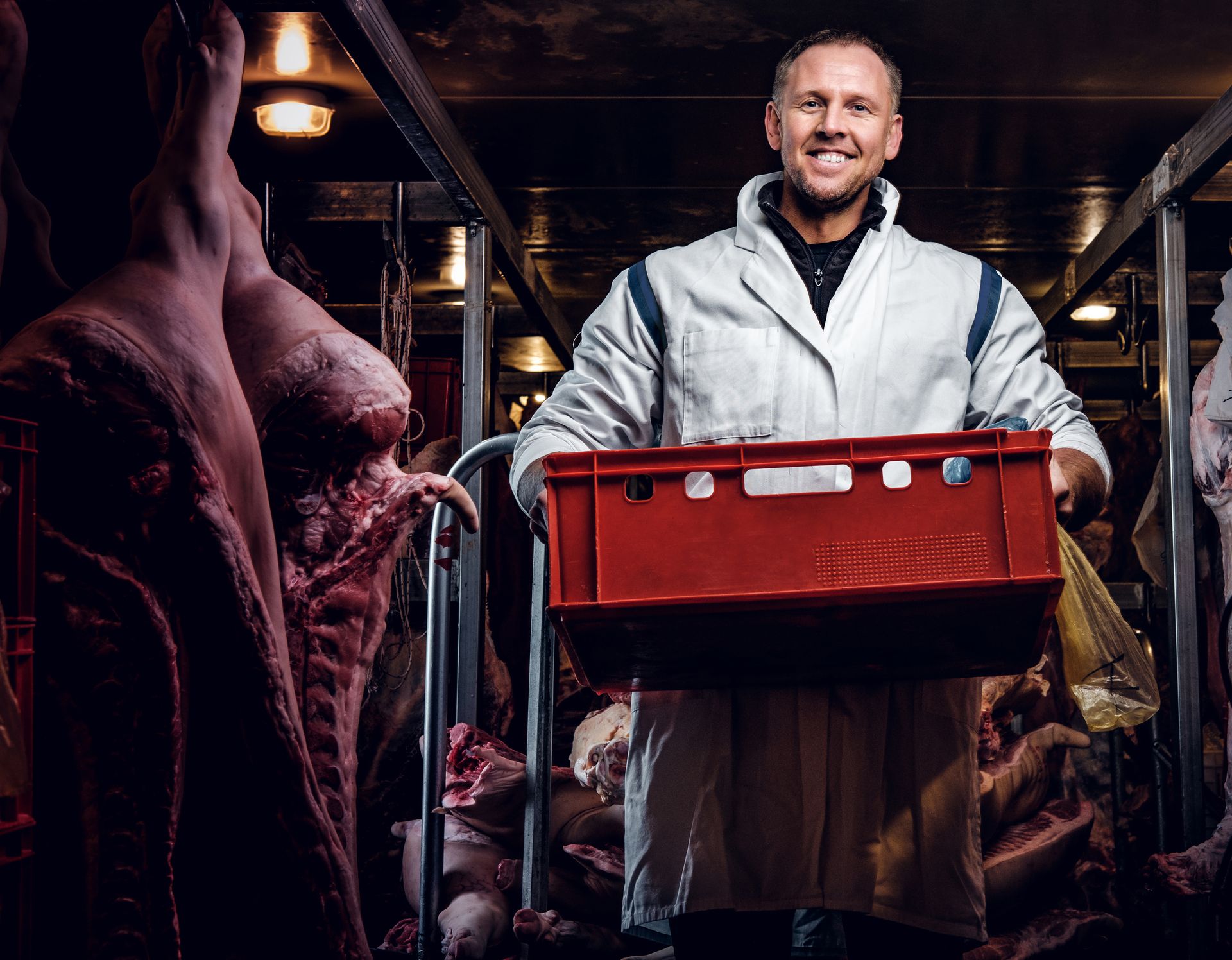
Running a butcher shop in California involves more than sourcing quality meat, serving customers, and maintaining food safety standards. It also means managing workplace risks that can affect employees and business operations. From handling sharp knives and operating meat grinders to lifting heavy cuts of meat and working in refrigerated environments, butcher shops face several occupational hazards. This is why California workers' compensation insurance for butcher shops is an essential part of protecting employees and maintaining a financially stable business.
Understanding how workers' compensation works, what it covers, and how to manage insurance costs can help butcher shop owners meet legal requirements while creating a safer workplace.
Understanding Workers' Compensation Insurance in
California
Workers' compensation insurance is designed to provide benefits to employees who experience work-related injuries or illnesses. In California, most employers with at least one employee are required to carry workers' compensation insurance, regardless of whether employees work full-time or part-time.
For butcher shops, this requirement is particularly important because employees regularly work with equipment, tools, and materials that can cause injuries. A workplace accident can happen during routine activities, such as trimming meat, cleaning equipment, unloading deliveries, or preparing products for customers.
Workers' compensation generally provides benefits without requiring employees to prove that their employer was negligent. In return, the system generally limits an employee's ability to sue an employer over an ordinary workplace injury, subject to certain legal exceptions.
Common Workplace Risks in Butcher Shops
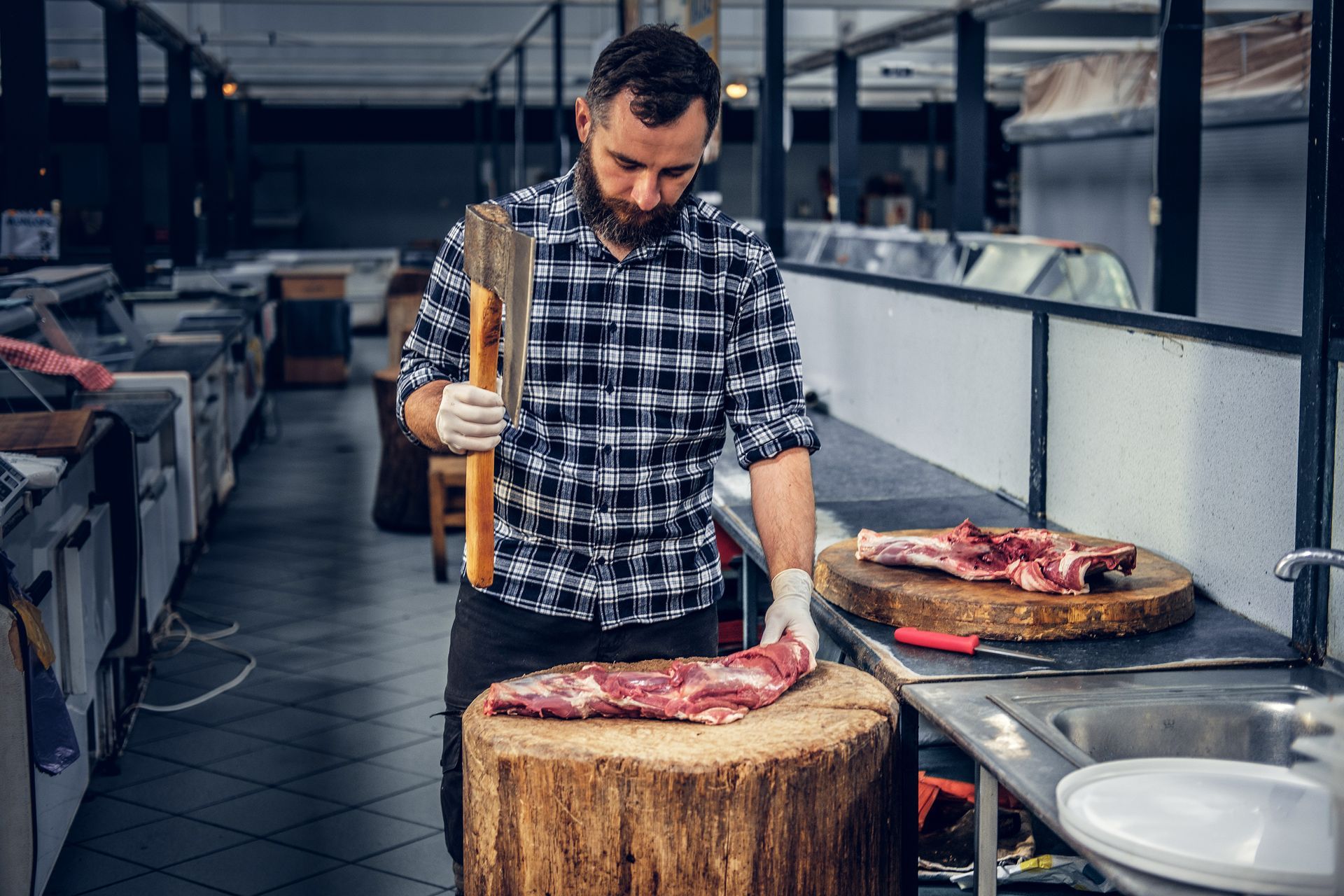
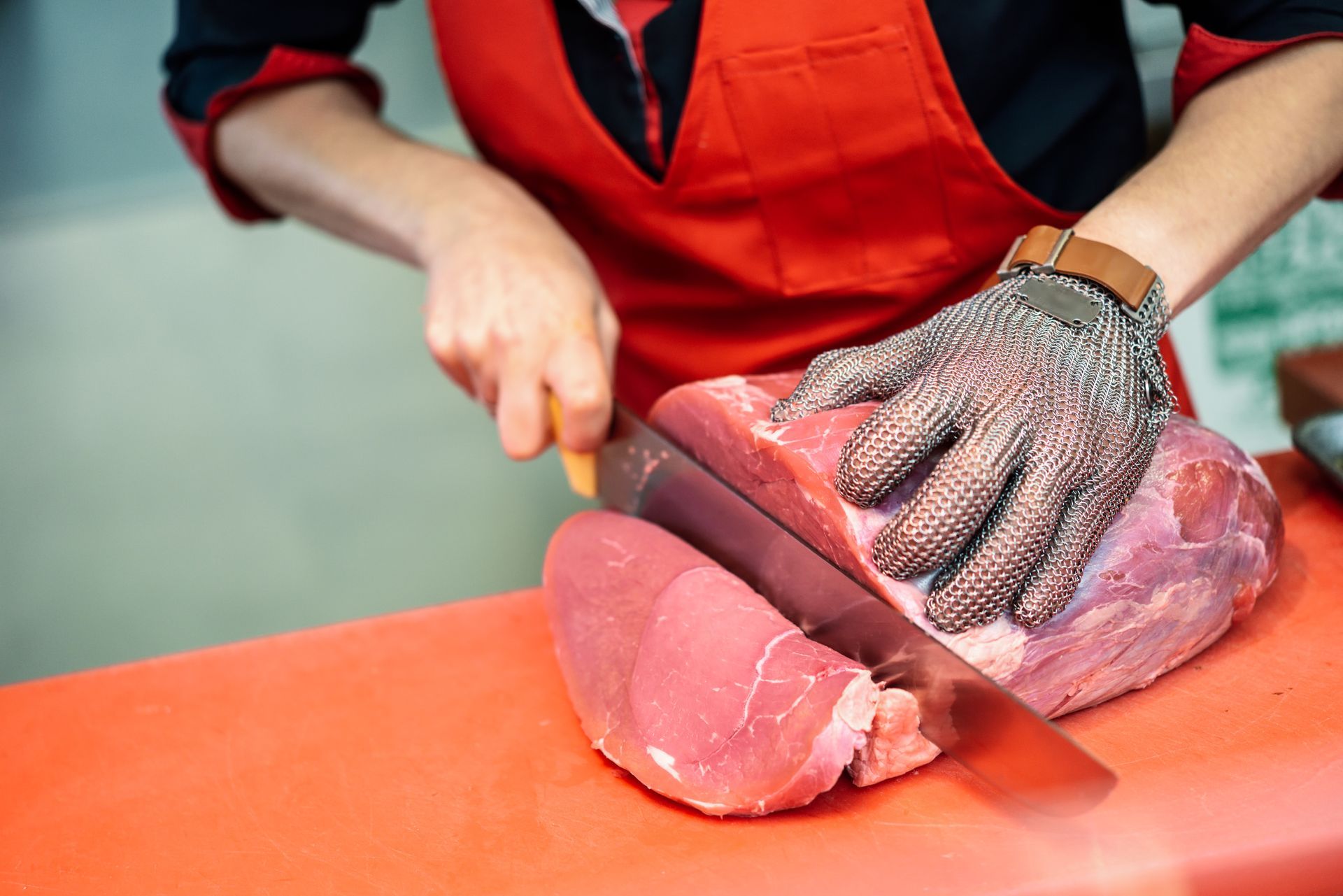
Butcher shops have unique workplace hazards that make proper insurance coverage especially important. Employees frequently handle sharp knives, meat slicers, bandsaws, and grinders. Improper use, equipment malfunctions, or simple mistakes can result in cuts, lacerations, and serious injuries.
Slippery floors are another common concern. Water, grease, blood, and other substances can create hazardous surfaces, increasing the risk of slips and falls. These accidents may result in sprains, fractures, back injuries, or other medical conditions.
Cold storage areas can also present challenges. Employees who spend extended periods in refrigerated environments may experience cold-related discomfort or injuries if proper protective measures are not in place. Additionally, repeatedly lifting heavy meat products, standing for long periods, and performing repetitive cutting motions can contribute to muscle strains and other musculoskeletal conditions.
Recognizing these risks helps employers understand why workers' compensation insurance is an important component of workplace risk management.
What Does Workers' Compensation Insurance Cover?
Workers' compensation insurance generally covers several categories of benefits for eligible work-related injuries and illnesses.
Medical expenses are among the most important benefits. They may include doctor visits, emergency treatment, hospitalization, surgery, prescription medications, physical therapy, and other medically necessary treatment related to an occupational injury.
Disability benefits may also be available when an employee cannot work or experiences a reduction in earning capacity because of a work-related injury. Temporary disability benefits can partially replace lost wages while an employee recovers. Permanent disability benefits may apply when an injury results in lasting impairment.
In certain circumstances, employees may qualify for supplemental job displacement benefits if they cannot return to their usual work and their employer does not offer qualifying modified or alternative work. These benefits can help eligible workers access retraining or skill-development opportunities.
If a workplace injury results in death, workers' compensation may provide death benefits to eligible dependents and cover certain burial expenses, subject to California law.
The specific benefits available depend on the injury, medical evidence, eligibility requirements, and applicable state regulations.

Recent News