
Auto Transport Owners: Here’s How to Get Workers Comp in Under 10 Minutes | WIMC
May 8, 2025
See How We're Different
or call us: 866-226-4436
Auto Transport Owners: Here’s How to Get Workers Comp in Under 10 Minutes
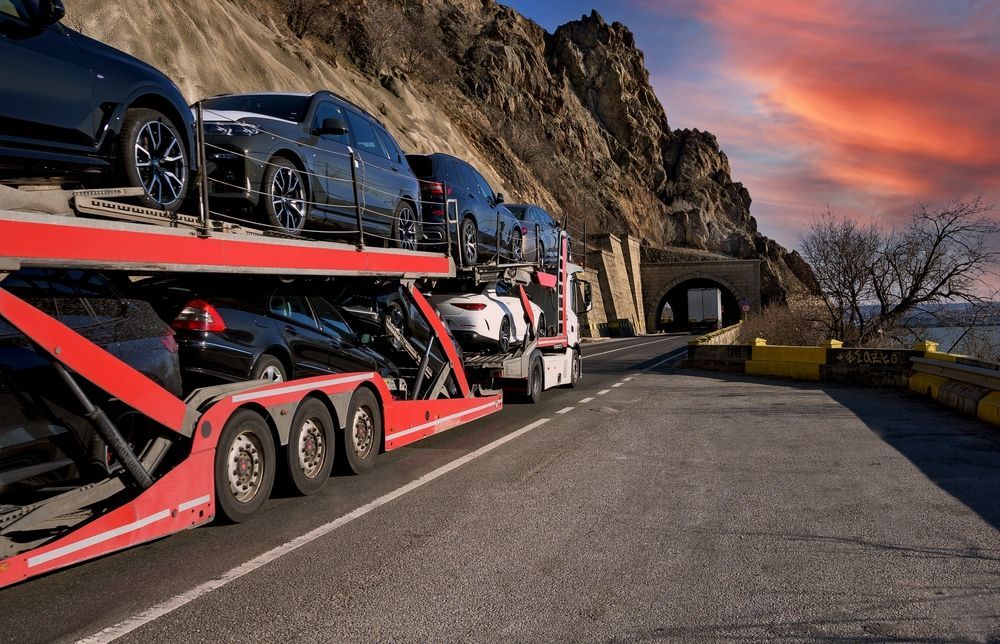
If you’re in the auto transport business, you already know that running a company in this space is not for the faint-hearted. It’s a high-risk, fast-moving, logistically complex industry. Between compliance issues, keeping drivers safe, and protecting your fleet, the responsibilities are endless. But there’s one area that gets pushed to the back burner all too often — workers' compensation insurance.
Now, here’s the good news: you can actually get workers comp in under 10 minutes — legally, securely, and affordably. Sounds unbelievable? It’s not. In this guide, you’ll learn how to make it happen, and more importantly, why failing to do so might put your entire business at risk. Whether you’re a seasoned auto transport owner or just starting out, what you’re about to read could save your business thousands of dollars and endless headaches.
The Real Cost of Not Having Workers Comp
Let’s start with a harsh truth — the auto transport industry is among the most dangerous sectors to work in. Your drivers are constantly on the road, navigating long distances, bad weather, tight schedules, and the risk of vehicular accidents. If you don’t have proper workers comp coverage, one injury could lead to lawsuits, medical bills, and government fines that can bankrupt a small business.
Workers compensation isn’t just a good idea — it’s the law in almost every U.S. state. If you have employees — even one — you are likely legally required to carry workers comp insurance. And don’t assume your 1099 contractors are exempt. Many states classify these drivers as employees under the law, even if you’ve labeled them otherwise.
But legal compliance isn’t the only reason. Imagine this scenario: one of your drivers gets rear-ended on the highway and ends up with back injuries. Without workers comp, you're on the hook for their hospital bills, physical therapy, and lost wages. Those costs can quickly climb into the tens or hundreds of thousands of dollars. Add legal fees and lost reputation, and it’s a financial storm you don’t want to weather.
Why Most Auto Transport Owners Delay Getting Workers Comp
So if it’s so essential, why do many auto transport owners delay getting covered? There are a few common reasons.
First, there’s a widespread misconception that getting workers comp insurance is a complicated, drawn-out process. Many business owners imagine sitting on the phone with agents for hours, gathering documents, waiting days (or weeks) for quotes, and facing sky-high premiums. That used to be true. But not anymore.
Second, many assume it’s going to be prohibitively expensive. Because auto transport is considered a high-risk field, some insurance providers do charge more for coverage. But if you shop smart and work with providers who specialize in your industry, it’s entirely possible to find affordable, comprehensive plans — without sacrificing quality or speed.
Lastly, there’s confusion around who needs to be covered. Do you need to insure independent contractors? What if a driver only works part-time? The rules vary by state, but the bottom line is this: it’s better to be overly cautious than underinsured.
What Is Workers Comp — And What Does It Actually Cover?
Let’s clear up what workers compensation really is. In simple terms, it’s a form of insurance that provides benefits to employees who get injured or sick as a result of their job. It’s designed to protect both the worker and the business owner.
If one of your drivers gets hurt while loading a car onto a transport trailer or suffers a repetitive stress injury from long hours behind the wheel, workers comp will help cover medical expenses, ongoing rehabilitation, and a portion of lost wages during their recovery.
It also protects you, the employer, from lawsuits. In most states, workers who accept compensation benefits waive their right to sue their employer for negligence. That’s a powerful layer of protection for any business owner, especially in a high-liability field like auto transport.
The Fast Lane: Getting Workers Comp in Under 10 Minutes
Here’s where it gets exciting. In the past, getting covered could take days. But the insurance industry has evolved. Thanks to digital platforms, industry-specific carriers, and streamlined underwriting, you can now secure a policy in as little as 10 minutes.
The key is using a digital-first provider that understands the unique needs of auto transport companies. These platforms don’t just make the process faster; they’re built to handle the complexities of your business.
Here’s how the process works:
You start by entering basic information about your business — number of employees, payroll estimates, industry classification, and any prior claims history. Within seconds, the system pulls data and runs it through underwriting algorithms. Instead of waiting days for an agent to get back to you, you’ll receive a quote instantly or within a few minutes.
Once you accept the quote, you can digitally sign the application and make your first payment. Your policy is issued immediately, and you get a digital certificate of insurance (COI) that you can download, print, or send to clients, DOT officials, or anyone else who needs it. All of that — in under 10 minutes.
What You’ll Need Before You Apply
To make the process truly fast and smooth, you’ll want to gather a few things ahead of time. While different providers may ask for slightly different details, most require the following:
The legal name and address of your business. Your Federal Employer Identification Number (EIN). The number of full-time and part-time employees. An estimate of your annual payroll. A general description of what your employees do. Details on past workers comp claims, if any.
Having this info ready to go will save time and ensure you receive an accurate quote.
Understanding Class Codes and How They Affect Your Premium
One of the things that determine your workers comp premium is your “class code.” This is an industry classification system used to estimate risk. Auto transport businesses typically fall under specific class codes related to vehicle operation, long-haul transport, or vehicle handling.
High-risk job roles — such as drivers operating across state lines or workers involved in vehicle loading — may be classified differently than office administrators. The higher the risk, the higher the premium. But don’t worry: digital providers usually help assign the correct class codes automatically, based on the job descriptions you provide.
Using the right class codes is critical. Misclassifying employees can lead to audits, penalties, or inflated costs down the road. That’s why a modern provider that specializes in transport businesses is your best bet.
Avoiding Common Mistakes Auto Transport Owners Make
When it comes to getting workers comp, the biggest mistake is waiting too long. Accidents don’t wait until your coverage kicks in. If a driver gets hurt while you’re uninsured, your business is legally and financially liable.
Another mistake is underreporting payroll. Some business owners try to save money by listing lower payroll amounts to reduce premiums. But insurance companies audit your payroll annually. If you underreport, you’ll be hit with a big bill at the end of the year — and possibly penalties for misrepresentation.
Choosing the wrong provider is another common misstep. Many generalist insurance companies don’t fully understand the nuances of auto transport. They may overcharge you or deny legitimate claims. It’s worth the effort to work with a provider who knows your industry.
What Happens After You Get Covered
Once you’ve secured your policy, it’s not a “set it and forget it” situation. You’ll need to maintain compliance, keep your payroll records up to date, and report any claims promptly. Most modern providers offer portals where you can manage your policy, make payments, add new employees, and file claims online.
Your premium may also change throughout the year. If you hire more drivers or expand your operations into new states, your policy may need to be adjusted. The good news is, with a flexible, tech-savvy provider, making changes is usually quick and easy.
How Workers Comp Helps You Win More Business
Beyond compliance and protection, there’s a strategic reason to carry workers comp: it makes you more competitive.
Many clients, especially larger dealerships and transport brokers, require proof of insurance before they’ll work with you. Being able to instantly produce a certificate of workers comp coverage gives you a leg up on competitors who are uninsured or scrambling to get compliant.
It also builds trust with drivers. Today’s workforce wants to know that their employer has their back. Offering workers comp shows that you value your team and take safety seriously — both critical factors for recruiting and retaining talent in a tough labor market.
Is It Really Possible in 10 Minutes?
Yes — and many auto transport owners are doing it every day. With the rise of online-first insurance providers, the process is as fast as ordering a product on Amazon. In some cases, you’ll spend more time setting up a new GPS system than getting covered.
The days of paper forms, fax machines, and endless agent calls are over. If you’re ready to move fast, protect your people, and stay compliant — without wasting time or money — there’s no reason to wait.
What to Do If You’ve Already Been Operating Without Coverage
If you’ve been running your business without workers comp, you’re not alone. Many auto transport businesses start that way — especially those with small teams or primarily 1099 drivers. But that’s a risky gamble.
The longer you operate without coverage, the more exposed you are. A single incident can lead to thousands in costs, or worse, legal trouble that could shut down your operations.
The smart move is to take action today. The process is faster and easier than you think, and many providers will work with you even if you’ve had a lapse in coverage or claims in the past.

Recent News

10 Key Factors to Consider When Selling Workers Comp Insurance in California

California Workers Comp Insurance Explained: A Guide for Agents and Brokers

Workers Comp Insurance California: What Every Insurance Broker Needs to Know

How Insurance Agents Can Help California Businesses Find the Right Workers Comp Insurance

Workers Comp Insurance California: A Complete Guide for Insurance Agents and Brokers

California Workers' Compensation Insurance for Butcher Shops: What You Need to Know

How to Find Affordable Workers Comp Insurance in California for Butcher Shops

Workers Comp Insurance for Butcher Shops in California: Costs, Coverage, and Benefits

Why Butcher Shops in California Need Workers' Compensation Insurance

Workers Comp Insurance California for Butcher Shops: A Complete Guide for Owners