
Buying Workers Comp for Auto Transport Crews? Read This First | WIMC
May 8, 2025
See How We're Different
or call us: 866-226-4436
Buying Workers Comp for Auto Transport Crews? Read This First
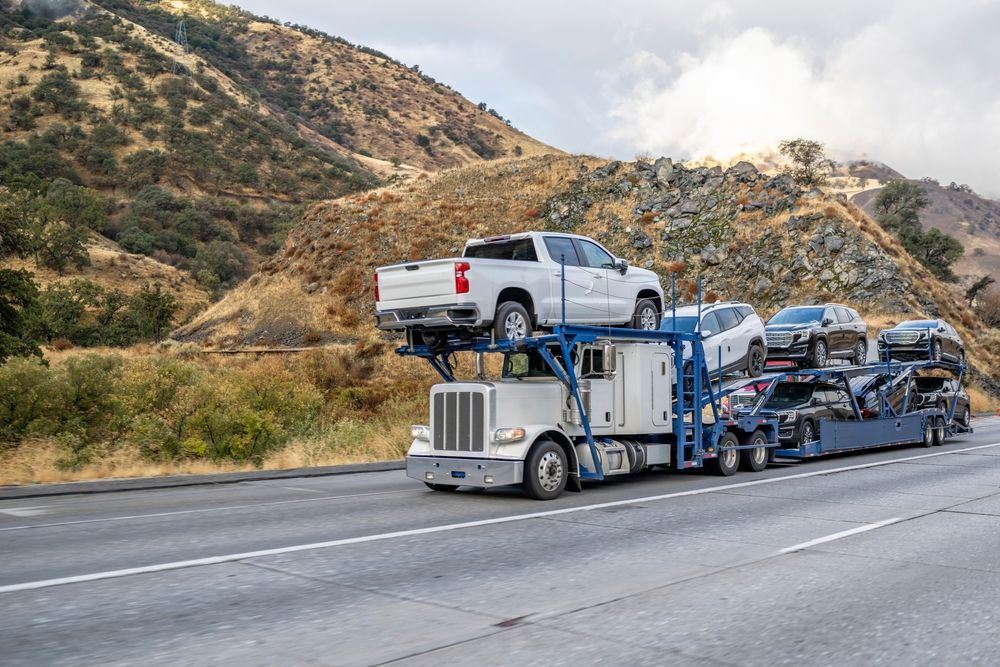
When you're in the auto transport business, your crew is your backbone. Whether they're behind the wheel of a heavy-duty truck hauling expensive vehicles across the country, securing loads, or managing logistics on the ground, your employees face unique risks every single day. That’s why workers’ compensation insurance isn’t just a legal checkbox — it’s a critical part of your business’s survival strategy. But before you sign any workers’ comp policy, there are some things you absolutely need to know. This guide exposes what insurance companies won’t tell you, how to avoid hidden costs, and why a cookie-cutter policy can leave you broke when you need help the most.
Why Auto Transport Workers Face Distinct Risks
Auto transport isn’t like other industries. It involves long hours on the road, handling vehicles that can cost more than a small house, and performing physically demanding tasks in unpredictable environments. The job isn’t just hard — it’s hazardous. Drivers deal with weather, road hazards, fatigue, and deadlines. Ground crews load and unload vehicles, sometimes using hydraulic lifts or ramps, increasing their exposure to musculoskeletal injuries. Even a momentary lapse in safety protocols can lead to serious accidents. Because of this, your crew’s exposure to injury is significantly higher than someone sitting behind a desk or even working in a general warehouse.
This higher risk profile translates to increased premiums — but that’s only the start of the story. Many business owners don’t realize that how you describe your business activities to the insurance carrier has a massive impact on how your policy is priced, and more importantly, how claims are handled. Misclassifying your workers — even unintentionally — can lead to claim denials, back charges, or worse, legal troubles with your state’s labor department.
The Hidden World of Classification Codes
When applying for workers’ comp insurance, your employees are assigned classification codes. These codes represent the type of work they do, and they directly affect your premium rate. For example, a clerical worker in an office might have a rate of 25 cents per $100 in payroll, while an auto hauler might be $8 to $15 per $100 — or even more, depending on the state and prior claims history.
Many agents simply ask, “What does your company do?” If you answer “We transport vehicles,” they may plug in a general code without understanding the scope of your operations. Are your drivers involved in loading and unloading? Do they drive across state lines? Do they ever work with salvage yards, or transport damaged or non-operational vehicles? These nuances matter. The wrong code can cost you thousands in overpaid premiums — or worse, invalidate coverage when a claim is filed.
To make things trickier, your state’s workers’ comp board might interpret classification codes differently than your insurance carrier. This discrepancy can result in audits, penalties, or retroactive premium adjustments that can devastate a small business. That’s why it’s essential to work with a broker or insurance specialist who understands the auto transport industry inside and out.
Why Workers Comp Is Not Optional — Even If You Use Independent Contractors
Some business owners try to avoid the high cost of workers’ compensation by classifying drivers and crew members as independent contractors. On paper, this seems like a clever way to reduce payroll liabilities. But regulators and insurance auditors are cracking down on this practice hard — and if you’re caught misclassifying workers, the penalties can be ruinous.
The IRS, Department of Labor, and most state labor boards have strict guidelines for what defines a contractor versus an employee. Just because someone signs a 1099 form doesn’t mean they’re a legitimate contractor. If your drivers wear your company uniform, use your trucks, follow your schedules, or operate under your DOT number, regulators will likely view them as employees — regardless of what your contract says.
In the event of an accident, if a 1099 driver files a claim and it’s found that they were effectively working as an employee, you could be personally liable for their medical bills, lost wages, and disability payments — with no insurance coverage to protect you. This isn’t fearmongering. It happens every day in the transport world, and many small operators have gone bankrupt because they tried to cut corners.
What Workers Comp Really Covers (And What It Doesn’t)
At its core, workers’ compensation insurance is designed to cover medical expenses, rehabilitation costs, and lost wages for employees injured on the job. If an employee dies due to a work-related incident, it can also provide death benefits to their family. But this doesn’t mean it’s a blank check for every incident that occurs.
Workers comp only kicks in when an injury is proven to be work-related. That means if a driver gets into an accident while deviating from their route for personal reasons — say, stopping to visit a friend or running a personal errand — the claim could be denied. If a ground crew member is injured while under the influence of drugs or alcohol, or if safety protocols weren’t followed, the insurer might refuse to pay. And if your policy wasn’t properly underwritten — because of misclassification, inaccurate payroll reporting, or undisclosed operations — the insurer may rescind coverage altogether.
Another area often misunderstood is cumulative trauma or repetitive stress injuries. Many insurers will challenge or deny claims for conditions like back problems or joint injuries unless they are clearly documented as arising from work duties. This means you need a clear safety and documentation process in place from day one. Training records, injury logs, and incident reports aren’t just paperwork — they’re legal armor in a claim dispute.
How to Lower Your Workers Comp Premium Without Cutting Coverage
Yes, auto transport has high-risk premiums, but that doesn’t mean you’re helpless. There are proven strategies to reduce your workers’ comp costs without sacrificing protection. The most powerful strategy? Build a culture of safety.
Insurers love businesses with a strong safety record. If you can demonstrate that you conduct regular safety training, have a written safety program, and enforce compliance with DOT regulations, you’re in a better negotiating position. Some carriers offer credits or reduced rates for companies that maintain clean loss histories, implement driver safety technology, or use telematics to monitor risky behavior.
Experience Modification Rates (EMRs) are another major factor. Your EMR is like a credit score for insurance — and it follows your business from one policy to another. A lower EMR means lower premiums, but it can only be improved by reducing the frequency and severity of claims over time. That means responding quickly to injuries, keeping injured workers involved in light-duty roles when possible, and showing your insurer that you’re proactive, not reactive.
Also, consider participating in a group self-insurance program or a professional employer organization (PEO) if available in your state. These arrangements pool your risk with other businesses, helping to stabilize rates. But be cautious — not all programs are reputable, and joining the wrong one can leave you exposed.
What Happens During a Workers Comp Audit (And How to Survive One)
At the end of every policy term, your insurer will likely perform a premium audit. This is where they compare the payroll and job classifications you reported at the beginning of the policy to your actual records. If there’s a discrepancy — say, you reported $250,000 in payroll but ended up paying $400,000 — they’ll charge you retroactively for the difference. If they find that workers were misclassified into lower-risk codes, they’ll re-rate your policy and issue a hefty bill.
Many business owners dread this audit, but with proper preparation, it doesn’t have to be painful. Keep detailed payroll records, job descriptions, timecards, and subcontractor agreements. Make sure your records clearly separate administrative, driving, and loading/unloading duties — especially if different employees perform different roles. If you’re using contractors, be sure to collect certificates of insurance and verify their coverage is active throughout the policy term. Otherwise, their payroll may be added to yours.
Red Flags That Your Insurance Agent May Not Know What They're Doing
Unfortunately, not all insurance agents understand the auto transport business. Some may quote you a cheap policy that seems great on the surface but leaves you vulnerable when a claim hits. Here are some warning signs: your agent can’t explain classification codes, they don’t ask detailed questions about your operations, or they promise “universal coverage” without exclusions. Be wary of agents who offer unusually low premiums — especially if they don’t back it up with a full risk assessment or safety review.
A competent agent should understand DOT regulations, trucker-specific risk factors, and the difference between intrastate and interstate operations. They should help you identify ways to reduce risk and audit exposure, not just sell you a policy and disappear. If they seem more interested in closing the sale than understanding your business, walk away.
Emerging Risks in the Auto Transport Industry That Impact Insurance
The auto transport world is changing fast. Electric vehicles introduce new hazards — like lithium-ion battery fires and high-voltage shocks. Autonomous driving features are creating confusion about liability in accidents. Increasing traffic congestion, distracted drivers, and volatile fuel prices add to your crew’s daily stress. And as more customers demand faster delivery, your team may face more pressure — increasing the chance of fatigue-related accidents.
All of these developments have insurance implications. If your drivers handle EVs, your policy should reflect the added risk. If you’re investing in new technology like dash cams, GPS tracking, or load monitoring sensors, you might be eligible for insurance credits — but only if your carrier knows about them. Being transparent with your agent about how your business is evolving isn’t just smart — it’s essential to stay protected.

Recent News

10 Key Factors to Consider When Selling Workers Comp Insurance in California

California Workers Comp Insurance Explained: A Guide for Agents and Brokers

Workers Comp Insurance California: What Every Insurance Broker Needs to Know

How Insurance Agents Can Help California Businesses Find the Right Workers Comp Insurance

Workers Comp Insurance California: A Complete Guide for Insurance Agents and Brokers

California Workers' Compensation Insurance for Butcher Shops: What You Need to Know

How to Find Affordable Workers Comp Insurance in California for Butcher Shops

Workers Comp Insurance for Butcher Shops in California: Costs, Coverage, and Benefits

Why Butcher Shops in California Need Workers' Compensation Insurance

Workers Comp Insurance California for Butcher Shops: A Complete Guide for Owners