
Why Your Machine Shop Needs Better Workers Comp Coverage—Right Now | WIMC
May 23, 2025
See How We're Different
or call us: 866-226-4436
Why Your Machine Shop Needs Better Workers Comp Coverage—Right Now
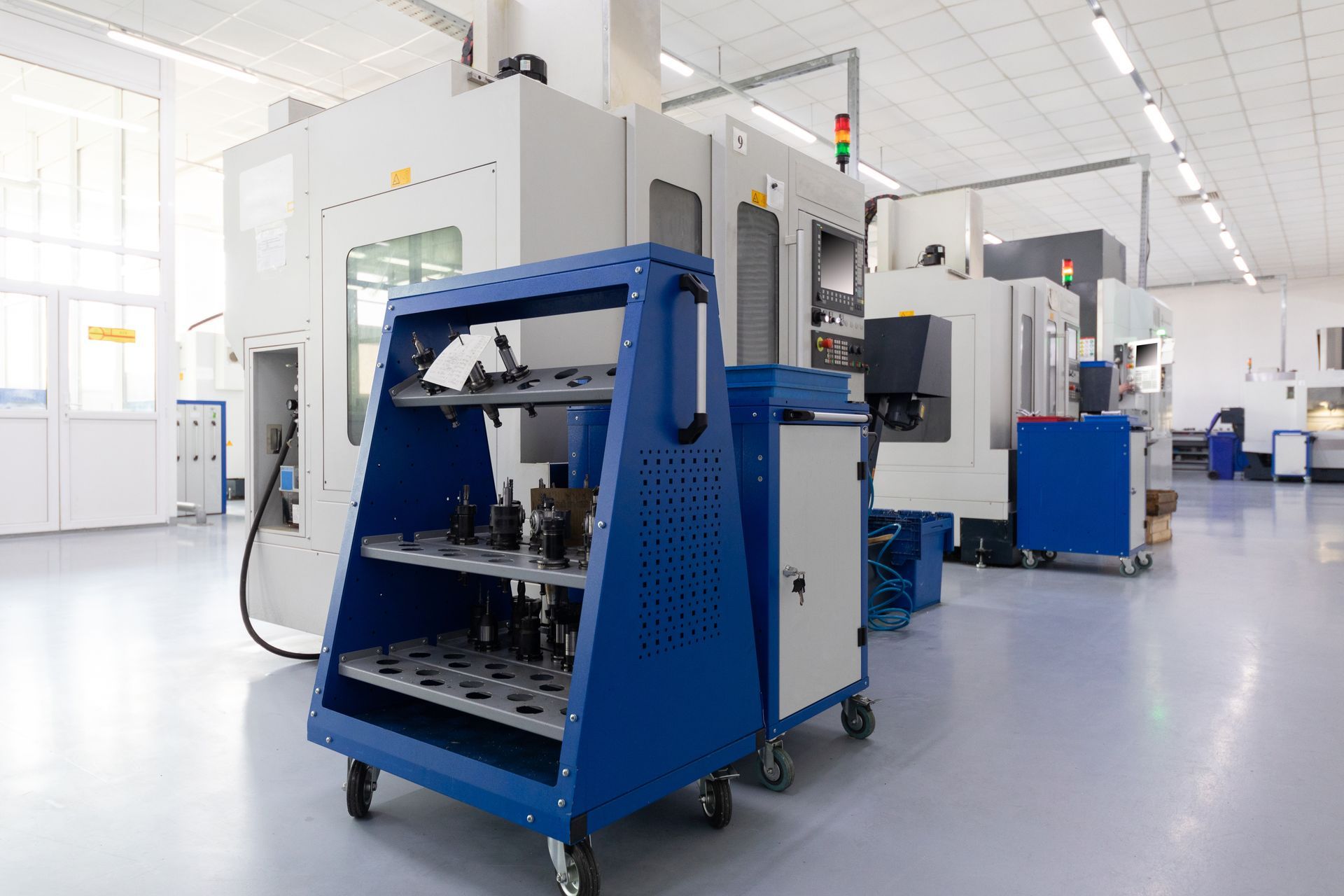
As a business owner in the manufacturing or machine shop industry, you are no stranger to the complexities that come with maintaining a safe and productive workplace. The equipment, the tools, and the machines you use on a daily basis can be powerful, and unfortunately, that means they also have the potential to cause harm if not handled with proper care. The safety of your workers is paramount to the success of your business, and one of the most crucial elements in maintaining this safety is ensuring that you have the right workers’ compensation (workers comp) coverage.
Unfortunately, many business owners in the machine shop industry do not fully understand the importance of having robust workers' compensation insurance. In fact, some may even assume that their existing coverage is adequate, only to realize after an accident that it doesn't provide enough protection for their employees or their business. In this blog post, we’ll explore why your machine shop needs better workers comp coverage right now and how it can benefit both your workers and your bottom line.
Understanding Workers' Compensation Insurance
At its core, workers’ compensation insurance is a system that provides financial benefits to employees who suffer job-related injuries or illnesses. In exchange for these benefits, employees give up their right to sue the employer for negligence, which creates a “no-fault” system that benefits both parties.
For employers, workers' compensation coverage helps to mitigate the risk of legal action and provides protection in case of an accident or injury at the workplace. For employees, the insurance covers medical expenses, lost wages, and rehabilitation costs resulting from injuries sustained while working. It also provides compensation for permanent disabilities and, in some cases, death benefits for the family of workers who suffer fatal accidents.
While the specifics of workers' compensation laws vary from state to state, it is mandatory for most businesses to carry this insurance. Failing to maintain proper workers' compensation coverage can result in severe legal and financial consequences, including fines, penalties, and lawsuits.
The Unique Risks in a Machine Shop Environment
Machine shops come with a unique set of risks. The nature of the work involves the use of heavy machinery, sharp tools, chemicals, and other potentially hazardous materials. Even with the strictest safety protocols, accidents can happen. From minor cuts and burns to more serious injuries like amputations or fatalities, the risks in a machine shop are far higher than in many other industries.
Given these risks, machine shop owners must ensure that their workers’ compensation coverage is comprehensive enough to cover a wide range of potential accidents. A minor injury can quickly escalate if the worker needs extended medical care or rehabilitation. Worse, a severe injury can result in long-term disabilities that affect the worker’s ability to continue working in the future.
Machine shop owners must account for the physical demands of the job, the use of specialized equipment, and the nature of the work when determining the appropriate amount of coverage. A one-size-fits-all policy may not provide sufficient protection, which is why it’s essential to review and update your workers’ compensation insurance regularly.
Why Your Machine Shop Needs Better Workers' Compensation Coverage
Protecting Your Workers’ Health and Safety
Your employees are your most valuable asset, and ensuring their safety should always be your top priority. In a machine shop, the risk of serious injuries is ever-present. From machinery malfunctions to accidents with cutting tools or exposure to toxic substances, the potential for harm is high. Without proper workers' compensation coverage, a worker injured on the job may face significant financial strain due to medical bills, lost wages, and ongoing treatment costs.
A well-structured workers' compensation policy helps protect both the employee and the employer by ensuring that injured workers have access to necessary medical care and financial support. This reduces the likelihood of employees feeling financially stressed or burdened during their recovery process, which can, in turn, expedite their return to work.
Avoiding Financial Losses and Lawsuits
The financial impact of a workplace injury can extend beyond just the medical costs. Machine shops are often involved in intricate, high-stakes work, which can sometimes lead to expensive legal battles. If an accident occurs and the company’s workers' compensation insurance is insufficient, the injured worker may have the right to file a lawsuit for negligence, which can result in devastating financial losses for your business.
In addition to the direct legal expenses associated with a lawsuit, a poorly managed workers' compensation claim can damage your reputation and negatively affect employee morale. Employees may feel unsafe working in a shop where they don’t feel adequately protected by their employer. This, in turn, can reduce productivity and increase turnover rates, further harming the business.
Reducing Workplace Stress and Improving Employee Morale
When workers feel that their employer has invested in their safety, it fosters a sense of trust and loyalty. A comprehensive workers' compensation policy reassures employees that the company values their well-being and is committed to providing financial and medical support in the event of an injury. This can lead to a more positive and productive workplace culture, which is crucial in a high-risk environment like a machine shop.
On the other hand, when workers are left feeling unsupported or unsure about their rights in the case of an injury, stress levels increase, which can have a negative impact on their performance and overall job satisfaction. This can also lead to increased absenteeism and even more serious safety concerns. Workers who feel secure are more likely to remain engaged and productive, which ultimately benefits the entire organization.
Minimizing Workers' Compensation Costs
While it may seem counterintuitive, investing in better workers’ compensation coverage can actually save your business money in the long run. If you only carry the minimum required coverage, your machine shop might find itself facing significant out-of-pocket expenses when an accident happens. The costs associated with a workers’ compensation claim can quickly add up, including medical expenses, legal fees, and any necessary rehabilitation costs. If the injury is severe, your business could be liable for lost wages or even death benefits.
Additionally, if your workers' compensation insurance is inadequate, it can result in higher premiums. Insurance companies may raise your rates if they perceive your business as a high-risk operation. By investing in comprehensive coverage now, you may be able to reduce the likelihood of a costly claim down the road and help stabilize your insurance premiums over time.
Complying with State and Federal Regulations
Workers' compensation laws are mandated at both the state and federal levels, with each state having its own set of rules and regulations. Some states require specific coverage limits based on the number of employees, while others may have different types of coverage for different industries. In addition to state-specific requirements, the federal government mandates workers' compensation coverage for certain types of businesses, including those in the federal sector.
Non-compliance with these regulations can result in significant fines, penalties, and even legal action. Even if you think your current workers' compensation coverage meets the minimum requirements, it’s important to check whether it complies with the specific regulations in your state. Failing to meet these requirements can put your business at risk for costly legal battles and fines.
Staying Competitive in the Market
In a competitive industry like machine shops, it’s crucial to not only focus on production and efficiency but also to attract and retain top talent. Workers are more likely to choose an employer who provides them with the security and peace of mind that comes with comprehensive workers’ compensation coverage.
When job candidates are evaluating potential employers, benefits like workers' compensation can be a deciding factor. Offering better coverage not only sets your business apart from competitors but also improves retention rates. Employees who know that their well-being is protected are more likely to stay with a company long-term, reducing the costs associated with recruitment and training new employees.
Dealing with Long-Term Injuries and Disabilities
In the unfortunate event that an employee suffers a serious, long-term injury, a strong workers' compensation policy becomes even more important. Chronic injuries, permanent disabilities, or long recovery periods can have a significant impact on both the worker and the company. Without proper coverage, you may find yourself responsible for ongoing medical expenses, rehabilitation costs, and wage replacement.
A well-designed workers' compensation policy ensures that both the worker and the employer are protected in these cases. For the employee, this means financial security during their recovery process, and for the employer, it means that the costs associated with long-term injuries are managed effectively.

Recent News

Safeguard your assets! Discover what an equipment Save plan covers, its benefits, and how it compares to warranties and insurance.

You can get a workers' comp insurance Equipment in a few quick minutes with Thimble. The peace of mind knowing your employees and your business are protected.

We offers workers' compensation insurance for Education and Childcare in Westminster, CA. Explore insurance, equipment insurance and general liability.

In most states, workers' compensation insurance doesn't cover volunteers, and a company's general liability insurance may not either.

In most states, coverage is compulsory for employers with penalties for those who do not comply. However, for various historical and political.

Quick Steps to Secure Workers' Comp Insurance in Under 10 Minutes Speed ... Get the best workers' comp insurance for plumbers in under 10 minutes.

The Workers' Compensation for Daycare insurance Act entitles employees to receive prompt, effective medical treatment for on-the-job injuries no matter who is at fault.

One of the foundational elements in determining workers' compensation premiums is the classification code assigned to a business.

We offers workers' compensation insurance for Education and Childcare in Westminster, CA. Explore insurance, equipment insurance and general liability.

We offers workers' compensation insurance for Nanny in Westminster, CA. Explore insurance, equipment insurance and general liability insurance.