
Why Carpenters Are Wasting Thousands Without the Right Workers Comp Plan | WIMC
May 16, 2025
See How We're Different
or call us: 866-226-4436
Why Carpenters Are Wasting Thousands Without the Right Workers Comp Plan
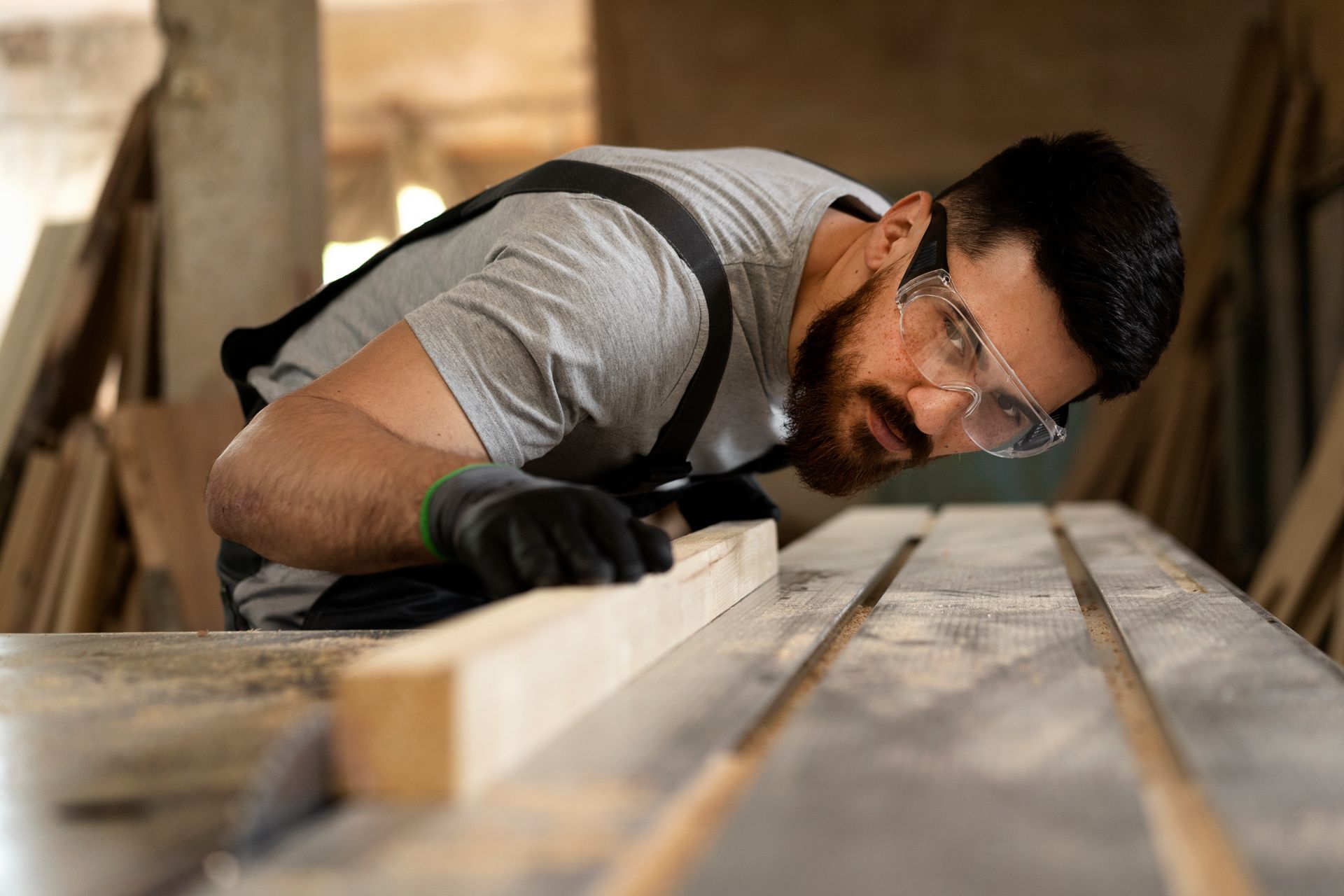
Carpentry, like many trades, is a hands-on and physically demanding profession. From building structures to crafting intricate woodworks, carpenters face various risks and challenges while on the job. Whether it’s a commercial project or residential work, the physical nature of carpentry can lead to unexpected injuries or accidents. However, what many carpenters might not realize is that without the right workers’ compensation (workers' comp) plan in place, they could be wasting thousands of dollars, risking their financial stability, and exposing themselves to unnecessary liabilities. This blog aims to explore why having the right workers' comp coverage is crucial for carpenters and how not having it, or not having the right coverage, can result in significant financial losses.
The Risks Carpentry Workers Face on the Job
Before diving into why the right workers' comp plan is essential, it’s important to understand the risks carpenters face. Carpentry is not a job for the faint-hearted. The profession requires working with power tools, heavy materials, and navigating environments that can be hazardous. Some of the most common risks carpenters encounter include:
- Cuts and Lacerations: Carpentry tools such as saws, drills, hammers, and chisels are designed to cut and shape wood. Unfortunately, these tools can also cause deep cuts or lacerations when not handled correctly or when accidents happen.
- Falling: Carpenters often work at elevated heights when building roofs, installing windows, or constructing multi-story buildings. Falls from heights are one of the leading causes of injury in the carpentry profession.
- Back and Joint Injuries: Carpenters frequently lift heavy materials, bend, and twist while working in tight spaces. This can lead to back, neck, and joint injuries over time, especially if the proper ergonomic practices aren’t followed.
- Repetitive Stress Injuries: The repetitive motion of using certain tools and performing certain tasks can result in stress injuries over time, such as carpal tunnel syndrome, tendonitis, and other musculoskeletal disorders.
- Strains and Sprains: Lifting and handling heavy materials like plywood or beams can lead to strains and sprains, which can leave a carpenter unable to work for an extended period.
These are just a few examples of the physical challenges carpenters face on a daily basis. The reality is that injuries are a part of the job. In fact, according to the Occupational Safety and Health Administration (OSHA), the construction industry—of which carpentry is a large part—has one of the highest injury rates in the country. This is why having a reliable and comprehensive workers' comp plan is so important.
Understanding Workers' Compensation Insurance
Workers' compensation insurance is designed to provide financial support and medical benefits to employees who are injured or become ill due to their job. This insurance covers a variety of expenses, including medical bills, rehabilitation costs, and a portion of lost wages. It also offers protection to the employer by limiting the amount of liability they could face in the event of a workplace injury.
In the carpentry industry, workers' comp insurance is not only a good idea but, in many cases, a legal requirement. The law varies from state to state, but in most cases, any business with employees must provide workers' comp coverage. For self-employed carpenters or small carpentry businesses, the decision to purchase workers' comp insurance might seem optional, but this assumption can lead to significant financial losses.
Why Carpenters Are Wasting Thousands Without the Right Workers' Comp Plan
Now that we understand the importance of workers' comp in protecting carpenters, let’s explore how many carpenters are wasting thousands of dollars by not having the right plan. Some may think that workers' comp insurance is an unnecessary expense or that they can get by without it. Others may assume that their existing plan is adequate when, in fact, it might not be the best fit for their specific needs. Here’s how carpenters can lose money without the proper coverage:
1. Overpaying for Inadequate Coverage
One of the biggest mistakes carpenters make is underestimating the level of coverage they need. Many carpenters rely on a basic workers’ comp policy that may seem affordable, but this coverage might not be enough to fully protect them in case of a serious accident. In these situations, carpenters end up paying more out of pocket to cover medical bills, lost wages, and other expenses that aren't fully covered by their insurance.
For example, if a carpenter suffers a severe injury, like a back injury from lifting heavy materials, the basic workers' comp policy may only cover a portion of their medical bills and lost wages. The rest must come out of their pocket, putting them in a precarious financial situation. This could mean that a small injury results in thousands of dollars of additional expenses, which could have been avoided with a more comprehensive workers' comp plan.
Additionally, some carpenters purchase workers' comp policies from providers who charge higher premiums than necessary. Without shopping around or understanding the full scope of the coverage, carpenters end up spending more than they should. In many cases, insurance providers may offer packages that include unnecessary coverage, raising premiums and making the plan more expensive than it needs to be.
2. Not Having Adequate Coverage for Subcontractors
Many carpenters hire subcontractors for certain aspects of a project. If the subcontractors are not properly covered under the workers' comp plan, the carpenter may be responsible for any injuries or accidents that occur. Some carpenters assume that subcontractors are responsible for their own insurance, but this assumption can be costly.
If a subcontractor is injured on the job and doesn’t have workers' comp coverage, the carpenter may be held financially liable for medical bills, legal fees, and any settlements that arise from the accident. This can lead to massive financial strain, especially if the injury is serious or if the subcontractor files a lawsuit. Having a workers' comp plan that covers subcontractors—or ensuring that subcontractors have their own coverage—can save a carpenter from these unexpected costs.
3. Legal Risks and Penalties
Operating without the right workers' comp plan also exposes carpenters to legal risks and penalties. In many states, it is a legal requirement to carry workers' compensation insurance for employees. If a carpenter fails to provide the necessary coverage, they may face fines, lawsuits, and other penalties.
In the event of an injury, the carpenter could be forced to pay out of pocket for the costs of medical treatment and lost wages. This could be financially devastating, especially if the injury results in long-term disability. Additionally, the carpenter could be subject to state fines and legal action for not complying with workers' comp laws. In some cases, workers’ comp violations can even result in the suspension of the business license.
4. Missing Out on Coverage for Specific Risks
Another issue that arises when carpenters don’t have the right workers' comp plan is that their policy might not cover certain types of risks. Carpenters face unique dangers that are not always covered by generic workers' comp insurance. For example, if a carpenter is working on a roof and falls, the injuries from the fall may not be fully covered if the policy does not include sufficient coverage for falls from heights.
Similarly, certain types of carpentry work, such as demolition or working with hazardous materials, may require additional coverage. A standard workers' comp policy might not account for the specific risks involved in these tasks. Without the right coverage, carpenters could face gaps in their protection and could be left responsible for any medical bills or lost wages.
5. Not Taking Advantage of Cost-Saving Opportunities
Carpenters who don’t invest the time to find the best workers' comp plan often miss out on potential cost-saving opportunities. Many states offer discounts for businesses that implement safety protocols or training programs to reduce workplace injuries. Additionally, some insurance providers offer lower premiums for businesses with a good track record of safety and minimal claims.
By neglecting to look into these opportunities, carpenters can miss out on substantial savings that could reduce the overall cost of workers' comp coverage. Investing in safety training for employees or implementing preventive measures can ultimately lead to lower premiums and better protection, helping carpenters save money in the long run.
6. The Impact of Not Being Covered in the Event of a Lawsuit
In the unfortunate event that a carpenter is sued for an injury or accident, not having the right workers' comp coverage can result in substantial financial losses. Without proper insurance, the carpenter might be forced to pay out of pocket for legal fees, court costs, and any settlements awarded to the injured party.
Even if the carpenter is not at fault for the accident, legal battles can be costly and time-consuming. Workers' comp insurance can cover legal fees, protecting the carpenter from the financial strain of defending against lawsuits. Without this protection, a lawsuit could drain a carpenter's savings and potentially damage their reputation and ability to continue working in the industry.

Recent News

10 Key Factors to Consider When Selling Workers Comp Insurance in California

California Workers Comp Insurance Explained: A Guide for Agents and Brokers

Workers Comp Insurance California: What Every Insurance Broker Needs to Know

How Insurance Agents Can Help California Businesses Find the Right Workers Comp Insurance

Workers Comp Insurance California: A Complete Guide for Insurance Agents and Brokers

California Workers' Compensation Insurance for Butcher Shops: What You Need to Know

How to Find Affordable Workers Comp Insurance in California for Butcher Shops

Workers Comp Insurance for Butcher Shops in California: Costs, Coverage, and Benefits

Why Butcher Shops in California Need Workers' Compensation Insurance

Workers Comp Insurance California for Butcher Shops: A Complete Guide for Owners