
How to Get Affordable Workers Compensation Insurance for Your Electrical Business

May 12, 2025

See How We're Different

GET A QUOTE

or call us: 866-226-4436

How to Get Affordable Workers Compensation Insurance for Your Electrical Business
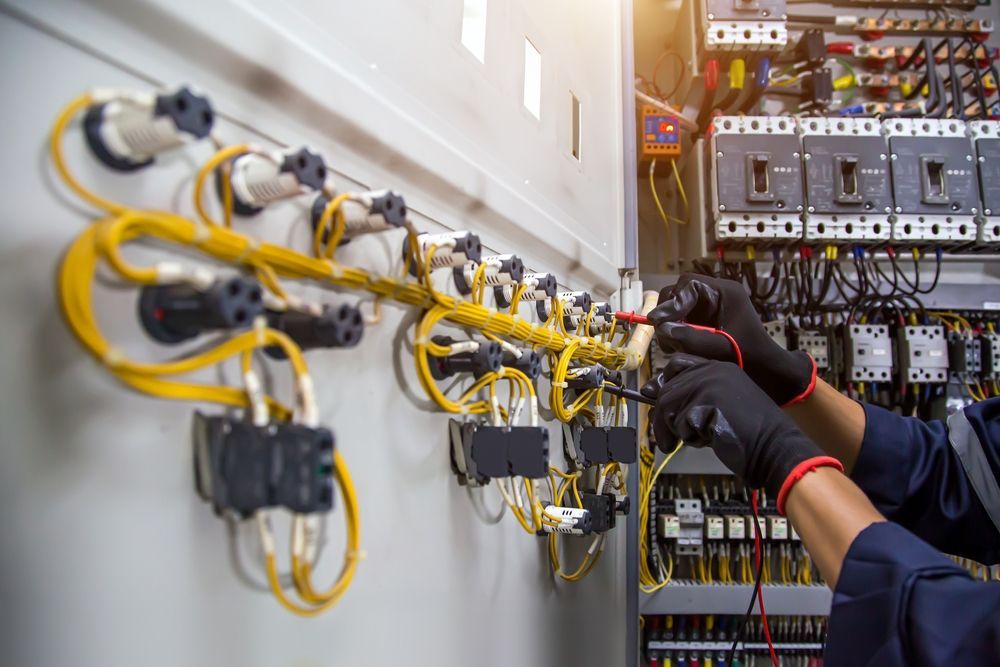
As a business owner in the electrical industry, ensuring the safety of your workers while meeting legal requirements is essential. Workers compensation insurance is designed to protect your employees in the event of an injury or illness that occurs on the job. However, for electrical businesses, obtaining affordable workers compensation insurance can often feel like a challenging task. It’s not just about meeting legal obligations; it’s about safeguarding your employees and ensuring the longevity of your business.

In this detailed guide, we’ll explore various strategies and insights that can help electrical business owners secure affordable workers compensation insurance without sacrificing coverage or risking non-compliance with legal requirements.

Understanding Workers Compensation Insurance for Electrical Businesses

Workers compensation insurance is a type of insurance that covers medical expenses, lost wages, and other associated costs for employees who get injured or fall ill due to their work. In many places, it is a legal requirement for businesses to carry workers compensation insurance. For electrical businesses, this type of coverage is especially important due to the nature of the work, which involves handling hazardous materials, working with electricity, and often working in high-risk environments such as construction sites or commercial buildings.

When you offer workers compensation insurance to your employees, you are protecting both your workforce and your company from potentially crippling financial consequences that can result from workplace accidents. Without this insurance, your business could face significant legal and financial liabilities in the event of an employee injury.

Factors That Affect the Cost of Workers Compensation Insurance for Electrical Businesses

Before diving into how to find affordable workers compensation insurance, it is crucial to understand the factors that influence the cost of premiums. Various aspects play a role in determining how much you will pay for coverage. These factors include:
  1. Business Size and Payroll: The larger your electrical business and workforce, the higher your workers compensation premiums are likely to be. The more employees you have, the greater the potential for claims, which is reflected in your premium rates. Similarly, if you have a higher payroll, your insurance cost will also be adjusted accordingly.
  2. Industry Risk Classification: Workers compensation insurance premiums are heavily influenced by the risk level associated with the type of work your employees perform. Electrical work is considered a high-risk occupation because it involves working with electrical systems, machinery, and sometimes dangerous tools. The insurance provider will use industry classification codes to assess the risk and price the premiums accordingly.
  3. Claims History: Insurance providers look at your company's past claims history. If you have a history of frequent claims, insurers may consider your business a higher risk, which could lead to higher premiums. On the other hand, a clean record with few or no claims can help reduce your premiums.
  4. Location: Insurance regulations and rates vary by region, which means the location of your electrical business will play a significant role in determining your premiums. States or countries with stricter workers compensation laws or higher healthcare costs may have higher premiums.
  5. Safety Programs and Workplace Conditions: Insurers often reward businesses that demonstrate a commitment to safety. If you have a well-documented safety program, conduct regular training, and follow strict safety standards, you may be able to negotiate a lower premium. The fewer the workplace injuries, the lower the risk for the insurer, and the cheaper your premiums may become.
  6. Type of Coverage: The level of coverage you choose will also impact your premium. Basic coverage is usually less expensive, but it may not provide the protection your electrical business needs. On the other hand, comprehensive coverage that includes additional protections like disability or death benefits will cost more.
  7. Experience Modification Rate (EMR): This is a factor used by insurers to determine your business’s risk based on past injury records compared to other similar businesses. A lower EMR indicates fewer injuries and a safer work environment, which can lead to reduced premiums. An EMR greater than 1.0 will usually result in higher premiums.
Steps to Getting Affordable Workers Compensation Insurance for Your Electrical Business

Now that you have a better understanding of the factors influencing the cost of workers compensation insurance, let’s explore several steps you can take to reduce the cost of coverage without sacrificing essential protection.

Shop Around for Multiple Quotes

One of the most effective ways to find affordable workers compensation insurance is to shop around and get quotes from multiple providers. Different insurance companies may have different pricing structures and risk assessments, so it’s essential to compare several options before making a decision. While it may take a little time to gather quotes, it can potentially save you a significant amount of money.

When getting quotes, make sure to provide accurate and detailed information about your electrical business. Insurers will base their prices on the information you provide, so inaccuracies or underreporting could lead to higher premiums. Consider reaching out to an insurance broker who specializes in workers compensation insurance for electrical businesses—they can help you identify potential insurers that offer competitive rates.

Implement and Document a Strong Safety Program

As mentioned earlier, workers compensation insurance premiums are often reduced for businesses that have an active and well-documented safety program in place. Implementing a strong safety program can help prevent workplace injuries, demonstrate your commitment to employee well-being, and show the insurer that you’re taking proactive measures to reduce risk.

Make sure to regularly train your employees on proper safety protocols, use personal protective equipment (PPE) when necessary, and conduct safety audits to identify potential hazards. If you’re not sure where to begin, you can work with an expert in workplace safety who can help you create and implement a comprehensive safety program. Additionally, ensure that you are consistently documenting all safety practices, inspections, and training sessions. Having clear and thorough records can provide proof to the insurer that your business takes safety seriously, which can result in a more favorable premium.

Review Your Business’s Classification Code

The National Council on Compensation Insurance (NCCI) assigns classification codes to businesses based on the type of work they do. For electrical businesses, your NCCI code will fall under one of the higher-risk categories, but there could be variations depending on the specific nature of the work you do.

Make sure that your business’s classification code accurately reflects the type of work your employees perform. If you’re classified incorrectly, it could lead to higher premiums. For example, if your business only performs low-risk electrical work but is classified as a high-risk business, you may be paying more than necessary. Regularly review your classification code with your insurance provider to ensure it remains accurate.

Maintain a Clean Claims History

A clean claims history is one of the most significant factors in securing affordable workers compensation insurance. If your business has a history of frequent or costly claims, insurers may consider your business high-risk, resulting in higher premiums.

To maintain a clean claims history, it’s essential to prioritize workplace safety and prevent accidents before they happen. Encourage employees to report any potential hazards, and take immediate action to mitigate risks. Additionally, if an injury or claim does occur, make sure to handle it efficiently, ensure that the employee receives proper treatment, and address any safety concerns to prevent future incidents.

Consider a Higher Deductible

Choosing a higher deductible is another way to reduce your workers compensation insurance premiums. A deductible is the amount of money your business must pay out of pocket before the insurance coverage kicks in. By increasing the deductible, you assume more financial responsibility for claims, which can lower your premium.

However, this approach requires careful consideration. If your electrical business has a strong safety record and you can afford to cover higher out-of-pocket costs in the event of an injury, opting for a higher deductible can be a cost-effective option. But if your business is prone to claims or you are unable to handle larger out-of-pocket expenses, a higher deductible may not be the right choice.

Work with an Experienced Insurance Broker

Finding affordable workers compensation insurance is not always easy, especially for businesses in high-risk industries like electrical work. Working with an experienced insurance broker who specializes in workers compensation can help you navigate the complexities of insurance policies and identify potential discounts or coverage options that you might have missed.

A good insurance broker can evaluate your business’s needs, provide advice on the right coverage, and help you secure the best rates. They will also have established relationships with insurance companies and can help you negotiate the most competitive premiums available.

Consider Alternative Coverage Options

In some cases, electrical businesses may be eligible for group or industry-specific workers compensation programs that offer discounted rates. These programs pool the resources of multiple businesses within the same industry to provide more affordable insurance options. If your electrical business is part of an industry association or trade group, inquire about any group insurance options available to you.

Additionally, if you have a relatively small number of employees or operate in a low-risk environment, you may be eligible for alternative coverage options, such as self-insurance or captive insurance. These alternatives can offer more flexibility in terms of pricing and coverage, but they may require more upfront costs and administrative responsibilities.

Monitor and Adjust Your Coverage Regularly

Your business’s needs may change over time, so it’s important to regularly review your workers compensation insurance coverage to ensure it remains adequate and cost-effective. As your business grows or changes, the risks and needs may evolve, which could impact the amount of coverage you need or the premiums you pay.

Conduct periodic reviews of your policy, especially if you experience significant growth, reduce your workforce, or change the type of work you do. Adjust your coverage accordingly to avoid overpaying for unnecessary protection or underinsuring your employees.

employee benefits solutions

California Insurance Agent

We can help you with any of your insurance needs!

Recent News

By Amelia Manzoor May 23, 2025
Securing the best workers' compensation insurance is essential for any plumbing business. As a plumber, whether you're a sole proprietor or manage a team, ensuring you and your employees are protected against workplace injuries is both a legal requirement and a financial safeguard. Navigating the complex world of insurance can seem daunting, but with the right approach, you can find excellent coverage tailored to your needs in less than ten minutes. This comprehensive guide will walk you through everything you need to know to make an informed decision quickly and efficiently. Understanding the Importance of Workers' Compensation Insurance for Plumbers Plumbers face unique occupational hazards every day. From working in confined spaces and dealing with pressurized systems to exposure to hazardous materials, the potential for injury is significant. Workers' compensation insurance is designed to cover medical expenses, rehabilitation costs, and lost wages resulting from job-related injuries. Additionally, it protects your business from lawsuits that could arise if an employee is injured on the job. This coverage is not just a smart business move; in most states, it is mandatory. Failure to maintain adequate insurance can result in severe penalties, including fines, stop-work orders, and even criminal charges. Ensuring your business is compliant not only keeps you protected legally but also enhances your reputation among clients and contractors. Common Risks Faced by Plumbers The plumbing industry involves physically demanding tasks. Lifting heavy objects, operating power tools, and working in unpredictable environments can lead to injuries ranging from back strains to more severe accidents like falls or electrocution. Workers' compensation provides the necessary safety net to ensure that when incidents occur, the financial burden does not fall solely on the business or the individual. Beyond physical injuries, exposure to chemicals such as solvents, adhesives, and other hazardous substances poses a health risk. Workers' compensation also extends to occupational illnesses, providing coverage for conditions that develop over time due to workplace exposure. How Workers' Compensation Benefits Plumbers and Business Owners For plumbers, having comprehensive workers' compensation insurance means peace of mind. Knowing that medical costs and wage replacement will be available in the event of an injury allows workers to focus on recovery without financial stress. For business owners, it minimizes liability and helps maintain operational continuity by covering employee expenses during their recovery period. Moreover, this type of insurance fosters a culture of safety and responsibility within your team. Employees are more likely to adhere to safety protocols when they know that their employer values their well-being and is prepared for emergencies. Key Factors to Consider When Shopping for Workers' Comp Insurance To find the best workers' compensation insurance for your plumbing business, consider the scope of coverage, the insurer's reputation, the cost of premiums, and the quality of customer service. Your policy should be comprehensive, including coverage for medical treatment, disability benefits, vocational rehabilitation, and death benefits if applicable. Different insurers offer varying levels of service and support. Some provide user-friendly online platforms for managing claims and policies, which can be particularly useful for busy business owners. Check for reviews and testimonials from other plumbing businesses to gauge satisfaction levels and responsiveness. While cost is always a consideration, the cheapest policy isn’t always the best. Ensure that the coverage limits and exclusions align with your business's needs. High deductibles or limited coverage can lead to greater out-of-pocket expenses in the event of a claim. Quick Steps to Secure Workers' Comp Insurance in Under 10 Minutes Speed and efficiency are crucial for small business owners. In today’s digital age, securing insurance quickly is more feasible than ever. To start, gather all necessary information about your business, including the number of employees, payroll estimates, and job classifications. Having this data on hand will streamline the application process. Next, utilize modern insurance platforms that specialize in small business coverage. These platforms often allow for instant quotes based on your provided information. Compare multiple offers to identify the best combination of price and coverage. Be ready to answer questions about your safety protocols, past claims history, and business operations. Transparency helps ensure you receive accurate quotes and builds trust with your prospective insurer. Once you select a policy, the final steps typically involve e-signing documents and submitting payment. Many insurers offer instant proof of coverage, so you can get back to running your business without delay. Why Time Efficiency Matters in Choosing Insurance Time is a critical resource for plumbers who juggle job sites, customer service, and business operations. Spending hours researching insurance options can be counterproductive. Finding a reliable and fast insurance provider not only saves time but also reduces stress. By streamlining the process, you free up valuable hours that can be redirected toward serving clients and growing your business. Modern technology has made it possible to balance efficiency with thoroughness, allowing you to make confident insurance decisions swiftly. Understanding Policy Terms and What to Look Out For Reading and understanding your insurance policy is crucial. Pay attention to terms such as premium, deductible, coverage limit, exclusions, and endorsements. These elements dictate how your policy will function in the event of a claim. Make sure you understand how claims are filed and processed. Know who your point of contact will be and what documentation is required. Familiarizing yourself with these details ensures that, should an incident occur, the process will be smooth and timely. Also, verify the insurer’s financial stability and their history of claims payments. A provider with a solid track record is more likely to offer dependable support when you need it most. The Role of Brokers in Simplifying the Process Insurance brokers can be invaluable allies in securing the right coverage quickly. They understand the nuances of different policies and can match you with an insurer that meets your specific needs. Working with a broker does not typically cost more, as they are compensated by the insurer. Brokers save time by handling much of the legwork, such as gathering quotes, explaining terms, and assisting with applications. Their industry knowledge can also help you uncover discounts or coverage options you might have otherwise missed. Staying Compliant with State Regulations Each state has its own requirements for workers' compensation insurance. Make sure you understand the laws in your area to avoid penalties. Some states allow businesses to purchase insurance through private carriers, while others operate state-funded programs. A few states require businesses to purchase coverage exclusively through state programs. Knowing your state’s requirements helps you avoid legal issues and ensures that your coverage is adequate. If you operate across state lines, ensure that your policy extends to all relevant jurisdictions. Reviewing and Updating Your Policy Regularly Your insurance needs may change as your business grows. Periodically reviewing your policy ensures that it remains aligned with your current operations. Update your insurer on changes such as hiring new employees, expanding services, or increasing payroll. Annual reviews are a good practice to confirm that you have adequate coverage and are not overpaying for insurance. Discussing your evolving needs with your insurer or broker can help you adjust your policy to maintain optimal protection. Leveraging Technology for Insurance Management Modern insurance companies offer digital tools that make managing your policy easier. These include mobile apps, online dashboards, and automated reminders for payments and renewals. Embracing these tools enhances your efficiency and ensures you stay on top of important deadlines. Digital platforms often allow for real-time updates, policy document access, and claims tracking. This level of transparency and control is invaluable for busy plumbers who need to manage their business on the go. Planning for the Unexpected with the Right Insurance Accidents are unpredictable, but your response doesn’t have to be. By securing comprehensive workers' compensation insurance quickly and effectively, you create a safety net that benefits both you and your employees. This proactive approach reduces downtime, enhances morale, and reinforces your commitment to a safe working environment. Your business deserves protection that is as reliable and hardworking as you are. Investing a few minutes to secure the right insurance can save you hours of stress and thousands in potential losses down the line.
By Amelia Manzoor May 23, 2025
Securing the best workers' compensation insurance is essential for any plumbing business. As a plumber, whether you're a sole proprietor or manage a team, ensuring you and your employees are protected against workplace injuries is both a legal requirement and a financial safeguard. Navigating the complex world of insurance can seem daunting, but with the right approach, you can find excellent coverage tailored to your needs in less than ten minutes. This comprehensive guide will walk you through everything you need to know to make an informed decision quickly and efficiently. Understanding the Importance of Workers' Compensation Insurance for Plumbers Plumbers face unique occupational hazards every day. From working in confined spaces and dealing with pressurized systems to exposure to hazardous materials, the potential for injury is significant. Workers' compensation insurance is designed to cover medical expenses, rehabilitation costs, and lost wages resulting from job-related injuries. Additionally, it protects your business from lawsuits that could arise if an employee is injured on the job. This coverage is not just a smart business move; in most states, it is mandatory. Failure to maintain adequate insurance can result in severe penalties, including fines, stop-work orders, and even criminal charges. Ensuring your business is compliant not only keeps you protected legally but also enhances your reputation among clients and contractors. Common Risks Faced by Plumbers The plumbing industry involves physically demanding tasks. Lifting heavy objects, operating power tools, and working in unpredictable environments can lead to injuries ranging from back strains to more severe accidents like falls or electrocution. Workers' compensation provides the necessary safety net to ensure that when incidents occur, the financial burden does not fall solely on the business or the individual. Beyond physical injuries, exposure to chemicals such as solvents, adhesives, and other hazardous substances poses a health risk. Workers' compensation also extends to occupational illnesses, providing coverage for conditions that develop over time due to workplace exposure. How Workers' Compensation Benefits Plumbers and Business Owners For plumbers, having comprehensive workers' compensation insurance means peace of mind. Knowing that medical costs and wage replacement will be available in the event of an injury allows workers to focus on recovery without financial stress. For business owners, it minimizes liability and helps maintain operational continuity by covering employee expenses during their recovery period. Moreover, this type of insurance fosters a culture of safety and responsibility within your team. Employees are more likely to adhere to safety protocols when they know that their employer values their well-being and is prepared for emergencies. Key Factors to Consider When Shopping for Workers' Comp Insurance To find the best workers' compensation insurance for your plumbing business, consider the scope of coverage, the insurer's reputation, the cost of premiums, and the quality of customer service. Your policy should be comprehensive, including coverage for medical treatment, disability benefits, vocational rehabilitation, and death benefits if applicable. Different insurers offer varying levels of service and support. Some provide user-friendly online platforms for managing claims and policies, which can be particularly useful for busy business owners. Check for reviews and testimonials from other plumbing businesses to gauge satisfaction levels and responsiveness. While cost is always a consideration, the cheapest policy isn’t always the best. Ensure that the coverage limits and exclusions align with your business's needs. High deductibles or limited coverage can lead to greater out-of-pocket expenses in the event of a claim. Quick Steps to Secure Workers' Comp Insurance in Under 10 Minutes Speed and efficiency are crucial for small business owners. In today’s digital age, securing insurance quickly is more feasible than ever. To start, gather all necessary information about your business, including the number of employees, payroll estimates, and job classifications. Having this data on hand will streamline the application process. Next, utilize modern insurance platforms that specialize in small business coverage. These platforms often allow for instant quotes based on your provided information. Compare multiple offers to identify the best combination of price and coverage. Be ready to answer questions about your safety protocols, past claims history, and business operations. Transparency helps ensure you receive accurate quotes and builds trust with your prospective insurer. Once you select a policy, the final steps typically involve e-signing documents and submitting payment. Many insurers offer instant proof of coverage, so you can get back to running your business without delay. Why Time Efficiency Matters in Choosing Insurance Time is a critical resource for plumbers who juggle job sites, customer service, and business operations. Spending hours researching insurance options can be counterproductive. Finding a reliable and fast insurance provider not only saves time but also reduces stress. By streamlining the process, you free up valuable hours that can be redirected toward serving clients and growing your business. Modern technology has made it possible to balance efficiency with thoroughness, allowing you to make confident insurance decisions swiftly. Understanding Policy Terms and What to Look Out For Reading and understanding your insurance policy is crucial. Pay attention to terms such as premium, deductible, coverage limit, exclusions, and endorsements. These elements dictate how your policy will function in the event of a claim. Make sure you understand how claims are filed and processed. Know who your point of contact will be and what documentation is required. Familiarizing yourself with these details ensures that, should an incident occur, the process will be smooth and timely. Also, verify the insurer’s financial stability and their history of claims payments. A provider with a solid track record is more likely to offer dependable support when you need it most. The Role of Brokers in Simplifying the Process Insurance brokers can be invaluable allies in securing the right coverage quickly. They understand the nuances of different policies and can match you with an insurer that meets your specific needs. Working with a broker does not typically cost more, as they are compensated by the insurer. Brokers save time by handling much of the legwork, such as gathering quotes, explaining terms, and assisting with applications. Their industry knowledge can also help you uncover discounts or coverage options you might have otherwise missed. Staying Compliant with State Regulations Each state has its own requirements for workers' compensation insurance. Make sure you understand the laws in your area to avoid penalties. Some states allow businesses to purchase insurance through private carriers, while others operate state-funded programs. A few states require businesses to purchase coverage exclusively through state programs. Knowing your state’s requirements helps you avoid legal issues and ensures that your coverage is adequate. If you operate across state lines, ensure that your policy extends to all relevant jurisdictions. Reviewing and Updating Your Policy Regularly Your insurance needs may change as your business grows. Periodically reviewing your policy ensures that it remains aligned with your current operations. Update your insurer on changes such as hiring new employees, expanding services, or increasing payroll. Annual reviews are a good practice to confirm that you have adequate coverage and are not overpaying for insurance. Discussing your evolving needs with your insurer or broker can help you adjust your policy to maintain optimal protection. Leveraging Technology for Insurance Management Modern insurance companies offer digital tools that make managing your policy easier. These include mobile apps, online dashboards, and automated reminders for payments and renewals. Embracing these tools enhances your efficiency and ensures you stay on top of important deadlines. Digital platforms often allow for real-time updates, policy document access, and claims tracking. This level of transparency and control is invaluable for busy plumbers who need to manage their business on the go. Planning for the Unexpected with the Right Insurance Accidents are unpredictable, but your response doesn’t have to be. By securing comprehensive workers' compensation insurance quickly and effectively, you create a safety net that benefits both you and your employees. This proactive approach reduces downtime, enhances morale, and reinforces your commitment to a safe working environment. Your business deserves protection that is as reliable and hardworking as you are. Investing a few minutes to secure the right insurance can save you hours of stress and thousands in potential losses down the line.
By Amelia Manzoor May 23, 2025
Securing the best workers' compensation insurance is essential for any plumbing business. As a plumber, whether you're a sole proprietor or manage a team, ensuring you and your employees are protected against workplace injuries is both a legal requirement and a financial safeguard. Navigating the complex world of insurance can seem daunting, but with the right approach, you can find excellent coverage tailored to your needs in less than ten minutes. This comprehensive guide will walk you through everything you need to know to make an informed decision quickly and efficiently. Understanding the Importance of Workers' Compensation Insurance for Plumbers Plumbers face unique occupational hazards every day. From working in confined spaces and dealing with pressurized systems to exposure to hazardous materials, the potential for injury is significant. Workers' compensation insurance is designed to cover medical expenses, rehabilitation costs, and lost wages resulting from job-related injuries. Additionally, it protects your business from lawsuits that could arise if an employee is injured on the job. This coverage is not just a smart business move; in most states, it is mandatory. Failure to maintain adequate insurance can result in severe penalties, including fines, stop-work orders, and even criminal charges. Ensuring your business is compliant not only keeps you protected legally but also enhances your reputation among clients and contractors. Common Risks Faced by Plumbers The plumbing industry involves physically demanding tasks. Lifting heavy objects, operating power tools, and working in unpredictable environments can lead to injuries ranging from back strains to more severe accidents like falls or electrocution. Workers' compensation provides the necessary safety net to ensure that when incidents occur, the financial burden does not fall solely on the business or the individual. Beyond physical injuries, exposure to chemicals such as solvents, adhesives, and other hazardous substances poses a health risk. Workers' compensation also extends to occupational illnesses, providing coverage for conditions that develop over time due to workplace exposure. How Workers' Compensation Benefits Plumbers and Business Owners For plumbers, having comprehensive workers' compensation insurance means peace of mind. Knowing that medical costs and wage replacement will be available in the event of an injury allows workers to focus on recovery without financial stress. For business owners, it minimizes liability and helps maintain operational continuity by covering employee expenses during their recovery period. Moreover, this type of insurance fosters a culture of safety and responsibility within your team. Employees are more likely to adhere to safety protocols when they know that their employer values their well-being and is prepared for emergencies. Key Factors to Consider When Shopping for Workers' Comp Insurance To find the best workers' compensation insurance for your plumbing business, consider the scope of coverage, the insurer's reputation, the cost of premiums, and the quality of customer service. Your policy should be comprehensive, including coverage for medical treatment, disability benefits, vocational rehabilitation, and death benefits if applicable. Different insurers offer varying levels of service and support. Some provide user-friendly online platforms for managing claims and policies, which can be particularly useful for busy business owners. Check for reviews and testimonials from other plumbing businesses to gauge satisfaction levels and responsiveness. While cost is always a consideration, the cheapest policy isn’t always the best. Ensure that the coverage limits and exclusions align with your business's needs. High deductibles or limited coverage can lead to greater out-of-pocket expenses in the event of a claim. Quick Steps to Secure Workers' Comp Insurance in Under 10 Minutes Speed and efficiency are crucial for small business owners. In today’s digital age, securing insurance quickly is more feasible than ever. To start, gather all necessary information about your business, including the number of employees, payroll estimates, and job classifications. Having this data on hand will streamline the application process. Next, utilize modern insurance platforms that specialize in small business coverage. These platforms often allow for instant quotes based on your provided information. Compare multiple offers to identify the best combination of price and coverage. Be ready to answer questions about your safety protocols, past claims history, and business operations. Transparency helps ensure you receive accurate quotes and builds trust with your prospective insurer. Once you select a policy, the final steps typically involve e-signing documents and submitting payment. Many insurers offer instant proof of coverage, so you can get back to running your business without delay. Why Time Efficiency Matters in Choosing Insurance Time is a critical resource for plumbers who juggle job sites, customer service, and business operations. Spending hours researching insurance options can be counterproductive. Finding a reliable and fast insurance provider not only saves time but also reduces stress. By streamlining the process, you free up valuable hours that can be redirected toward serving clients and growing your business. Modern technology has made it possible to balance efficiency with thoroughness, allowing you to make confident insurance decisions swiftly. Understanding Policy Terms and What to Look Out For Reading and understanding your insurance policy is crucial. Pay attention to terms such as premium, deductible, coverage limit, exclusions, and endorsements. These elements dictate how your policy will function in the event of a claim. Make sure you understand how claims are filed and processed. Know who your point of contact will be and what documentation is required. Familiarizing yourself with these details ensures that, should an incident occur, the process will be smooth and timely. Also, verify the insurer’s financial stability and their history of claims payments. A provider with a solid track record is more likely to offer dependable support when you need it most. The Role of Brokers in Simplifying the Process Insurance brokers can be invaluable allies in securing the right coverage quickly. They understand the nuances of different policies and can match you with an insurer that meets your specific needs. Working with a broker does not typically cost more, as they are compensated by the insurer. Brokers save time by handling much of the legwork, such as gathering quotes, explaining terms, and assisting with applications. Their industry knowledge can also help you uncover discounts or coverage options you might have otherwise missed. Staying Compliant with State Regulations Each state has its own requirements for workers' compensation insurance. Make sure you understand the laws in your area to avoid penalties. Some states allow businesses to purchase insurance through private carriers, while others operate state-funded programs. A few states require businesses to purchase coverage exclusively through state programs. Knowing your state’s requirements helps you avoid legal issues and ensures that your coverage is adequate. If you operate across state lines, ensure that your policy extends to all relevant jurisdictions. Reviewing and Updating Your Policy Regularly Your insurance needs may change as your business grows. Periodically reviewing your policy ensures that it remains aligned with your current operations. Update your insurer on changes such as hiring new employees, expanding services, or increasing payroll. Annual reviews are a good practice to confirm that you have adequate coverage and are not overpaying for insurance. Discussing your evolving needs with your insurer or broker can help you adjust your policy to maintain optimal protection. Leveraging Technology for Insurance Management Modern insurance companies offer digital tools that make managing your policy easier. These include mobile apps, online dashboards, and automated reminders for payments and renewals. Embracing these tools enhances your efficiency and ensures you stay on top of important deadlines. Digital platforms often allow for real-time updates, policy document access, and claims tracking. This level of transparency and control is invaluable for busy plumbers who need to manage their business on the go. Planning for the Unexpected with the Right Insurance Accidents are unpredictable, but your response doesn’t have to be. By securing comprehensive workers' compensation insurance quickly and effectively, you create a safety net that benefits both you and your employees. This proactive approach reduces downtime, enhances morale, and reinforces your commitment to a safe working environment. Your business deserves protection that is as reliable and hardworking as you are. Investing a few minutes to secure the right insurance can save you hours of stress and thousands in potential losses down the line.
By Amelia Manzoor May 23, 2025
Securing the best workers' compensation insurance is essential for any plumbing business. As a plumber, whether you're a sole proprietor or manage a team, ensuring you and your employees are protected against workplace injuries is both a legal requirement and a financial safeguard. Navigating the complex world of insurance can seem daunting, but with the right approach, you can find excellent coverage tailored to your needs in less than ten minutes. This comprehensive guide will walk you through everything you need to know to make an informed decision quickly and efficiently. Understanding the Importance of Workers' Compensation Insurance for Plumbers Plumbers face unique occupational hazards every day. From working in confined spaces and dealing with pressurized systems to exposure to hazardous materials, the potential for injury is significant. Workers' compensation insurance is designed to cover medical expenses, rehabilitation costs, and lost wages resulting from job-related injuries. Additionally, it protects your business from lawsuits that could arise if an employee is injured on the job. This coverage is not just a smart business move; in most states, it is mandatory. Failure to maintain adequate insurance can result in severe penalties, including fines, stop-work orders, and even criminal charges. Ensuring your business is compliant not only keeps you protected legally but also enhances your reputation among clients and contractors. Common Risks Faced by Plumbers The plumbing industry involves physically demanding tasks. Lifting heavy objects, operating power tools, and working in unpredictable environments can lead to injuries ranging from back strains to more severe accidents like falls or electrocution. Workers' compensation provides the necessary safety net to ensure that when incidents occur, the financial burden does not fall solely on the business or the individual. Beyond physical injuries, exposure to chemicals such as solvents, adhesives, and other hazardous substances poses a health risk. Workers' compensation also extends to occupational illnesses, providing coverage for conditions that develop over time due to workplace exposure. How Workers' Compensation Benefits Plumbers and Business Owners For plumbers, having comprehensive workers' compensation insurance means peace of mind. Knowing that medical costs and wage replacement will be available in the event of an injury allows workers to focus on recovery without financial stress. For business owners, it minimizes liability and helps maintain operational continuity by covering employee expenses during their recovery period. Moreover, this type of insurance fosters a culture of safety and responsibility within your team. Employees are more likely to adhere to safety protocols when they know that their employer values their well-being and is prepared for emergencies. Key Factors to Consider When Shopping for Workers' Comp Insurance To find the best workers' compensation insurance for your plumbing business, consider the scope of coverage, the insurer's reputation, the cost of premiums, and the quality of customer service. Your policy should be comprehensive, including coverage for medical treatment, disability benefits, vocational rehabilitation, and death benefits if applicable. Different insurers offer varying levels of service and support. Some provide user-friendly online platforms for managing claims and policies, which can be particularly useful for busy business owners. Check for reviews and testimonials from other plumbing businesses to gauge satisfaction levels and responsiveness. While cost is always a consideration, the cheapest policy isn’t always the best. Ensure that the coverage limits and exclusions align with your business's needs. High deductibles or limited coverage can lead to greater out-of-pocket expenses in the event of a claim. Quick Steps to Secure Workers' Comp Insurance in Under 10 Minutes Speed and efficiency are crucial for small business owners. In today’s digital age, securing insurance quickly is more feasible than ever. To start, gather all necessary information about your business, including the number of employees, payroll estimates, and job classifications. Having this data on hand will streamline the application process. Next, utilize modern insurance platforms that specialize in small business coverage. These platforms often allow for instant quotes based on your provided information. Compare multiple offers to identify the best combination of price and coverage. Be ready to answer questions about your safety protocols, past claims history, and business operations. Transparency helps ensure you receive accurate quotes and builds trust with your prospective insurer. Once you select a policy, the final steps typically involve e-signing documents and submitting payment. Many insurers offer instant proof of coverage, so you can get back to running your business without delay. Why Time Efficiency Matters in Choosing Insurance Time is a critical resource for plumbers who juggle job sites, customer service, and business operations. Spending hours researching insurance options can be counterproductive. Finding a reliable and fast insurance provider not only saves time but also reduces stress. By streamlining the process, you free up valuable hours that can be redirected toward serving clients and growing your business. Modern technology has made it possible to balance efficiency with thoroughness, allowing you to make confident insurance decisions swiftly. Understanding Policy Terms and What to Look Out For Reading and understanding your insurance policy is crucial. Pay attention to terms such as premium, deductible, coverage limit, exclusions, and endorsements. These elements dictate how your policy will function in the event of a claim. Make sure you understand how claims are filed and processed. Know who your point of contact will be and what documentation is required. Familiarizing yourself with these details ensures that, should an incident occur, the process will be smooth and timely. Also, verify the insurer’s financial stability and their history of claims payments. A provider with a solid track record is more likely to offer dependable support when you need it most. The Role of Brokers in Simplifying the Process Insurance brokers can be invaluable allies in securing the right coverage quickly. They understand the nuances of different policies and can match you with an insurer that meets your specific needs. Working with a broker does not typically cost more, as they are compensated by the insurer. Brokers save time by handling much of the legwork, such as gathering quotes, explaining terms, and assisting with applications. Their industry knowledge can also help you uncover discounts or coverage options you might have otherwise missed. Staying Compliant with State Regulations Each state has its own requirements for workers' compensation insurance. Make sure you understand the laws in your area to avoid penalties. Some states allow businesses to purchase insurance through private carriers, while others operate state-funded programs. A few states require businesses to purchase coverage exclusively through state programs. Knowing your state’s requirements helps you avoid legal issues and ensures that your coverage is adequate. If you operate across state lines, ensure that your policy extends to all relevant jurisdictions. Reviewing and Updating Your Policy Regularly Your insurance needs may change as your business grows. Periodically reviewing your policy ensures that it remains aligned with your current operations. Update your insurer on changes such as hiring new employees, expanding services, or increasing payroll. Annual reviews are a good practice to confirm that you have adequate coverage and are not overpaying for insurance. Discussing your evolving needs with your insurer or broker can help you adjust your policy to maintain optimal protection. Leveraging Technology for Insurance Management Modern insurance companies offer digital tools that make managing your policy easier. These include mobile apps, online dashboards, and automated reminders for payments and renewals. Embracing these tools enhances your efficiency and ensures you stay on top of important deadlines. Digital platforms often allow for real-time updates, policy document access, and claims tracking. This level of transparency and control is invaluable for busy plumbers who need to manage their business on the go. Planning for the Unexpected with the Right Insurance Accidents are unpredictable, but your response doesn’t have to be. By securing comprehensive workers' compensation insurance quickly and effectively, you create a safety net that benefits both you and your employees. This proactive approach reduces downtime, enhances morale, and reinforces your commitment to a safe working environment. Your business deserves protection that is as reliable and hardworking as you are. Investing a few minutes to secure the right insurance can save you hours of stress and thousands in potential losses down the line.
Best Workers Comp Insurance for Plumbers
By Amelia Manzoor May 23, 2025
Get the best workers’ comp insurance for plumbers in under 10 minutes. Compare coverage, save on premiums, and quickly protect your plumbing business with fast, hassle-free quotes.
Worker Comp for Lawncare Business
By Hugh Pham May 23, 2025
Most lawn care businesses pay too much for workers’ comp insurance. Learn the common reasons for overpaying and discover simple strategies to reduce costs and secure the right coverage for your lawncare company.
Lawncare Business Insurance
By Amelia Manzoor May 23, 2025
Make sure your lawncare business is fully protected. Learn how to choose the right workers’ comp insurance, avoid costly gaps in coverage, and get fast, affordable protection for your team.
By Amelia Manzoor May 23, 2025
When it comes to running a gardening business, ensuring that your workers are covered by the right insurance is one of the most crucial steps in safeguarding both your employees and your business. Workers' compensation insurance, commonly known as workers comp insurance, is designed to cover medical expenses and lost wages for employees who suffer from work-related injuries or illnesses. For gardeners, this can be especially important due to the physical nature of their work, which often involves heavy lifting, operating machinery, and exposure to hazardous conditions. However, finding the best deals on workers comp insurance for gardeners can be challenging due to the diversity of insurance providers, plans, and pricing structures. In this blog, we will explore various factors that influence the cost of workers comp insurance for gardeners and discuss where you can find the best deals that meet your needs. Understanding Workers Comp Insurance for Gardeners Before diving into where to find the best deals, it is essential to understand what workers comp insurance covers and why it is critical for gardeners. Workers comp insurance helps protect both employers and employees in the event of work-related injuries. It typically covers medical expenses, rehabilitation costs, and a portion of lost wages. Additionally, workers comp insurance provides legal protection to employers in the event of a lawsuit related to a worker's injury or illness. For gardeners, the risks are not limited to minor injuries. Gardeners are often exposed to physical strain, tools, chemicals, and machinery that could lead to serious injuries. From sprains and cuts to more severe accidents involving power tools or chemicals, workers comp insurance helps to cover the medical expenses and lost wages of workers while providing peace of mind to the employer. Moreover, some states require businesses to carry workers comp insurance if they have employees. This is why it’s important to find the best deal on this insurance to keep both the workers and business protected. Factors Influencing the Cost of Workers Comp Insurance for Gardeners The cost of workers comp insurance for gardeners can vary depending on several factors. These factors are important to understand, as they will guide you in finding the best deals on this type of insurance. The first factor that affects the cost of workers comp insurance is the nature of the work. Gardening businesses involve a range of tasks, including lawn maintenance, landscaping, and tree trimming. Each of these activities presents its own set of risks, and some are considered more dangerous than others. For instance, tree trimming or using heavy equipment can result in higher premiums because of the increased likelihood of injury. On the other hand, basic gardening tasks like weeding or planting may come with lower premiums due to the lower risk involved. Another factor that influences the cost is the size of your business. Larger businesses with more employees tend to face higher premiums because there are more workers who need to be covered. If you run a small gardening operation with only a few employees, your premiums may be more affordable. However, even small businesses need to ensure they have adequate coverage to protect themselves and their workers. The location of your gardening business also plays a significant role in determining the cost of workers comp insurance. Different states have different laws and regulations regarding workers comp insurance, and some may have higher premiums due to a higher incidence of claims or the cost of medical treatment. It's important to be aware of the requirements and costs specific to your state to make an informed decision. In addition, the claims history of your business can impact your premiums. If your gardening business has had a history of frequent workers comp claims, your premiums may increase as insurers view your business as a higher risk. Conversely, if you have a good track record with few claims, you may be eligible for discounts or lower premiums. Employers with a strong safety record are often rewarded by insurers with more favorable rates. Lastly, the type of insurance policy you choose can affect the cost of workers comp insurance. Some policies may offer more comprehensive coverage, including additional benefits for workers who are unable to return to work due to an injury. While these policies may come with higher premiums, they provide more protection for both the employer and employee. On the other hand, a more basic policy may offer only the minimum required coverage, which could be a more affordable option for some businesses. Where to Look for the Best Deals on Workers Comp Insurance for Gardeners Now that we understand the factors influencing the cost of workers comp insurance for gardeners, let's explore where you can find the best deals. There are several avenues you can explore to ensure you get the most competitive rates and the best coverage for your business. One of the most effective ways to find the best deals on workers comp insurance is to work with an insurance broker. Brokers have access to a variety of insurance providers and can help you compare different policies and quotes to find the best deal for your gardening business. They can also provide valuable guidance on the level of coverage you need and help you navigate the complexities of workers comp insurance. A good insurance broker will be knowledgeable about the specific risks associated with gardening work and can tailor an insurance plan that meets your needs. Another place to find good deals is through trade associations. Many trade organizations for gardeners and landscapers offer members access to discounted insurance rates. These organizations may partner with insurance providers to offer specialized policies that cater to the unique risks of gardening businesses. Additionally, being part of a trade association may give you access to additional resources, such as safety programs and risk management tools, which can help lower your premiums over time. In addition to brokers and trade associations, it is a good idea to shop around and get quotes from multiple insurance companies. Insurance providers vary in their pricing and coverage options, so obtaining multiple quotes can give you a better understanding of the price range for workers comp insurance in your area. When comparing quotes, make sure you are comparing similar coverage levels to ensure you are getting the best value for your money. Some insurers may offer lower premiums but exclude important coverage, while others may offer more comprehensive plans at a higher price. It’s crucial to balance cost and coverage to ensure you are getting the right policy for your business. Also, consider reaching out to local insurance agents who specialize in small business insurance. These agents often have a deep understanding of the local market and can provide personalized advice based on the unique needs of your gardening business. They may also be able to offer flexible payment options and discounts for bundling policies, such as general liability or property insurance, with your workers comp policy. Another tip for finding the best deals is to take advantage of any safety programs or discounts offered by insurance providers. Many insurers offer discounts to businesses that implement strong workplace safety programs or that have a good track record of preventing accidents. If you can demonstrate that you have taken steps to reduce the risk of injury for your workers, you may be able to negotiate a lower premium. Evaluating Coverage and Service While finding the best price is important, it’s equally essential to evaluate the level of coverage and the quality of service offered by an insurance provider. Workers comp insurance is a vital safety net for your business and your employees, so you want to ensure that the insurance company you choose has a good reputation for handling claims promptly and efficiently. Take the time to research customer reviews and ratings of potential insurance providers. Look for feedback on how quickly claims are processed, how responsive customer service is, and how well the company handles disputes. You want to work with an insurer that values customer service and can assist you if an employee is injured on the job. Additionally, consider the financial stability of the insurance company. A company with strong financial backing is more likely to be able to pay out claims promptly and remain in business over the long term. You can check the ratings of insurance companies through independent rating agencies to assess their financial strength.
By Amelia Manzoor May 23, 2025
Landscaping is a physically demanding profession that involves outdoor work, potentially hazardous conditions, and numerous risks to the health and safety of the individuals involved. From mowing lawns to planting trees and installing irrigation systems, landscaping workers are exposed to various physical challenges, including accidents, injuries, and long-term health issues. As a result, it is essential for landscaping business owners to understand how to protect their teams and ensure they are covered in case of an injury or illness on the job. One of the most crucial ways to do this is through workers' compensation (workers comp) insurance. Workers comp is designed to provide medical care, wage replacement, and other benefits to workers who are injured or become ill as a result of their job. For landscaping businesses, workers comp is not only a protective measure for employees but also a necessary tool to ensure business continuity and compliance with state and federal laws. In this comprehensive guide, we will explore everything you need to know about protecting your landscaping team with workers comp. Understanding Workers Compensation Insurance Workers compensation insurance is a type of coverage that provides financial support to employees who are injured or become ill while performing their work duties. The key aspects of workers comp include: Medical Benefits: Covers the cost of medical treatments, surgeries, prescriptions, and rehabilitation. Wage Replacement: Provides compensation for lost wages if the worker cannot return to work during their recovery period. Disability Benefits: If the injury results in a permanent disability, workers comp can provide long-term financial support. Death Benefits: In the unfortunate event of a fatal accident, workers comp provides benefits to the employee’s family or dependents. In many states, workers comp insurance is mandatory for employers, including those in the landscaping industry. Even if it is not legally required, having workers comp insurance is still an essential step in safeguarding your business and workforce. Why Landscaping Businesses Need Workers Compensation Insurance Landscaping work is inherently risky, which makes workers comp a critical investment for any business operating in this field. Some of the reasons why landscaping businesses need workers compensation insurance include: Protection Against Work-Related Injuries: Landscaping professionals often work with heavy machinery, power tools, chemicals, and in hazardous outdoor environments. Injuries from these activities can range from minor sprains to severe accidents like broken bones, lacerations, and even fatal injuries. Legal Compliance: In most states, businesses are legally required to carry workers compensation insurance for their employees. Failure to comply with these laws can result in fines, penalties, and legal issues that can jeopardize your business. Peace of Mind for Employees: Employees are more likely to feel secure and valued when they know that they are covered by workers comp. This sense of security can increase job satisfaction, reduce turnover rates, and improve overall productivity. Business Protection: Workers comp insurance can protect your landscaping business from lawsuits and financial ruin in the event that an employee is injured on the job. Without this coverage, a single lawsuit could put your entire business at risk. Common Risks Faced by Landscaping Teams To better understand the importance of workers compensation insurance for landscaping teams, it’s crucial to examine the types of risks and accidents that workers in this field may face. Some of the most common hazards in landscaping include: Slips, Trips, and Falls: Landscaping workers often work on uneven surfaces, in wet or icy conditions, or in areas with poor visibility, all of which increase the risk of slips, trips, and falls. These types of accidents can lead to sprains, fractures, or head injuries. Exposure to Chemicals: Landscaping professionals are frequently exposed to pesticides, herbicides, fertilizers, and other chemicals. Improper handling or prolonged exposure to these substances can result in skin irritation, respiratory issues, and even poisoning. Repetitive Stress Injuries: Landscaping work involves a significant amount of physical labor, including digging, lifting, bending, and carrying. These repetitive tasks can lead to musculoskeletal disorders such as carpal tunnel syndrome, back injuries, and joint pain. Power Tool and Equipment Accidents: Landscaping workers often use machinery such as lawnmowers, chainsaws, blowers, and trimmers. Accidents involving these tools can cause severe injuries, including cuts, burns, and amputations. Heat Exhaustion and Dehydration: Landscaping work is typically performed outdoors, sometimes in extreme weather conditions. Heat exhaustion and dehydration are common risks, especially during the summer months when temperatures soar. Vehicle Accidents: Many landscaping jobs require employees to drive company vehicles to job sites. Accidents involving landscaping trucks, trailers, or other vehicles can result in injuries or fatalities. Given the variety of risks involved in landscaping work, workers comp coverage is vital for both workers and employers. It ensures that employees have access to medical treatment, financial support, and recovery time without worrying about the financial burden. How Workers Comp Benefits Landscaping Employees When an employee is injured or becomes ill as a result of their work in landscaping, workers compensation provides crucial benefits to help them recover and return to work. These benefits include: Medical Treatment: Workers comp covers the cost of medical treatments, including doctor visits, hospital stays, surgeries, and prescription medications. This ensures that injured workers can receive the necessary care without incurring expensive out-of-pocket costs. Wage Replacement: If an injury prevents an employee from working, workers comp will replace a portion of their lost wages. This allows the employee to focus on recovery without the added stress of lost income. Vocational Rehabilitation: In some cases, injured workers may need to retrain for a different job within the company or a new occupation. Workers comp may cover the costs of vocational rehabilitation services to help workers transition to a new role. Permanent Disability Benefits: If an employee suffers a permanent injury that prevents them from returning to their previous job or any type of work, workers comp can provide long-term financial support to compensate for the lost earning capacity. Death Benefits: In the event of a fatal workplace accident, workers comp provides death benefits to the surviving spouse, children, or dependents. This helps alleviate some of the financial burden during a difficult time. These benefits are crucial for ensuring that landscaping workers are not left financially vulnerable after an injury or illness. Without workers comp, employees may have to bear the full cost of medical treatments, recovery time, and lost wages, which can lead to significant financial hardship. How Workers Compensation Protects Your Landscaping Business While workers compensation insurance is designed to protect employees, it also offers important protections for business owners. Some of the ways workers comp helps protect your landscaping business include: Minimizing Legal Liabilities: If an employee is injured and does not have workers comp coverage, they may sue the business for damages. Workers comp provides a legal shield, ensuring that employees are compensated for their injuries without the need for litigation. In exchange, employees give up the right to sue the employer for most types of workplace injuries. Compliance with State Laws: Most states require businesses with employees to carry workers comp insurance. Failing to comply with these laws can result in significant fines, penalties, or even the suspension of your business operations. Lowering the Risk of Financial Ruin: Without workers comp, an injured employee could file a lawsuit that drains your business’s financial resources. The insurance helps protect the business from the financial impact of a single injury, allowing the business to continue operating without disruption. Improved Employee Morale and Retention: Offering workers comp coverage demonstrates a commitment to the well-being of your employees. This can lead to higher job satisfaction, improved retention, and a positive company culture that attracts top talent. Reduced Workplace Stress: Knowing that your employees are covered by workers comp allows you to focus on running your landscaping business instead of worrying about potential liabilities or lawsuits. In essence, workers comp insurance is not just a protective measure for employees—it is a smart business decision that can save you money and protect your reputation. How to Obtain Workers Compensation Insurance for Your Landscaping Business Obtaining workers compensation insurance for your landscaping business involves several steps. While the process can vary depending on the state and insurance provider, here are the general steps to follow: Determine Your State’s Requirements: Workers comp laws vary by state, so it’s essential to understand the specific requirements in your state. Some states require workers comp insurance as soon as you hire one employee, while others have thresholds based on the number of employees or business type. Choose an Insurance Provider: Work with a reputable insurance company that specializes in workers compensation coverage for small businesses. You may want to consult with an insurance broker who can help you find the best coverage options for your landscaping business. Assess Your Coverage Needs: Your premium will be based on the nature of your business, the size of your workforce, and the level of risk associated with your operations. Be sure to choose a policy that adequately covers your employees without leaving any gaps in protection. Provide Necessary Information: The insurance provider will require details about your business, including the number of employees, payroll information, job descriptions, and any prior workers comp claims. This information helps determine your premium and coverage options. Review the Policy: Once you’ve selected a policy, carefully review the terms and conditions to ensure it provides comprehensive coverage for your landscaping team. Don’t hesitate to ask questions or clarify any details before signing the policy. Maintain Proper Records: After obtaining workers comp insurance, keep accurate records of your employees, work injuries, and claims. Regularly review and update your policy to ensure that it continues to meet your business’s needs.
By Amelia Manzoor May 23, 2025
When it comes to operating a lawn care business, one of the essential factors that business owners often overlook is workers’ compensation insurance. While focusing on providing quality services, securing new clients, and managing business operations, it’s easy to neglect the importance of insuring your workers. However, workers' compensation insurance is not only a legal requirement in many states but also an important tool to protect your business from unexpected financial burdens arising from workplace injuries. In the lawn care industry, workers face significant physical risks, including exposure to heavy equipment, chemicals, and environmental factors. Having proper coverage for your crew is crucial for the safety and well-being of your employees, as well as the continued success of your business. But with tight budgets and varying rates between insurance providers, many lawn care business owners often ask: "How can I get the cheapest workers' comp insurance for my lawn care crews?" This comprehensive guide will explore various strategies and considerations that can help you obtain affordable workers' compensation insurance without compromising on the quality of coverage. From understanding the basics of workers' comp to shopping for the best policy and reducing premiums, this blog aims to provide you with all the necessary information to help you find the right coverage at the best price for your lawn care business. Understanding Workers' Compensation Insurance for Lawn Care Businesses Before diving into ways to secure the cheapest workers' comp insurance, it’s essential to understand what it covers and why it’s so important. Workers' compensation insurance is a type of coverage that provides wage replacement and medical benefits to employees who are injured or become ill due to their job. In the lawn care industry, this could include injuries caused by accidents with lawnmowers, falling from ladders while trimming trees, or even long-term health problems related to exposure to chemicals or harsh weather conditions. Lawn care companies, especially those with employees operating heavy equipment, face a higher level of risk. As a result, workers’ compensation insurance rates can vary based on the specific risks involved in the type of work your crew performs. Each state has different requirements for workers' comp insurance, with some states mandating coverage for all employees, while others have exemptions for small businesses or certain types of workers. For example, some states might not require workers' comp insurance if you have fewer than three employees, but even in these cases, it’s still wise to carry insurance to protect your business from potential lawsuits. How to Determine Your Workers' Comp Insurance Needs The cost of workers' compensation insurance is largely dependent on the type of work your employees do, the size of your workforce, and your claims history. The first step in determining your needs is understanding the classification codes assigned by insurance providers to different job roles in the lawn care industry. These codes help insurance companies assess the risk level for each employee's job and determine premiums accordingly. For instance, an employee whose job involves operating a riding lawnmower or other heavy equipment may have a higher risk profile than someone doing office work or administrative tasks. The more dangerous the work, the higher the premium is likely to be. If your lawn care business offers specialized services, such as tree trimming or pest control, your workers’ compensation premiums may be even higher due to the higher risk involved in these tasks. Understanding the specific tasks that your employees perform on a daily basis can help you ensure that the classification codes used to calculate your premium are accurate and reflective of your actual risks. Factors That Influence the Cost of Workers' Comp Insurance for Lawncare Crews When you begin shopping for workers’ compensation insurance, there are several factors that will influence the premium rates. Understanding these factors can help you make informed decisions when seeking the most cost-effective options. Industry Risk Level: Lawn care is classified as a high-risk industry due to the use of heavy equipment, the physical nature of the work, and the exposure to environmental hazards. As such, workers' comp premiums for lawn care businesses are generally higher compared to industries with lower risk profiles. Claims History: Insurance providers review your claims history when determining your premium. If your business has experienced multiple claims in the past, this could lead to higher premiums. On the other hand, a clean claims history can work in your favor, potentially leading to lower rates. Size of Your Workforce: Larger businesses with more employees tend to pay higher premiums simply because the potential for workplace accidents increases with the number of workers. However, small businesses with only a few employees may benefit from lower premiums. Payroll Size: Workers’ comp premiums are often calculated based on your total payroll. The more your employees earn, the higher your premiums will likely be. For this reason, it’s essential to accurately estimate the payroll and avoid overestimating or underestimating it. State Regulations: Each state has different laws and requirements regarding workers' compensation insurance, which can significantly impact the cost of coverage. Some states have higher minimum premiums or more expensive rates due to the local insurance market or legal requirements. Safety Programs and Risk Management: Insurance providers typically offer discounts to businesses that demonstrate a commitment to workplace safety. Implementing safety training programs, regular equipment maintenance schedules, and providing proper protective gear for your employees can help reduce the risk of workplace accidents and, in turn, lower your premiums. Strategies to Reduce Workers' Comp Insurance Costs Although workers’ compensation insurance can be expensive, there are several strategies that can help reduce your overall costs without sacrificing the quality of coverage. By taking proactive steps to lower your business’s risk profile and improve safety practices, you can often secure lower premiums. Here are some ways to keep costs down: Maintain a Strong Safety Culture: Implementing a comprehensive safety program can help reduce the likelihood of injuries on the job. Train your employees on proper equipment use, safe lifting techniques, and how to handle hazardous materials. Regular safety meetings and refresher courses can also help keep safety top-of-mind for your crew. Create a Return-to-Work Program: Workers’ compensation costs can increase if injured workers remain off the job for extended periods. A return-to-work program allows employees to resume light duties or modified tasks while recovering, helping to reduce the overall costs of workers’ compensation claims. Choose the Right Classification Code: As mentioned earlier, insurance providers assign classification codes based on the work your employees do. It's essential to ensure that the classification codes your insurance provider uses are accurate, as misclassification can result in overpaying for coverage. Regularly review your classifications to ensure that they reflect the type of work your employees are actually performing. Shop Around for Quotes: One of the most effective ways to find affordable workers' compensation insurance is by obtaining quotes from multiple providers. Rates can vary significantly between insurers, so it’s important to compare policies and find the best coverage at the lowest cost. While price is important, don’t sacrifice the quality of coverage for the sake of saving a few dollars. Consider Group Insurance: If you are part of an industry association or have other business owners who are willing to pool resources, you may be able to take advantage of group workers’ compensation insurance. Group policies often come with lower premiums because they spread the risk across multiple businesses. Pay Premiums Annually: Many insurance providers offer discounts for businesses that choose to pay their workers’ compensation premiums annually rather than in monthly installments. By paying upfront, you may be able to secure a lower overall cost. Review Your Policy Regularly: Your workers' compensation needs may change over time as your business grows or diversifies. Regularly reviewing your policy and updating it as needed can help ensure that you’re not paying for coverage you no longer need, while still protecting your workers.