
How to Choose the Best Workers Comp Insurance for Nail Salons | WIMC
May 9, 2025
See How We're Different
or call us: 866-226-4436
How to Choose the Best Workers Comp Insurance for Nail Salons
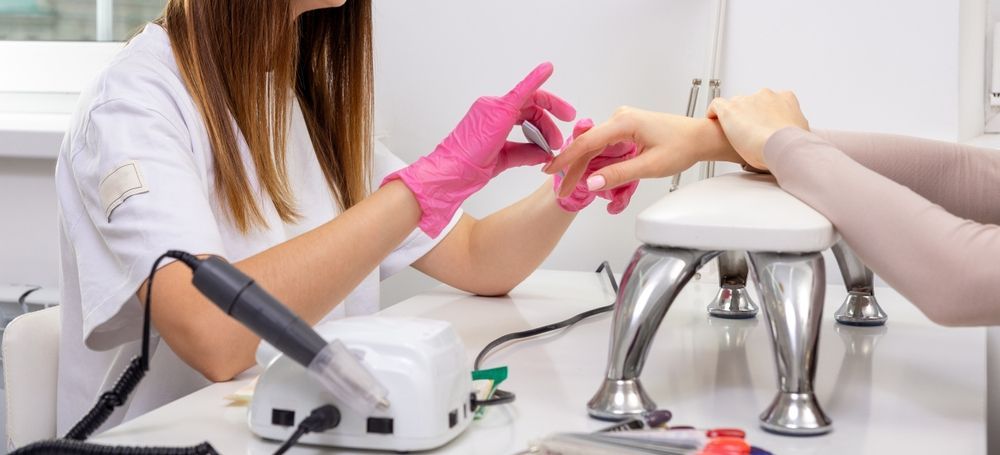
Owning a nail salon is an exciting and rewarding business venture. From providing beautiful nail designs to ensuring customer satisfaction, salon owners have a lot on their plates. However, one critical aspect that should never be overlooked is the safety and well-being of your employees. Workers' compensation insurance is not just a regulatory requirement in many states—it’s a fundamental layer of protection for both your staff and your business.
Nail salon workers are exposed to various risks, including repetitive motion injuries, chemical exposure, and even slip-and-fall accidents. Having the right workers' comp insurance can make the difference between a smooth recovery and a financial nightmare. But how do you go about selecting the best workers' comp insurance for your nail salon? In this detailed guide, we'll explore everything you need to know to make an informed decision.
Understanding Workers Comp Insurance for Nail Salons
Before diving into the selection process, it's crucial to understand what workers' compensation insurance actually is. Workers' compensation insurance provides financial benefits to employees who suffer job-related injuries or illnesses. This type of insurance typically covers medical expenses, rehabilitation costs, and a portion of lost wages during recovery. For nail salons, which often involve repetitive hand movements, exposure to chemicals, and prolonged periods of standing, the potential for injury is real and ever-present.
Workers' comp insurance is mandated by law in most states, although requirements can vary. The coverage is designed not only to protect employees but also to shield employers from lawsuits related to workplace injuries. In a nail salon setting, this means if a nail technician develops carpal tunnel syndrome from repetitive hand movements or experiences skin irritation from chemical exposure, the salon’s workers' comp policy would help cover medical costs and time off work.
Evaluating Your Salon's Specific Needs
Every nail salon is unique, with its own set of risks and workforce size. When choosing workers' comp insurance, you need to evaluate the specific needs of your business. Begin by assessing the number of employees you have, the types of services offered, and the daily operations of your salon. Are your employees primarily engaged in nail treatments, or do you also offer spa services like facials and massages? Each service comes with its own risk factors.
Additionally, consider the level of experience of your staff. Experienced nail technicians may be more adept at handling chemicals safely and avoiding repetitive motion injuries, while newer staff may require additional training and pose a higher risk. This evaluation will help you determine the level of coverage you need, which is a key step in finding the best policy.
The Importance of State Regulations
One of the first things you should understand is your state’s requirements for workers' compensation insurance. In many places, even a single employee means you are legally obligated to carry workers' comp. The specific laws vary, with some states requiring coverage as soon as you hire your first employee, while others may have thresholds based on the number of employees or annual payroll amounts.
Failure to comply with state regulations can result in significant fines and penalties, as well as potential lawsuits. Moreover, if an employee is injured and you do not have adequate coverage, your business could be held liable for medical expenses and lost wages. This financial burden can be catastrophic for a small nail salon. Therefore, understanding your state’s specific requirements is not only a legal obligation but also a critical part of risk management.
Types of Coverage to Consider
When choosing workers' comp insurance, it’s important to understand the different types of coverage available. Basic workers' compensation policies generally include coverage for medical expenses, disability benefits, rehabilitation costs, and death benefits if the injury results in a fatality. For nail salons, medical coverage is particularly important, as employees are often exposed to harsh chemicals and repetitive motion tasks that can lead to chronic injuries.
Some insurers also offer extended coverage options such as employer liability coverage, which protects the business in the event of a lawsuit claiming negligence. Additionally, there may be options for coverage of legal fees and settlement costs, which can be beneficial if disputes arise over the nature or extent of an injury.
Understanding the specifics of each type of coverage helps you make an informed decision about what is necessary for your nail salon. Skimping on important aspects of coverage can leave you vulnerable, while over-insuring can strain your budget unnecessarily.
Factors to Consider When Choosing an Insurance Provider
Selecting the right insurance provider is just as important as choosing the right type of coverage. Reputation, customer service, claim response time, and the ability to customize policies are all critical factors. Researching providers thoroughly and reading customer reviews can provide valuable insights into their reliability and quality of service.
It's also wise to consult with other salon owners or industry professionals to get recommendations. A provider with experience in insuring beauty and wellness businesses is more likely to understand the unique risks associated with nail salons. Furthermore, choosing a provider that offers risk assessment services can help you identify potential hazards in your salon and take preventive measures to minimize claims.
Cost Considerations and Budget Planning
While it's important to find comprehensive coverage, it's equally crucial to consider the cost of the policy. Workers' comp insurance premiums are typically calculated based on your payroll size, the risk level of your industry, and your claims history. Nail salons are generally considered medium-risk businesses due to the nature of the work, which involves physical labor and chemical exposure.
However, there are strategies to manage costs effectively. For example, implementing safety training programs and maintaining a clean, well-organized work environment can help reduce the number of claims. Some insurance providers also offer discounts for businesses that demonstrate a commitment to workplace safety.
Planning your budget around these costs ensures that your business remains protected without putting unnecessary strain on your finances. It also allows you to allocate resources for other crucial areas of your business, such as marketing, equipment upgrades, and staff training.
Ongoing Risk Management and Policy Review
Once you have selected the best workers' comp insurance for your nail salon, the job is not done. Ongoing risk management is vital to maintaining a safe work environment and preventing injuries. Regularly assess your salon’s operations, update safety protocols, and conduct employee training sessions to minimize risks.
Best Practices for Minimizing Risks
Implementing regular safety checks, proper chemical handling procedures, and ergonomic workstations can greatly reduce risks. Employee training on safety protocols and proper usage of tools and materials can prevent injuries and create a safer workspace.
Long-term Strategies for Maintaining Optimal Coverage
Regularly review your insurance policy, update your risk assessment, and stay informed about state regulations. As your business grows, adjust your coverage to meet your evolving needs.

Recent News

Workers Comp Insurance California: A Guide for IT and SEO Consulting Businesses

How Workers Comp Insurance Works for SEO Consultants in California

California Workers Comp Insurance for IT Consultants: What You Need to Know

Do IT & SEO Consultants Need Workers Comp Insurance in California?

Workers Comp Insurance California for IT & SEO Consultants: A Complete Guide

Understanding Workers Comp Insurance Requirements for Landscape Design in California

Workers Comp Insurance California for Landscape Design: Costs, Coverage & Benefits

How to Choose Workers Comp Insurance California for Landscape Design Companies

Why Workers Comp Insurance California Is Essential for Landscape Design Businesses

Workers Comp Insurance California for Landscape Design: A Complete Guide