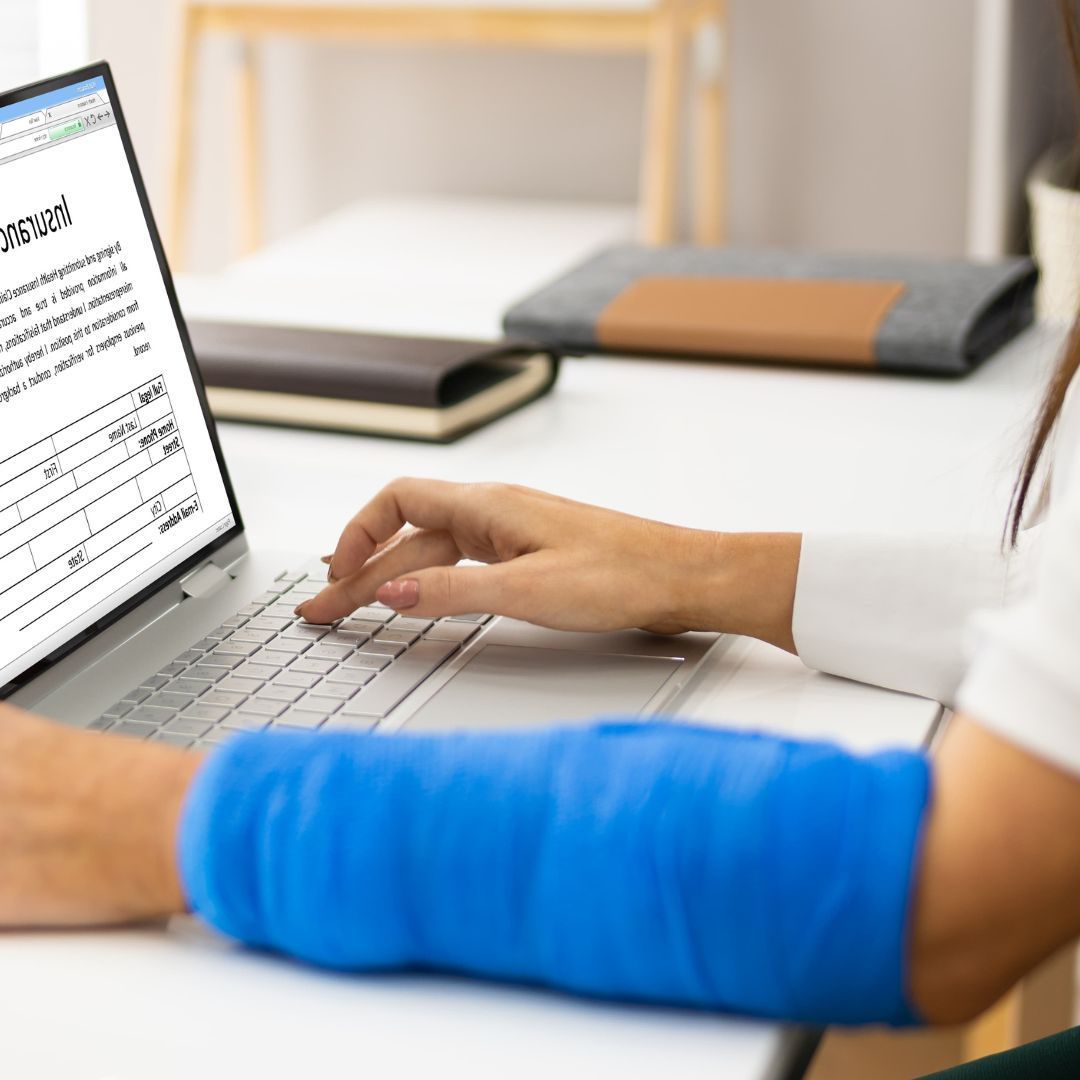
Workers Compensation Insurance for St. Albans
Index
Understanding Workers' Comp Insurance
California's Workers' Comp Insurance Laws
How to Obtain Workers' Comp Insurance in California
Costs Associated with Workers' Comp Insurance
Filing a Workers' Comp Insurance Claim in California
Contact Us
Phone
886-226-4436
Location
9340 Bolsa Ave, Westminster, CA 92683

Workers Comp By City
Workers Compensation Insurance for St. Albans: A Complete Guide for Businesses and Employees
Workers Compensation Insurance for St. Albans is an important form of business insurance that helps protect employees and employers when qualifying workplace injuries or occupational illnesses occur. St. Albans, Vermont, has a diverse business community that includes retail stores, restaurants, professional offices, healthcare organizations, construction companies, manufacturing businesses, transportation services, property maintenance companies, hospitality establishments, and other employers. Because workplace risks can vary significantly between industries, understanding workers compensation requirements and coverage is an important part of responsible business management.
Workplace accidents can happen even when employers maintain safety programs, provide employee training, inspect equipment, and establish appropriate procedures. An employee could become injured while lifting materials, operating machinery, using tools, driving for work, assisting customers, working on a construction project, handling inventory, or performing routine job responsibilities. A workplace injury can result in medical expenses, lost wages, rehabilitation needs, and significant disruption for both the employee and employer.
Workers compensation insurance provides a structured system for addressing qualifying workplace injuries and occupational illnesses while helping eligible employees receive benefits under Vermont law. For employers, maintaining appropriate coverage can also reduce the financial uncertainty associated with workplace accidents and help businesses comply with their legal responsibilities.
What Is Workers Compensation Insurance?
Workers compensation insurance is a regulated insurance system designed to provide benefits to employees who experience qualifying injuries or occupational illnesses connected to their employment. Vermont generally follows a no-fault workers compensation system, meaning an eligible employee generally does not need to prove employer negligence to receive applicable benefits.
Depending on the circumstances, workers compensation benefits may include medical treatment, wage replacement, permanent impairment benefits, vocational rehabilitation, and death benefits. Medical benefits can cover reasonable and necessary care associated with an eligible workplace injury or occupational illness. Treatment may involve doctors, hospitals, physical therapy, prescription medications, diagnostic services, and other medically appropriate care.
Employees who are unable to work because of a qualifying occupational injury or illness may also receive wage replacement benefits under applicable Vermont requirements. The amount and duration of those benefits can depend on factors such as the employee's earnings, medical condition, work capacity, and other circumstances surrounding the claim.
For employees in St. Albans, workers compensation can provide an important financial safety net following an unexpected workplace accident. For employers, coverage creates a more predictable way to manage the financial consequences of covered workplace injuries.
Workers Compensation Requirements for St. Albans Businesses
Businesses operating in St. Albans are generally subject to Vermont workers compensation requirements. Vermont generally requires employers to provide workers compensation coverage when they have one or more employees in the state, although certain statutory exceptions and special circumstances may apply. Vermont Department of Labor guidance also explains that coverage rules can differ for particular categories of workers and business owners.
Business owners should understand their workers compensation obligations before hiring employees. Waiting until an accident occurs to investigate insurance requirements can create unnecessary financial and administrative problems. Employers should maintain appropriate coverage, keep accurate payroll and employment records, provide required workplace information, and follow applicable procedures for reporting workplace injuries.
Vermont rules also address specific categories of workers and business structures. Sole proprietors, partners, corporate officers, family members, agricultural workers, volunteers, casual workers, and other categories may be treated differently depending on the circumstances. Because eligibility and exclusions can depend on the facts of a particular business, employers should not assume that a worker is automatically exempt from workers compensation requirements.
Why Employee Classification Matters
Employee classification is an important consideration for St. Albans businesses that work with independent contractors, temporary workers, seasonal employees, delivery personnel, construction workers, and other nontraditional labor arrangements. Simply calling an individual an independent contractor does not necessarily determine their legal classification.
The actual relationship between the worker and the business can be relevant when determining whether workers compensation obligations apply. Businesses should carefully evaluate these relationships and maintain appropriate documentation regarding the responsibilities of each party.
Companies that hire contractors should also consider verifying workers compensation coverage when appropriate. Vermont guidance recommends establishing in advance who is responsible for carrying workers compensation insurance and verifying coverage through appropriate documentation when a contractor has employees.
Incorrect classification can expose a business to unexpected financial and regulatory consequences. If a business incorrectly treats an employee as an independent contractor, it may discover additional workers compensation obligations after an accident occurs. Reviewing worker classifications before work begins can therefore be an important part of risk management.
Workers Compensation for Different St. Albans Industries
Workplace exposures can vary considerably among St. Albans businesses. Construction companies may face risks involving falls, ladders, power tools, heavy materials, vehicles, machinery, and changing job-site conditions. Property maintenance and landscaping companies may encounter hazards related to outdoor work, equipment operation, lifting, weather, and physically demanding activities.
Restaurants and hospitality businesses may experience workplace incidents involving slips and falls, burns, cuts, lifting, repetitive movements, hot equipment, and customer-related activities. Healthcare organizations may face risks associated with patient handling, lifting, exposure to hazardous substances, and other demanding workplace conditions.
Manufacturing and industrial businesses may have exposures involving machinery, material handling, repetitive tasks, equipment maintenance, and workplace transportation. Retail businesses can face risks involving inventory movement, deliveries, customer interactions, slips and falls, and lifting.
Office-based businesses typically have different exposures, including slips and falls, ergonomic concerns, repetitive movements, and other workplace incidents. Transportation businesses may face additional risks involving vehicle operation, loading and unloading, road conditions, and material handling.
Because each workplace has its own exposures, businesses should evaluate their actual operations when purchasing workers compensation insurance. Appropriate coverage should reflect the type of work performed, the employees involved, payroll information, and other factors used by insurers when evaluating workers compensation risk.
How Workers Compensation Claims Work
When an employee experiences a workplace injury, prompt reporting is an important part of the claims process. Employees should generally notify their employer about an injury as soon as reasonably possible and follow workplace procedures for obtaining medical attention.
Employers should respond appropriately when an injury is reported and follow Vermont requirements for reporting workplace accidents and workers compensation claims. Accurate records can help organize the claims process. These records may include information about when and where the incident occurred, the nature of the injury, medical documentation, employee wages, witness information, and communications related to the claim.
An insurance carrier may review the circumstances of the accident, medical information, employment details, and other relevant documentation when evaluating a claim. If the claim qualifies under Vermont workers compensation requirements, the employee may receive applicable benefits.
Every workers compensation claim is different. The process can depend on the type and severity of the injury, the employee's medical condition, the ability to return to work, employment circumstances, and applicable Vermont requirements. Employees and employers should understand their responsibilities throughout the claims process.
Workers Compensation Insurance for St. Albans
Workers Compensation Insurance for St. Albans is an important consideration for local employers seeking to protect their employees and businesses from the financial consequences associated with qualifying workplace injuries and occupational illnesses. Businesses in St. Albans, Vermont, operate across a range of sectors, including manufacturing, healthcare, retail, professional services, hospitality, construction, contracting, transportation, education, and other industries. The city's economic landscape includes significant employers and property taxpayers connected with manufacturing, utilities, commercial properties, retail, and other business activities.
Because workplace exposures can differ substantially between industries, employers should understand Vermont workers compensation requirements and maintain coverage that accurately reflects their employees, payroll, classifications, job duties, and business activities. Workers compensation is not simply an insurance expense. It is an important part of responsible employment practices and business risk management.
What Workers Compensation Insurance Means for St. Albans Employers
Workers compensation insurance is part of a state-regulated system designed to provide benefits to employees who experience qualifying work-related injuries or occupational illnesses. Vermont generally requires employers to provide workers compensation coverage. The Vermont Department of Labor states that employers generally must obtain coverage when they hire one or more employees on a full- or part-time basis in Vermont, unless an applicable exception or approved self-insurance arrangement applies.
Workers compensation generally operates as a no-fault system. An employee with a qualifying workplace injury does not ordinarily have to prove that the employer was negligent before pursuing applicable workers compensation benefits. Instead, the claim is evaluated under Vermont workers compensation law, applicable rules, and the terms and conditions of the insurance policy.
For employers, this system can help create a structured approach to workplace injuries while limiting the uncertainty associated with handling qualifying occupational incidents. For employees, it can provide access to benefits that may assist with medical care and wage-related losses when an injury or illness meets applicable requirements.
Why Workers Compensation Insurance Matters in St. Albans
Workplace risks in St. Albans can vary considerably depending on the type of business. Office environments may involve slips and falls, repetitive-motion injuries, ergonomic problems, or accidents involving office equipment. Retail employees may regularly lift merchandise, unload deliveries, stock shelves, stand for long periods, and interact with customers.
Restaurants and hospitality businesses can face risks involving wet floors, hot surfaces, sharp equipment, cleaning products, lifting, and repetitive tasks. Healthcare and caregiving organizations may involve physically demanding responsibilities, including assisting patients, moving equipment, and performing repetitive activities.
Manufacturing businesses can encounter additional exposures involving machinery, tools, production equipment, materials handling, and industrial processes. St. Albans has a notable manufacturing presence, with Mylan Technologies Inc. listed among the city's principal property taxpayers in its annual report.
Construction and contracting businesses can face risks associated with ladders, power tools, heavy materials, elevated work areas, changing job sites, and specialized equipment. These differences make accurate insurance classification especially important.
Workers Compensation Insurance for Construction Businesses in St. Albans
Construction and contracting companies often operate in environments where employees face physical hazards and changing working conditions. Workers may handle heavy materials, operate power tools, work from ladders or elevated surfaces, and perform tasks around vehicles or machinery.
Falls, strains, cuts, struck-by incidents, equipment-related accidents, and other workplace events can result in medical treatment, temporary disability, or extended time away from work. Workers Compensation Insurance for St. Albans can provide an important layer of financial protection when eligible employees experience qualifying work-related injuries or occupational illnesses.
Depending on the circumstances of a claim and Vermont requirements, workers compensation benefits can include medical benefits and other forms of compensation available under state law. Certain claims may also involve temporary or permanent disability benefits, vocational rehabilitation, or death benefits. The type and amount of benefits depend on the individual circumstances of the claim and applicable Vermont rules.
Construction employers can strengthen their overall risk management approach by combining insurance protection with safety procedures. Employee training, equipment inspections, hazard identification, appropriate protective equipment, and prompt injury reporting can all contribute to a safer workplace.
Workers Compensation Insurance for Small Businesses in St. Albans
Small businesses may have fewer employees than larger companies, but even one workplace injury can create operational and financial challenges. When an employee cannot work because of a qualifying injury, a small business may face scheduling difficulties, reduced productivity, overtime expenses, temporary staffing needs, and administrative responsibilities.
St. Albans business owners should review their workers compensation needs whenever their operations change. Hiring additional employees, expanding payroll, introducing new equipment, adding services, opening another location, or changing employee responsibilities can affect the business's insurance needs.
Employers should also recognize that different employees may have substantially different workplace exposures. An administrative employee may have a different classification from a technician, driver, construction worker, healthcare employee, or manufacturing worker. Accurate information about job duties and payroll helps insurers evaluate the business appropriately.
How Workers Compensation Insurance Costs Are Determined
The cost of workers compensation insurance depends on several factors rather than simply the number of employees a company has. Payroll, employee classifications, business operations, claims history, and workplace safety performance can influence premiums.
The Vermont Department of Labor notes that employers with stronger safety records generally pay less for workers compensation insurance within their industry. This reflects the connection between workplace risk, claims experience, and insurance costs.
For St. Albans employers, maintaining accurate payroll records and properly describing employee duties can help support appropriate classification and premium calculations. Businesses should communicate operational changes to their insurance professional rather than assuming an existing policy automatically reflects new activities.
Managing Workers Compensation Claims in St. Albans
When a workplace injury occurs, employers should follow their established injury-reporting and claims procedures and communicate promptly with their insurance carrier. Employees should report qualifying workplace injuries as required by applicable procedures, while employers should document the incident and provide relevant information to the insurer.
Clear communication can help reduce confusion during the claims process. Businesses should maintain records concerning the employee's duties, circumstances surrounding the incident, witnesses, payroll information, and other relevant documentation. Employers should also understand that claims decisions depend on the specific facts of each incident and Vermont workers compensation requirements.
Vermont also requires employers to post a notice of compliance in a conspicuous location advising employees that workers compensation protection has been secured.
Workers Compensation Insurance for St. Albans: A Complete Guide for Businesses and Employees
Workers compensation insurance for St. Albans is an important form of business insurance that helps protect employees and employers when qualifying workplace injuries or occupational illnesses occur. St. Albans, Vermont, has a diverse business community that includes contractors, construction companies, restaurants, retail businesses, healthcare providers, manufacturers, transportation companies, professional service firms, and other employers. Each type of business faces different workplace exposures, making appropriate workers compensation protection an important consideration for business owners.
In Vermont, workers compensation requirements generally apply to employers that fall under the state's applicable laws and requirements. The system is intended to provide eligible employees with benefits for qualifying work-related injuries and occupational illnesses while giving employers an established process for handling covered workplace claims.
Workers compensation generally operates as a no-fault system. This means an eligible employee ordinarily does not have to prove that an employer was negligent to seek benefits for a qualifying workplace injury. For employers, maintaining appropriate coverage can help meet applicable legal obligations while providing a structured way to respond when workplace accidents or occupational illnesses occur.
Why Workers Compensation Insurance Matters in St. Albans
Businesses in St. Albans can encounter a wide range of workplace hazards depending on their industry and daily operations. Construction companies and contractors may deal with ladders, power tools, heavy machinery, electrical equipment, elevated work areas, and changing job-site conditions. These exposures can result in falls, strains, cuts, fractures, sprains, and other workplace injuries.
Restaurants and hospitality businesses also face several common workplace risks. Employees may experience burns, cuts, slips, falls, lifting injuries, or repetitive-motion conditions. Commercial kitchens often involve hot surfaces, sharp utensils, wet floors, heavy supplies, and fast-paced working environments. Employees working in dining areas may also be injured while carrying supplies, moving furniture, cleaning, or completing other physical tasks.
Retail businesses can face workplace exposures involving inventory handling, stocking shelves, receiving deliveries, using ladders, moving merchandise, and operating equipment. Warehouses and transportation businesses may encounter additional risks associated with forklifts, loading and unloading, heavy packages, delivery activities, and physically demanding work.
Healthcare organizations have their own workplace exposures, including patient handling, lifting, slips and falls, repetitive physical activities, and occupational hazards associated with healthcare environments. Even professional offices can experience workplace injuries through slips, falls, ergonomic problems, repetitive-motion conditions, or other incidents that occur during normal work activities.
Workers compensation insurance provides an important financial and administrative framework for addressing qualifying workplace injuries while helping eligible employees receive benefits available under Vermont law.
Vermont Workers Compensation Requirements for St. Albans Businesses
Because St. Albans is located in Vermont, businesses operating in the community generally follow Vermont's statewide workers compensation requirements rather than a separate city-level workers compensation system. Employers should understand the state's applicable requirements and determine whether their specific business is required to maintain workers compensation coverage.
Coverage obligations can depend on circumstances such as the number of employees, business structure, employee classifications, hiring arrangements, and the nature of the work being performed. Business owners should carefully evaluate their circumstances rather than assuming that having only a small number of employees automatically means workers compensation insurance is unnecessary.
Employers should also reassess their insurance needs when their operations change. Hiring additional employees, expanding a business, purchasing new equipment, accepting larger contracts, adding physical work, or entering a different line of business can change workplace exposures and may affect insurance requirements.
It is also important for St. Albans employers to understand the difference between workers compensation insurance and general liability insurance. General liability coverage generally addresses certain third-party claims involving bodily injury or property damage. Workers compensation insurance is specifically intended to address qualifying employee workplace injuries and occupational illnesses.
What Workers Compensation Insurance Can Cover
Workers compensation benefits can help eligible employees with medical expenses and certain financial losses associated with qualifying work-related injuries or occupational illnesses. Depending on the circumstances and applicable Vermont requirements, benefits may include medical treatment, wage replacement, disability-related benefits, rehabilitation services, and other forms of compensation.
Medical benefits can be especially valuable when a workplace accident requires emergency treatment, physician appointments, diagnostic services, physical therapy, medication, rehabilitation, or other care. Wage-related benefits may provide financial support when an employee cannot work because of a qualifying workplace injury.
The exact benefits available can depend on the employee's eligibility, the circumstances surrounding the injury or illness, the severity of the condition, and applicable state requirements. Employers and employees should therefore avoid assuming that every workplace incident automatically qualifies for the same benefits.
Common Workplace Injuries in St. Albans
Workplace injuries can happen in almost every industry in St. Albans. Physical labor can result in strains, sprains, muscle injuries, fractures, and other conditions. Slips and falls can occur in offices, stores, restaurants, warehouses, construction sites, healthcare facilities, and other workplaces.
Repetitive-motion injuries may develop gradually rather than occurring because of one identifiable accident. Employees who regularly type, lift, assemble products, operate machinery, package goods, or perform other repetitive activities may develop occupational conditions that require medical evaluation and treatment.
Workplace illnesses can also create workers compensation concerns. Certain occupations may expose employees to environmental conditions, substances, equipment, or other hazards associated with their work. Promptly reporting a suspected work-related condition gives the employer and insurance carrier an opportunity to evaluate the circumstances and determine how the claim should be handled.
Workers Compensation for Small Businesses in St. Albans
Small businesses are an important part of the St. Albans economy, and workers compensation insurance can be particularly important for smaller employers. A single serious workplace injury can create significant medical, administrative, and financial consequences if appropriate coverage is not in place.
Small business owners should review their employee classifications and workplace activities carefully when obtaining coverage. An office employee may have very different risks from a construction worker, delivery driver, restaurant employee, or manufacturing worker. Accurate information about the business helps insurers evaluate the appropriate level of coverage and premium.
Business owners should also keep their insurer informed when significant changes occur. Changes in payroll, employee duties, locations, equipment, or business operations can affect the company's insurance profile.
How Employers Can Reduce Workplace Risks
Workers compensation insurance is an important protection, but employers should also focus on preventing workplace injuries. Effective safety practices can help reduce accidents and create a safer environment for employees.
Employers can improve workplace safety by providing appropriate employee training, maintaining equipment, keeping work areas clean, addressing known hazards, following applicable safety requirements, and encouraging employees to report unsafe conditions. Businesses should also review workplace procedures when an accident occurs to determine whether additional precautions could help prevent similar incidents.
A strong workplace safety culture can benefit both employers and employees. Fewer injuries can reduce disruptions, support employee well-being, and potentially contribute to better long-term insurance outcomes.
What is workers compensation insurance in St. Albans?
Workers’ compensation insurance is coverage that helps protect employees and employers when a worker is injured or becomes ill because of their job. It can help cover eligible medical expenses, rehabilitation costs, and lost wages, depending on the applicable law and policy.
Who needs workers’ compensation insurance in St. Albans?
Businesses that employ workers may be required to carry workers’ compensation coverage. The exact requirements depend on the type of business, number of employees, and applicable local or state regulations.
How do I file a workers’ compensation claim in St. Albans?
If you are injured at work, report the injury to your employer as soon as possible and seek appropriate medical attention. Your employer or insurer can explain the required claim process and documentation.
How much does workers’ compensation insurance cost in St. Albans?
The cost varies based on factors such as the type of work, payroll, number of employees, claims history, and coverage requirements. An insurance professional can provide a more accurate estimate for your business.
REQUEST A QUOTE
Speak with a CA Workers Compensation Insurance specialist today!
Learn More About Workers Comp. Insurance