Workers Compensation Insurance for Newark
Index
Understanding Workers' Comp Insurance
California's Workers' Comp Insurance Laws
How to Obtain Workers' Comp Insurance in California
Costs Associated with Workers' Comp Insurance
Filing a Workers' Comp Insurance Claim in California
Contact Us
Phone
886-226-4436
Location
9340 Bolsa Ave, Westminster, CA 92683

Workers Comp By City
Workers Compensation Insurance for Newark: A Complete Guide for Businesses and Employees
Workers Compensation Insurance for Newark is one of the most essential protections for both employers and employees operating in one of New Jersey’s most active economic centers. In a city defined by its industrial strength, transportation networks, healthcare institutions, and growing service economy, workplace risks are an unavoidable reality across nearly every sector.
Whether an employee is working in a warehouse near the port, providing care in a hospital, operating machinery in a manufacturing facility, or handling customers in a retail environment, the possibility of injury or occupational illness exists. Workers Compensation Insurance ensures that when these incidents occur, employees receive necessary medical care and wage replacement benefits while employers are protected from potentially devastating legal and financial consequences.
This system is not just an administrative requirement; it is a foundational part of workplace stability in Newark. It supports injured workers during recovery, reduces conflict between employers and employees, and helps maintain continuity in business operations across the city’s diverse industries.
Newark’s Economic Landscape and Workplace Risk Exposure
Newark stands as one of the most important economic hubs in New Jersey and the broader northeastern United States. Its economy is deeply interconnected with transportation, logistics, manufacturing, healthcare, education, and financial services, all of which contribute significantly to employment and regional development.
A major driver of Newark’s economic activity is its role as a transportation and logistics center. The nearby Port Newark–Elizabeth Marine Terminal plays a critical role in international trade, handling large volumes of cargo daily. Workers in this sector are frequently exposed to hazards involving heavy machinery, container handling, forklift operations, and longshore activities. These environments increase the likelihood of accidents such as falls, crush injuries, and repetitive strain conditions.
Manufacturing also remains an important sector in Newark’s economy. Employees working in production lines, fabrication facilities, and industrial plants often face risks associated with moving machinery, sharp tools, high-temperature equipment, and repetitive motion tasks. Even with modern safety protocols, manufacturing environments remain inherently high-risk due to the physical nature of the work.
Healthcare is another major employer in the city. Hospitals, clinics, rehabilitation centers, and long-term care facilities rely on a large workforce of medical professionals, technicians, and support staff. Workers in healthcare settings frequently encounter hazards such as patient lifting injuries, exposure to infectious diseases, slips and falls, and fatigue-related incidents caused by long shifts.
In addition, Newark’s retail, hospitality, and service industries employ thousands of workers across restaurants, hotels, shopping centers, and entertainment venues. These environments may appear less hazardous compared to industrial sectors, but employees still face risks such as burns, cuts, lifting injuries, repetitive strain, and slip-and-fall accidents.
Because of this wide range of occupational risks, Workers Compensation Insurance plays a vital role in ensuring that employees across all industries are protected and supported when workplace incidents occur.
What Workers Compensation Insurance Means in New Jersey
Workers Compensation Insurance is a state-mandated insurance system designed to provide financial and medical support to employees who suffer injuries or illnesses directly related to their job duties. In New Jersey, this system operates under the framework established by the New Jersey Workers' Compensation Act, which defines the rights and responsibilities of both employers and employees.
The core principle of Workers Compensation Insurance is the “no-fault” system. This means that employees are eligible for benefits regardless of who caused the workplace injury, as long as the injury occurred during the course of employment. Whether the incident resulted from equipment malfunction, unsafe conditions, or human error, the focus is placed on recovery rather than assigning blame.
In exchange for guaranteed benefits, employees typically forfeit the right to sue their employer for most workplace injury-related claims. This trade-off creates a structured and efficient system that minimizes legal disputes while ensuring timely access to medical care and financial assistance.
Workers Compensation Insurance generally covers medical treatment, partial wage replacement, rehabilitation services, and compensation for permanent disabilities when applicable. This ensures that injured workers are not left without support during their recovery period and can return to work when medically appropriate.
Legal Requirements for Workers Compensation Coverage in Newark
In Newark, most employers are legally required to carry Workers Compensation Insurance, regardless of business size or industry type. New Jersey law mandates that nearly all employers provide coverage for their employees, including full-time, part-time, seasonal, and temporary workers.
This broad requirement reflects the state’s commitment to protecting workers across all employment arrangements. It ensures that even short-term or flexible employees are not excluded from essential workplace protections.
Employers typically obtain coverage through licensed insurance carriers authorized to operate in New Jersey. Some larger organizations may qualify for self-insurance programs, but these arrangements require strict approval and ongoing financial oversight by state regulators.
Failure to maintain proper Workers Compensation Insurance coverage can result in serious consequences. Employers may face financial penalties, legal action, and liability for all medical and wage-related costs arising from workplace injuries. In addition, noncompliance can lead to reputational harm and operational disruptions that may negatively affect long-term business success.
For businesses operating in Newark’s competitive environment, maintaining proper coverage is not only a legal obligation but also a critical component of responsible risk management.
How Workers Compensation Claims Work in Newark
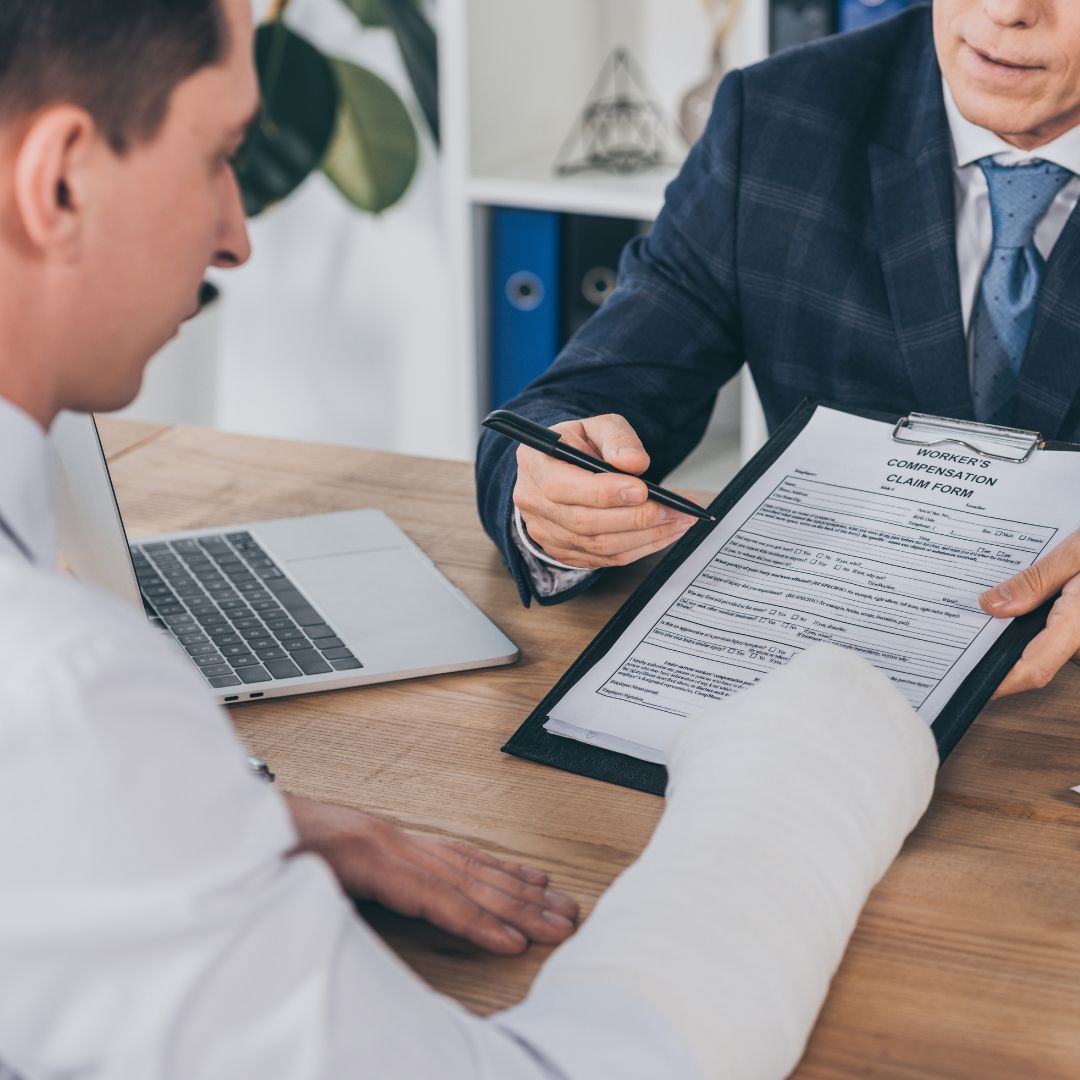
The Workers Compensation process typically begins when an employee experiences a workplace injury or develops a job-related illness. Immediate reporting of the incident is essential, as delays can complicate claim processing and affect eligibility.
Once the injury is reported, the employer is responsible for documenting the incident and notifying their insurance provider. This documentation may include details of how the injury occurred, witness accounts, and initial medical evaluations. Accurate reporting at this stage plays a key role in ensuring a smooth claims process.
After the claim is submitted, the insurance provider reviews the case to determine whether it meets the requirements for Workers Compensation benefits. This evaluation may involve examining medical records, employment history, and workplace conditions.
If the claim is approved, the injured worker begins receiving benefits. These may include coverage for medical expenses such as doctor visits, hospital treatment, surgeries, and medication. In addition, employees may receive wage replacement benefits that partially compensate for lost income during their recovery period.
Rehabilitation services may also be provided to help employees regain physical abilities and return to work safely. Throughout the process, coordination between employers, employees, healthcare providers, and insurance representatives ensures that the claim is managed efficiently and fairly.
Types of Workplace Injuries Common in Newark
Workplace injuries in Newark vary widely depending on industry type, but certain patterns are commonly observed across sectors. In industrial and logistics environments, injuries often involve heavy machinery, lifting accidents, and transportation-related incidents. Workers may suffer fractures, sprains, or crush injuries due to equipment use or material handling.
In healthcare settings, injuries frequently stem from patient handling, prolonged standing, exposure to infectious diseases, and repetitive stress conditions. These injuries may not always be immediately visible but can have long-term effects on physical health.
In office-based and administrative environments, workers may experience repetitive strain injuries, such as carpal tunnel syndrome, as well as slip-and-fall accidents within workplace facilities.
Retail and hospitality workers often face risks related to slips, trips, burns from kitchen equipment, and injuries caused by lifting or stocking merchandise.
Understanding these risks highlights the importance of Workers Compensation Insurance as a universal safeguard across all industries in Newark.
Workers Compensation Insurance for Newark
Workers Compensation Insurance for Newark plays a vital role in protecting both employees and employers across one of New Jersey’s most dynamic and economically significant cities. Newark is known for its strong industrial base, growing service economy, transportation hubs, healthcare institutions, and expanding commercial sectors. With thousands of workers engaged in diverse industries every day, the importance of workplace safety and financial protection cannot be overstated.
Even in well-managed organizations with strict safety standards, workplace accidents and occupational illnesses can occur unexpectedly. Employees may face injuries due to slips and falls, machinery-related incidents, repetitive motion strain, vehicle accidents, or exposure to hazardous environments. When such incidents happen, workers compensation insurance ensures that employees receive timely medical care and wage replacement while protecting employers from severe financial burdens.
For businesses in Newark, workers compensation insurance is not only a legal necessity but also a cornerstone of responsible workforce management. It reflects an employer’s commitment to employee well-being, regulatory compliance, and long-term operational stability.
Understanding Workers Compensation Insurance in Newark
Workers compensation insurance is a state-regulated system designed to provide financial and medical benefits to employees who suffer job-related injuries or illnesses. In Newark, this coverage applies to most businesses regardless of size or industry, ensuring that employees are protected while performing their duties.
The system operates on a no-fault basis, meaning employees are generally entitled to benefits regardless of who caused the workplace accident. This structure simplifies the claims process and reduces legal disputes between employers and employees. In exchange for guaranteed benefits, employees typically waive the right to sue their employer for negligence in most situations related to workplace injuries.
This balanced arrangement ensures that injured workers receive medical treatment, rehabilitation services, and wage replacement without delay. At the same time, employers gain protection from potentially costly lawsuits and unpredictable financial liabilities.
Workers compensation insurance generally covers medical expenses, temporary disability benefits, permanent disability compensation, rehabilitation support, and in some cases death benefits for families of deceased workers.
Legal Requirements in New Jersey for Workers Compensation
In Newark, businesses must comply with New Jersey workers compensation laws, which require most employers to carry valid workers compensation insurance for their employees. These regulations are strictly enforced to ensure that workers have access to financial protection in case of work-related injuries or occupational diseases.
Failure to maintain proper coverage can result in serious consequences for employers. Businesses may face fines, penalties, lawsuits, and even criminal liability in extreme cases. Additionally, employers without insurance may be personally responsible for covering employee medical bills, lost wages, and rehabilitation costs, which can quickly become financially overwhelming.
New Jersey law also requires employers to report workplace injuries promptly and maintain accurate records of incidents. Timely reporting is essential for ensuring that employees receive benefits quickly and that claims are processed efficiently.
Compliance is not only a legal obligation but also an important aspect of ethical business operations. Employers who adhere to these regulations demonstrate accountability and a strong commitment to worker safety and welfare.
Why Workers Compensation Insurance Matters for Newark Businesses
Workers Compensation Insurance for Newark businesses is essential because workplace risks exist in nearly every industry. While some occupations involve higher physical hazards than others, no workplace is entirely risk-free.
Office environments may expose employees to ergonomic injuries, slips, trips, and repetitive strain conditions. Warehouses and logistics operations often involve lifting injuries, forklift accidents, and equipment-related incidents. Manufacturing environments introduce risks from machinery, chemicals, and production processes. Healthcare settings involve patient handling injuries and exposure to infectious diseases.
A single workplace injury can result in significant financial consequences for a business. Costs may include emergency treatment, hospitalization, ongoing medical care, rehabilitation services, and lost productivity. Without insurance coverage, these expenses can severely impact a company’s financial stability.
Workers compensation insurance helps businesses manage these risks effectively by transferring financial responsibility to the insurer. This allows employers to focus on operations and growth while ensuring employees are protected in case of injury.
Economic Landscape of Newark
Newark has one of the most diverse and active economies in New Jersey, supported by industries such as transportation, logistics, healthcare, manufacturing, education, retail, and professional services. Its strategic location near major highways, airports, and ports makes it a key commercial hub in the region.
The city’s workforce is large and varied, with employees contributing to both traditional industries and emerging sectors. As businesses expand and new enterprises enter the market, employment levels continue to rise, increasing the importance of workplace safety measures and insurance coverage.
With such a broad economic base, workers compensation insurance becomes an essential safeguard that supports business continuity and workforce stability. It ensures that employees across all industries are protected while enabling businesses to operate with confidence in a competitive environment.
Manufacturing Industry and Workplace Risk Exposure
Manufacturing remains an important part of Newark’s industrial foundation. Manufacturing facilities employ workers in production lines, assembly operations, equipment maintenance, packaging, and quality control roles.
These environments often involve heavy machinery, moving equipment, and repetitive physical tasks. Employees may face risks such as cuts, burns, crush injuries, repetitive strain disorders, and exposure to industrial substances.
Workers compensation insurance provides essential protection for manufacturing employees by covering medical treatment, rehabilitation, and wage replacement during recovery periods. It also helps employers manage financial risks associated with workplace injuries.
For manufacturing companies, maintaining proper coverage supports operational stability and reinforces a strong safety culture that benefits both workers and management.
Healthcare Sector and Employee Protection
Healthcare is one of the largest and most critical employment sectors in Newark. Hospitals, clinics, nursing homes, and specialized care centers employ thousands of healthcare professionals who provide essential services to the community.
Healthcare workers face unique occupational hazards, including lifting-related injuries, exposure to infectious diseases, needlestick injuries, workplace stress, and patient-related incidents. These risks make workers compensation insurance especially important in medical environments.
When injuries occur, workers compensation coverage ensures that healthcare employees receive immediate medical care and financial support. This helps them recover without facing financial hardship.
For healthcare organizations, workers compensation insurance supports staff retention, operational efficiency, and uninterrupted patient care. A well-protected workforce contributes directly to higher quality healthcare services across the city.
Workers Compensation Insurance for Newark: A Complete Guide for Businesses and Employees
Workers Compensation Insurance for Newark is a vital protection system that supports both employers and employees in one of New Jersey’s most active and economically significant urban centers. Newark is known for its strong transportation networks, growing business districts, healthcare institutions, manufacturing heritage, logistics operations, educational facilities, and expanding service industries. As the city continues to evolve into a modern commercial hub, workplace safety and employee protection remain central to sustainable economic growth.
Despite advances in safety regulations, training programs, and workplace technology, occupational accidents and work-related illnesses still occur. Employees may experience injuries while performing physically demanding tasks, operating machinery, handling materials, providing healthcare services, or even working in office environments where repetitive strain injuries can develop over time. Workers compensation insurance ensures that when such incidents occur, employees receive medical and financial support while employers are shielded from excessive financial risk.
Workers compensation insurance plays an essential role in maintaining workplace stability by ensuring that injured employees receive benefits without lengthy disputes over fault. It also helps businesses remain compliant with state laws while fostering a safer, more productive workforce.
Understanding Workers Compensation Insurance in Newark
Workers compensation insurance is a legally mandated insurance program designed to provide benefits to employees who suffer job-related injuries or occupational illnesses. The system exists to ensure that workers receive timely medical care and income support while recovering from work-related incidents.
When an employee is injured in the course of employment, workers compensation insurance may cover medical treatment, rehabilitation services, partial wage replacement, disability compensation, and other approved expenses. This allows injured employees to focus on recovery rather than worrying about financial instability.
A defining feature of the workers compensation system is its no-fault structure. Employees do not need to prove that an employer acted negligently. Instead, they must only demonstrate that the injury or illness occurred during the course of employment. This simplifies the claims process and ensures faster access to benefits.
For employers in Newark, workers compensation insurance serves as financial protection against potentially high costs associated with workplace injuries. Without coverage, businesses may be responsible for medical expenses, lost wages, legal costs, and regulatory penalties, all of which can significantly impact financial stability.
The Importance of Workers Compensation Insurance in Newark
Newark’s economy is highly diverse, with industries ranging from logistics and transportation to healthcare, manufacturing, retail, and professional services. Each sector carries its own set of workplace risks, making workers compensation insurance essential for nearly every business operating in the city.
Employees benefit from knowing that they are protected if an injury occurs during work-related activities. This sense of security contributes to higher morale, improved job satisfaction, and increased retention rates. Workers are more likely to remain committed to employers who prioritize their well-being.
Employers benefit by transferring the financial burden of workplace injuries to insurance providers. Instead of facing unpredictable costs from individual injury cases, businesses pay structured premiums that provide coverage for approved claims.
Workers compensation insurance also plays a critical role in maintaining positive employer-employee relationships. When injuries are handled efficiently and fairly, employees feel valued and supported, even during difficult circumstances.
As Newark continues to attract investment and expand its commercial infrastructure, maintaining a protected and stable workforce remains essential for long-term economic development.
Economic Landscape and Workforce in Newark
Newark has established itself as one of the most important economic centers in New Jersey. Its strategic location near major highways, ports, and airports makes it a key hub for transportation, logistics, and commerce.
The healthcare sector is one of the largest employers in the city. Hospitals, clinics, rehabilitation centers, and long-term care facilities employ thousands of workers who perform physically and emotionally demanding tasks. Healthcare employees face risks such as patient handling injuries, exposure to infectious diseases, repetitive motion injuries, and slips and falls.
Manufacturing also remains an important part of Newark’s economic base. Workers in this sector operate machinery, handle production equipment, and perform assembly line tasks. These environments can present risks such as cuts, burns, equipment-related accidents, and repetitive stress injuries.
Logistics and transportation industries are especially prominent due to Newark’s proximity to major ports and airports. Employees involved in shipping, freight handling, and delivery services may experience lifting injuries, vehicle-related accidents, and overexertion-related conditions.
Retail and hospitality businesses employ large numbers of workers who interact directly with customers, manage inventory, and operate within fast-paced environments. These workers may face slip-and-fall hazards, lifting injuries, and repetitive strain conditions.
Construction activity continues to grow in Newark as infrastructure development and urban revitalization projects expand. Construction workers face some of the highest occupational risks, including falls from heights, machinery accidents, electrical hazards, and heavy material handling injuries.
Office-based industries, including finance, education, and administrative services, also contribute significantly to employment. While these environments may appear lower risk, employees may still suffer from ergonomic injuries, repetitive strain disorders, stress-related conditions, and accidental falls.
Workers Compensation Laws and Requirements in New Jersey
Workers Compensation Insurance for Newark is governed by state regulations established in New Jersey. Under New Jersey law, most employers are required to carry workers compensation insurance for their employees, regardless of business size or industry type.
The state’s workers compensation system is designed to ensure that employees receive prompt and fair benefits following work-related injuries or illnesses. Employers can obtain coverage through private insurance carriers authorized by the state or through approved self-insurance programs if they meet specific financial requirements.
New Jersey operates under a no-fault system, which means employees are generally not required to prove employer negligence to receive benefits. Instead, they must show that the injury or illness occurred during the course of employment.
Employers who fail to maintain proper coverage may face significant legal consequences, including fines, penalties, and potential civil liability for employee injuries. In severe cases, business operations may be suspended until compliance is achieved.
This regulatory framework ensures that employees are protected while employers are held accountable for maintaining proper insurance coverage.
Common Workplace Injuries in Newark
Workplace injuries can occur in any industry and often result from a combination of environmental hazards, human error, and repetitive occupational tasks. In Newark, the diversity of industries means that injury types vary widely.
Slip-and-fall accidents are among the most frequent workplace incidents. These can occur due to wet floors, uneven surfaces, poor lighting, or obstructed walkways. Injuries may range from minor sprains to serious fractures and head trauma.
Repetitive stress injuries are common among workers who perform continuous tasks over long periods. Conditions such as carpal tunnel syndrome, tendonitis, and chronic joint pain can develop gradually, impacting long-term productivity and quality of life.
Lifting and overexertion injuries frequently affect workers in healthcare, retail, warehousing, and logistics. Improper lifting techniques or repetitive heavy lifting can result in back injuries, muscle strains, and spinal conditions.
Manufacturing environments present risks associated with machinery and equipment. Workers may suffer injuries involving cuts, burns, crushed limbs, or accidental contact with moving machinery.
Construction sites present some of the most serious workplace hazards. Falls from scaffolding, electrical shocks, falling objects, and equipment malfunctions can lead to severe injuries requiring extensive medical care and rehabilitation.
Vehicle-related accidents are also a major source of workers compensation claims, particularly for employees involved in transportation, delivery services, and field operations.
Occupational illnesses develop over time due to exposure to harmful substances or environments. These may include respiratory conditions, skin disorders, and illnesses caused by exposure to chemicals, dust, or infectious agents.
Where can businesses get workers’ compensation insurance in Newark?
Businesses in Newark can obtain workers’ compensation insurance through private insurance companies that are licensed in New Jersey, or in some cases through state-administered programs or assigned risk pools if they are unable to secure coverage in the private market. Many employers choose to work with insurance brokers who compare multiple providers and help them find the most suitable policy based on industry type, business size, and budget. It is important for business owners to ensure that the insurer is authorized to operate in New Jersey and that the policy meets all state legal requirements. Some businesses also bundle workers’ compensation with other commercial insurance policies for convenience and cost savings.
What happens if a business in Newark does not have workers’ compensation insurance?
If a business in Newark fails to carry required workers’ compensation insurance, it can face serious legal and financial consequences. Penalties may include heavy fines, stop-work orders, and potential civil or criminal liability. In the event of a workplace injury, the employer may be personally responsible for covering all medical costs and lost wages out of pocket, which can be extremely expensive. Additionally, non-compliance can damage a company’s reputation and make it difficult to hire employees or secure contracts. New Jersey authorities take workers’ compensation compliance seriously, and enforcement actions are not uncommon, especially in industries with higher injury rates.
How do employees file a workers’ compensation claim in Newark?
When an employee is injured in Newark, the first step is to notify the employer as soon as possible, ideally in writing, and seek medical attention immediately. The employer is then responsible for reporting the incident to their workers’ compensation insurance provider. The insurance company will review the claim, gather medical evidence, and determine eligibility for benefits. If the claim is approved, benefits begin based on the nature and severity of the injury. If a claim is denied, the employee has the right to appeal through the New Jersey workers’ compensation court system. Timely reporting is critical because delays can sometimes complicate or reduce the chances of approval.
Can independent contractors in Newark get workers’ compensation insurance?
Independent contractors in Newark are generally not required to carry workers’ compensation insurance because they are not classified as employees. However, they may choose to purchase their own coverage voluntarily, especially if they work in high-risk industries like construction or delivery services. In some cases, businesses that hire contractors may require them to carry their own insurance as part of a contract agreement. It is also important to understand that misclassification of employees as independent contractors is strictly regulated in New Jersey, and businesses may face penalties if workers are incorrectly labeled to avoid insurance obligations.
REQUEST A QUOTE
Speak with a CA Workers Compensation Insurance specialist today!
Learn More About Workers Comp. Insurance