
“Best Workers Comp Providers for Restaurants in [Your State] Revealed” | WIMC
May 13, 2025
See How We're Different
or call us: 866-226-4436
This Is How Smart Restaurant Owners Are Slashing Insurance Costs Overnight
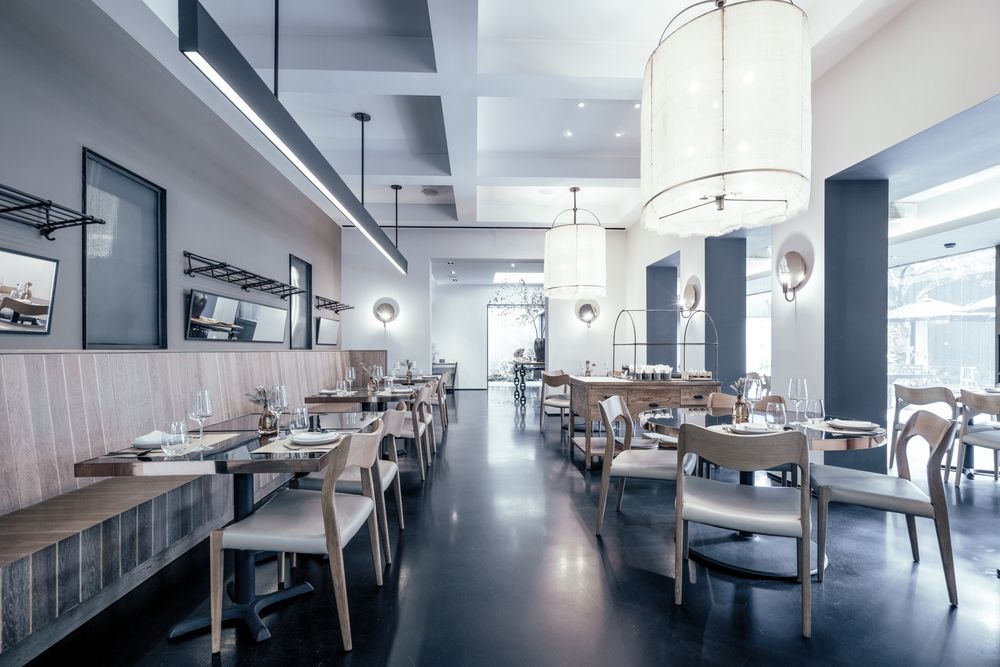
Owning and running a restaurant involves many financial responsibilities, with insurance costs often representing a significant portion of a restaurant owner’s expenses. Restaurant insurance is essential, as it protects against a wide range of risks, from property damage to liability claims, employee injuries, and beyond. However, many restaurant owners face the burden of high insurance premiums, which can eat into their profit margins. The good news is that smart restaurant owners have found several ways to reduce their insurance costs significantly. These strategies are not just about cutting corners but are intelligent, informed decisions that help restaurant owners maintain the right level of coverage while lowering their premiums. This blog post will explore the various strategies that savvy restaurant owners are using to cut insurance costs overnight.
Understanding the Factors Affecting Restaurant Insurance Costs
Before diving into the strategies for slashing insurance costs, it’s essential to understand the key factors that influence insurance premiums for restaurants. These factors include:
- Size of the Restaurant: Larger restaurants typically have higher insurance premiums, as they tend to face more risks related to property damage, employee injuries, and customer claims. Smaller restaurants, on the other hand, usually face lower premiums.
- Location: The location of the restaurant can significantly affect insurance premiums. Restaurants located in areas prone to natural disasters, crime, or accidents may face higher rates due to the increased risk.
- Type of Insurance: Different types of insurance cover different risks. For example, general liability insurance is crucial for restaurants to protect against customer injuries or property damage, while workers’ compensation insurance is vital to cover employee injuries. The more types of insurance a restaurant needs, the higher the premiums.
- Claims History: A restaurant’s history of insurance claims is a major factor in determining premiums. If a restaurant has filed multiple claims in the past, insurance companies may increase premiums to cover the perceived higher risk.
- Risk Management Practices: Restaurants with robust risk management practices, such as regular employee training, safety protocols, and maintenance schedules, are likely to pay lower premiums.
Now that we understand the factors that influence insurance costs, let’s explore how smart restaurant owners are using these factors to their advantage to lower their premiums.
1. Regularly Review and Shop for New Insurance Providers
One of the easiest ways to reduce insurance costs is to regularly review your insurance policies and shop around for new providers. Many restaurant owners fail to revisit their insurance policies annually, assuming that their existing insurer is offering the best deal. However, insurance rates can fluctuate over time, and new insurers may offer better coverage at lower prices. By comparing quotes from multiple providers, restaurant owners can ensure they are getting the most competitive rates.
It’s also important to evaluate the coverage options offered by different insurers. Sometimes, a lower premium may mean less coverage, which could end up costing more in the long run if an incident occurs. Finding a balance between affordability and comprehensive coverage is key to keeping insurance costs under control.
2. Bundle Insurance Policies for Discounts
Many restaurant owners are unaware of the savings they can achieve by bundling multiple insurance policies with the same provider. Insurance companies often offer significant discounts when you combine policies like general liability, property insurance, workers’ compensation, and business interruption coverage into a single package. This not only simplifies managing multiple policies but also reduces the overall cost.
Smart restaurant owners bundle their insurance policies to streamline their coverage and save money. This is especially beneficial for small and medium-sized restaurants, as bundling can provide a comprehensive safety net at a fraction of the cost of purchasing individual policies.
3. Invest in Employee Safety and Training Programs
Workers’ compensation insurance is one of the most significant expenses for restaurant owners. The cost of this insurance is directly linked to the number and severity of workplace injuries, so minimizing employee injuries is a smart way to reduce premiums. One of the best ways to achieve this is by investing in comprehensive employee safety training and programs.
Training employees on proper lifting techniques, kitchen safety, fire prevention, and first aid can significantly reduce the likelihood of accidents. A restaurant with fewer worker injuries is considered lower risk by insurers, and in turn, the insurance premiums will reflect this. Additionally, some insurers offer discounts to businesses with well-established safety programs.
4. Implement Comprehensive Security Systems
Another strategy that savvy restaurant owners use to slash insurance costs is by implementing state-of-the-art security systems. Insurance companies consider the risk of theft, vandalism, and other criminal activities when determining premiums. Restaurants with robust security measures in place, such as surveillance cameras, alarm systems, and security guards, are perceived as less risky and are often rewarded with lower premiums.
Additionally, installing fire alarms, sprinkler systems, and other fire prevention tools can significantly reduce the risk of fire-related damage. Many insurance providers offer discounts to restaurants that take proactive steps to protect their property and employees from damage or loss.
5. Choose a Higher Deductible
One of the simplest ways to lower insurance premiums is to increase your deductible. The deductible is the amount a restaurant owner has to pay out of pocket before the insurance coverage kicks in. By choosing a higher deductible, restaurant owners can reduce their monthly or annual premiums.
However, this strategy should be used with caution. While higher deductibles can reduce premiums, they also mean that restaurant owners will have to pay more out of pocket in the event of a claim. It’s important to strike a balance between a deductible that is high enough to lower premiums but not so high that it becomes a financial burden in the event of a loss.
6. Keep a Clean Claims History
A restaurant’s claims history is one of the most significant factors affecting its insurance premiums. Restaurants with a history of frequent claims are considered higher risk, and insurers will typically increase premiums to cover the potential for future claims.
To keep insurance costs low, restaurant owners should focus on maintaining a clean claims history. This means taking steps to prevent accidents and incidents that could lead to claims, such as regular maintenance of equipment, keeping the premises clean and well-maintained, and providing safety training to employees.
If a restaurant has a history of claims, it’s important to address the underlying issues that led to those claims, whether it’s poor employee training, inadequate maintenance, or lack of safety protocols. By proactively managing risks, restaurant owners can improve their claims history and, in turn, lower their insurance premiums.
7. Reduce Coverage for Unnecessary Risks
Many restaurant owners pay for insurance coverage that they don’t necessarily need. For example, if a restaurant doesn’t have valuable equipment or property, it may not require comprehensive property insurance coverage. Similarly, if the restaurant operates in a low-risk area, it might not need certain types of coverage, such as flood insurance.
Smart restaurant owners regularly assess their coverage needs and adjust their policies accordingly. If a particular type of coverage is no longer necessary, reducing or eliminating that coverage can lead to significant savings on insurance premiums. However, it’s important to be cautious when reducing coverage to avoid leaving the restaurant exposed to unnecessary risks.
8. Maintain a Strong Credit Score
In some cases, insurance companies consider the credit history of a business when determining premiums. A poor credit score can signal financial instability, and insurers may increase premiums as a result. On the other hand, a strong credit score can indicate that a business is financially responsible and low risk, leading to lower insurance costs.
Restaurant owners should make efforts to maintain a healthy credit score by paying bills on time, managing debt responsibly, and regularly reviewing their credit reports. Maintaining a good credit score can have long-term benefits, including lower insurance premiums.
9. Review Insurance Coverage Regularly
The needs of a restaurant can change over time. As the business grows or evolves, so too should the insurance coverage. For example, if a restaurant expands to include outdoor seating, the insurance policy may need to be updated to reflect the additional risk. Similarly, if the restaurant undergoes renovations or upgrades, the value of the property may change, and insurance coverage should be adjusted accordingly.
Regularly reviewing insurance policies and making updates as necessary can help restaurant owners avoid overpaying for coverage that no longer matches the needs of the business.
10. Work with an Experienced Insurance Broker
Finally, one of the smartest ways to lower insurance costs is to work with an experienced insurance broker. An insurance broker is a professional who can help restaurant owners navigate the complexities of insurance policies and find the best coverage at the best price. Brokers have access to multiple insurance providers and can shop around for the most competitive rates. They can also provide valuable advice on coverage needs, risk management, and claims prevention.
By partnering with a knowledgeable broker, restaurant owners can ensure they are getting the most value for their insurance premiums and can avoid costly mistakes when choosing coverage.

Recent News
California Workers' Compensation Insurance for Butcher Shops: What You Need to Know

How to Find Affordable Workers Comp Insurance in California for Butcher Shops

Workers Comp Insurance for Butcher Shops in California: Costs, Coverage, and Benefits

Why Butcher Shops in California Need Workers' Compensation Insurance
Workers Comp Insurance California for Butcher Shops: A Complete Guide for Owners

Workers Comp Insurance California for Pet Kennels: Costs, Coverage, and Benefits

Why Workers Comp Insurance in California Is Essential for Pet Kennels

Workers Comp Insurance California for Pet Kennels: A Complete Guide for Kennel Owners

Workers Comp Insurance California: Protecting Condo Associations and Employees

Understanding Workers Comp Requirements for California Condo Associations