
Avoid These Hidden Costs in Your Machine Shop Comp Policy | WIMC
May 23, 2025
See How We're Different
or call us: 866-226-4436
Avoid These Hidden Costs in Your Machine Shop Comp Policy
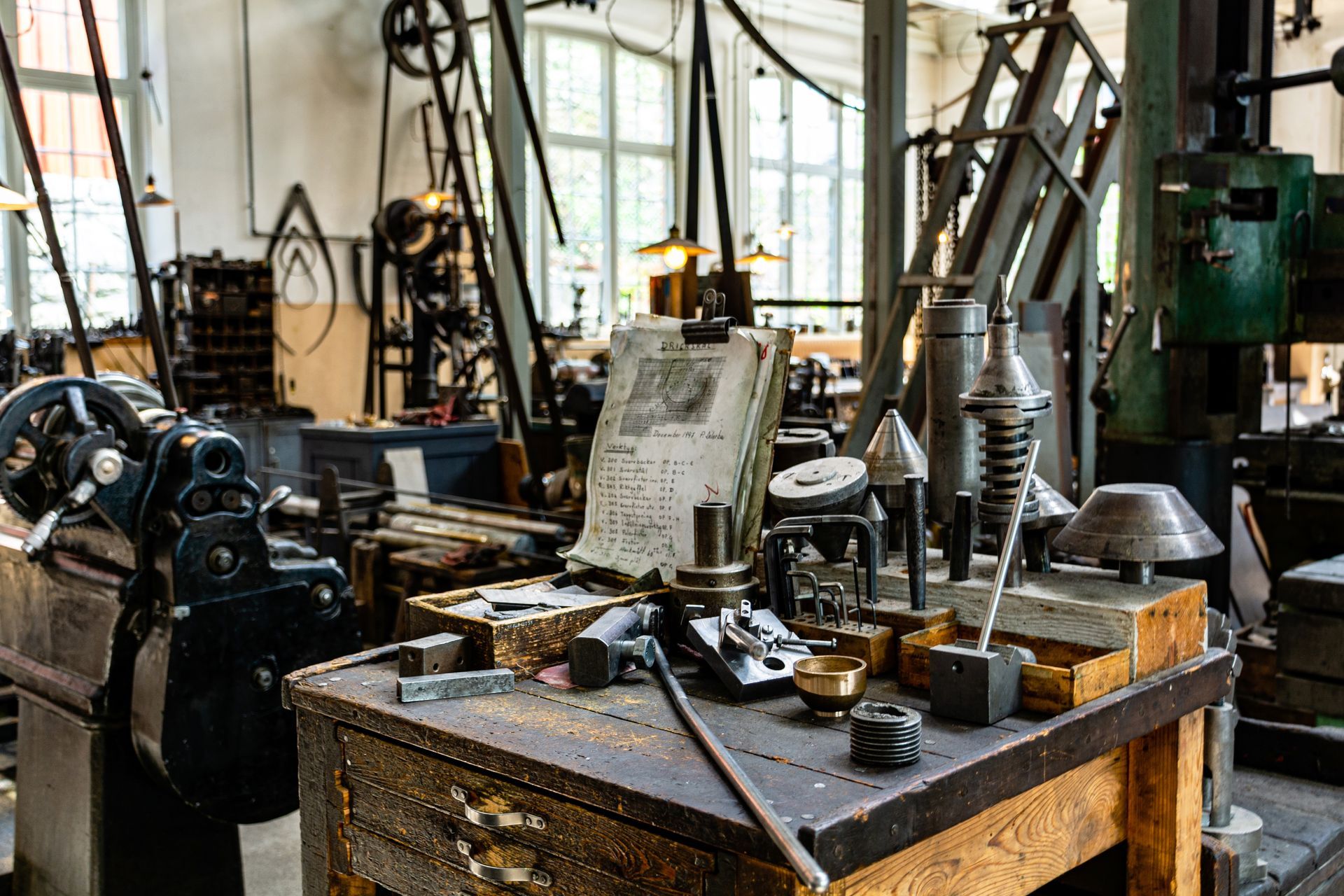
When you operate a machine shop, ensuring that your workers are protected by a robust workers' compensation (comp) policy is paramount. A workers' compensation policy serves as a safeguard for employees in the event of work-related injuries or illnesses, offering coverage for medical expenses, rehabilitation, lost wages, and in some cases, disability benefits. While these policies are essential, they can sometimes come with hidden costs that can affect the overall profitability of your machine shop. These costs, if not managed properly, can accumulate over time, causing your insurance premiums to spike and impacting your bottom line. In this detailed guide, we will explore these hidden costs and provide insights on how to avoid them.
Understanding the Basics of Workers' Compensation Insurance
Workers' compensation insurance is a critical component of any business, especially in industries like manufacturing and machining, where the risk of injury is higher. The basic premise of a workers' comp policy is simple: it provides financial support to employees who are injured on the job, without them needing to sue their employer. In exchange, employers are required to carry insurance that covers the costs of medical treatment, rehabilitation, and lost wages.
While the idea behind workers' compensation is straightforward, understanding how to manage and navigate the costs associated with it is much more complex. For machine shop owners, there are several factors that can lead to hidden costs that go unnoticed. These factors can range from incorrect classification codes to the failure to properly manage claims. If not addressed early, these issues can lead to unnecessary increases in premiums, ultimately affecting the overall financial health of the business.
Hidden Costs in Workers' Comp Policies
Incorrect Classification Codes
One of the most common hidden costs that can affect machine shops is the incorrect classification of employees. Insurance companies use classification codes to determine the level of risk associated with different types of jobs. These codes, which are assigned to businesses based on the work their employees do, have a direct impact on the cost of workers' compensation insurance. The more hazardous the job, the higher the premiums will be.
In the context of a machine shop, employees involved in high-risk activities, such as operating heavy machinery or working with hazardous materials, may be classified under a high-risk category. However, there are often instances where employees are misclassified. For example, someone who is working in a more administrative role may be incorrectly classified under a higher-risk category, leading to unnecessarily high premiums.
It is essential to regularly review and ensure that the classification codes assigned to your business are accurate. If the classification code is incorrect, it can result in inflated premiums that do not reflect the actual risk level of the job. To avoid this hidden cost, ensure that your insurance broker is well-versed in the nuances of your industry and can help accurately assess the risk levels of each employee role.
Lack of Effective Safety Programs
Machine shops inherently have more safety risks due to the nature of the work involved, but implementing a comprehensive safety program can significantly reduce workers' compensation costs. Insurance companies often offer discounts to businesses that have robust safety programs in place, as these programs reduce the likelihood of accidents and injuries. Failing to have an effective safety program can result in higher premiums, as insurance companies view your business as a higher risk.
Not only does a safety program reduce the risk of injury, but it also demonstrates to your insurer that you are committed to maintaining a safe working environment. This commitment can have a direct impact on your premiums, as insurance providers may offer you more favorable rates if you can show that you are actively working to reduce workplace hazards.
It is important to regularly review your safety protocols and ensure that they are up to date with industry standards. Providing regular training for your employees on safety practices can also help in mitigating risks. Even something as simple as ensuring that all equipment is properly maintained can have a significant impact on reducing accidents and, consequently, workers' compensation costs.
Poor Claims Management
The way claims are managed can significantly impact the costs associated with workers' compensation. Poor claims management can lead to long-term financial consequences for your machine shop. When an employee is injured, it is crucial that the claim is handled promptly and efficiently. Delays in processing claims, lack of communication with employees, or failure to provide necessary medical documentation can result in the claim dragging on, which in turn can lead to higher costs.
The longer a claim remains open, the higher the likelihood of increased medical costs, rehabilitation expenses, and potential legal fees. In addition, an unresolved claim can lead to higher premiums when it comes time for policy renewal. Insurance companies assess the number of claims and their severity when determining your premiums, so it is in your best interest to manage claims effectively and ensure they are resolved in a timely manner.
To avoid these hidden costs, it is important to have a clear and organized process for managing claims. Ensure that all employees know what steps to take if they are injured and make sure that claims are reported as soon as possible. Working with an experienced claims adjuster can also help expedite the process and minimize the impact on your bottom line.
Failure to Return Employees to Work Quickly
Another hidden cost that can significantly increase your workers' compensation costs is the failure to return injured employees to work quickly. Workers’ compensation policies often include benefits for lost wages, which can be a substantial cost for both the employee and the employer. The longer an employee remains off work, the higher the cost to the business, not only in terms of workers' comp benefits but also lost productivity.
Implementing a return-to-work program can help reduce these costs. A return-to-work program focuses on getting injured employees back to work as soon as possible, even if it means transitioning them to lighter duties temporarily. This approach can reduce the duration of wage loss benefits and help employees recover more quickly. Additionally, it can help your machine shop maintain a steady workflow, preventing disruptions caused by extended employee absences.
By offering modified duties, ensuring a safe work environment for injured employees, and maintaining open communication, you can reduce the amount of time an employee is away from the job, which can have a direct impact on your workers' compensation premiums.
Inadequate Employee Training
Inadequate employee training can also be a significant hidden cost when it comes to workers' compensation. Properly trained employees are less likely to be injured on the job, and reducing workplace accidents can result in lower premiums. On the other hand, inadequate training can lead to mistakes that cause accidents and injuries, ultimately increasing the likelihood of workers' compensation claims.
Machine shops, in particular, require employees to operate complex machinery, and improper use of equipment is one of the leading causes of workplace injuries. It is essential to provide comprehensive training for all employees, especially those working with machinery. Regularly reviewing and updating training programs ensures that employees are well-versed in safety protocols, machine operation, and emergency procedures.
Additionally, ensuring that employees are familiar with proper lifting techniques and ergonomics can help prevent strain injuries, which are common in machine shops. By investing in employee training, you not only reduce the risk of injury but also help to lower the hidden costs of workers' compensation claims.
Experience Modification Rate (EMR) Increases
The Experience Modification Rate (EMR) is a key factor in determining the cost of workers' compensation premiums. The EMR is a numerical rating that reflects your company’s past claim history compared to other businesses in your industry. A lower EMR means that your business has fewer or less severe claims and is, therefore, considered less risky to insure.
However, if your company has a high number of claims or large payouts, your EMR will increase, leading to higher premiums. This hidden cost can spiral out of control if claims are not managed effectively or if workplace safety is not prioritized. High EMRs can make it difficult to keep workers’ comp premiums affordable and competitive.
To manage your EMR and avoid the hidden costs associated with an increased rate, it is essential to monitor your claims history closely. Avoiding high-cost claims, reducing workplace accidents, and returning injured employees to work quickly can all help improve your EMR and lower premiums in the long run.

Recent News

Safeguard your assets! Discover what an equipment Save plan covers, its benefits, and how it compares to warranties and insurance.

You can get a workers' comp insurance Equipment in a few quick minutes with Thimble. The peace of mind knowing your employees and your business are protected.

We offers workers' compensation insurance for Education and Childcare in Westminster, CA. Explore insurance, equipment insurance and general liability.

In most states, workers' compensation insurance doesn't cover volunteers, and a company's general liability insurance may not either.

In most states, coverage is compulsory for employers with penalties for those who do not comply. However, for various historical and political.

Quick Steps to Secure Workers' Comp Insurance in Under 10 Minutes Speed ... Get the best workers' comp insurance for plumbers in under 10 minutes.

The Workers' Compensation for Daycare insurance Act entitles employees to receive prompt, effective medical treatment for on-the-job injuries no matter who is at fault.

One of the foundational elements in determining workers' compensation premiums is the classification code assigned to a business.

We offers workers' compensation insurance for Education and Childcare in Westminster, CA. Explore insurance, equipment insurance and general liability.

We offers workers' compensation insurance for Nanny in Westminster, CA. Explore insurance, equipment insurance and general liability insurance.